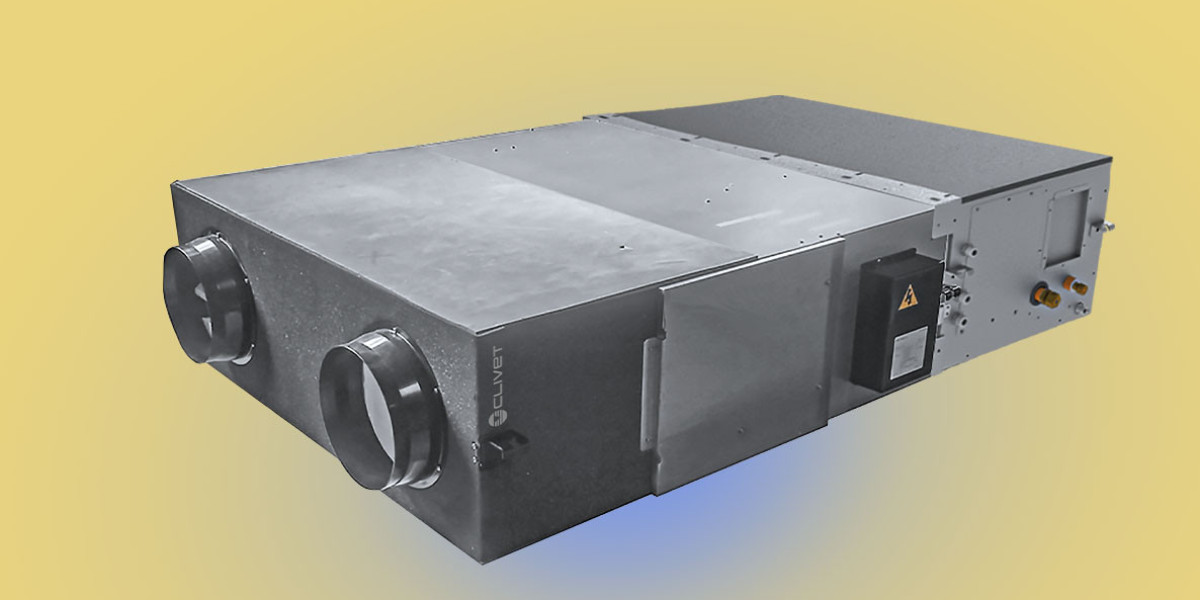

The increasing emphasis on energy efficiency and indoor air quality has brought advanced ventilation systems to the forefront of sustainable building design. Among these, a fresh air heat recovery unit stands out for its ability to reduce energy consumption while maintaining a steady flow of clean air. These systems utilise innovative heat exchange technology to recover thermal energy from exhaust air, repurposing it to preheat incoming fresh air. This process minimises energy waste and creates a healthier indoor environment. Their versatility and adaptability make them suitable for various applications, aligning with modern goals of efficiency, sustainability, and occupant well-being.
Understanding Fresh Air Heat-Recovery Units
Fresh air heat-recovery units are integral to creating energy-efficient and healthy indoor environments. These systems work by harnessing heat from outgoing air and transferring it to incoming fresh air, thereby reducing the need for additional heating. This energy-saving process occurs within the unit's heat exchanger, which operates without mixing the two air streams, ensuring that fresh air is supplied without contamination.
Beyond energy efficiency, these units help maintain consistent indoor temperatures, contributing to a comfortable living or working space. Their ability to improve indoor air quality by constantly introducing filtered fresh air while expelling stale air makes them an ideal choice for modern building designs.
The innovative technology behind these units allows them to function effectively across a range of climates, making them suitable for various applications. With the rising focus on sustainable living, fresh air heat-recovery units have become a cornerstone in achieving efficient ventilation and improving overall building performance.
Benefits of Sustainable Ventilation
Sustainable ventilation systems offer numerous benefits, addressing energy efficiency and promoting healthier indoor environments. By leveraging advanced technology, they ensure a consistent flow of fresh air while conserving energy through processes like heat recovery. These systems contribute to maintaining comfortable indoor temperatures, reducing the strain on heating and cooling equipment, which in turn lowers energy consumption and operational costs.
Additionally, sustainable ventilation plays a critical role in improving indoor air quality by continuously replacing stale air with filtered fresh air, which can help minimise allergens and pollutants within the building. This not only creates a healthier living or working space but also supports overall well-being.
From an environmental perspective, sustainable ventilation helps to lower carbon emissions by reducing the reliance on energy-intensive heating methods, aligning with eco-friendly building practices. Its ability to support efficient resource utilisation while enhancing indoor comfort makes sustainable ventilation a key component of modern architectural and environmental design strategies.
Core Components and Their Functions
Fresh air heat-recovery units rely on several essential components to function effectively. The heat exchanger plays a central role by facilitating the transfer of thermal energy between outgoing and incoming air streams, ensuring energy conservation without mixing the two. Fans are crucial for driving air movement through the system, maintaining a steady airflow for optimal operation.
Filters are another vital element, as they ensure that the incoming air is free of pollutants, dust, and allergens, contributing to healthier indoor environments. Sensors and control systems enhance the unit's functionality by allowing precise regulation of airflow rates and temperature adjustments based on the building's requirements. Insulation within the unit helps to minimise energy losses during operation, further improving efficiency. Some systems also include dampers that enable the control of air distribution to different areas.
How a Heat Exchange Ventilation System Improves Efficiency
A heat exchange ventilation system enhances energy efficiency by transferring thermal energy from outgoing to incoming air, reducing the need for additional heating or cooling. The core of this system is the heat exchanger, which operates by capturing heat from the warm exhaust air and using it to precondition the cooler incoming air. This process occurs without mixing the air streams, maintaining hygiene and air quality standards. By significantly reducing the energy required to adjust indoor temperatures, these systems lower operational costs and minimise environmental impact.
Furthermore, their ability to provide consistent ventilation supports optimal indoor comfort, ensuring that fresh air is continuously supplied while stale air is expelled. Heat-exchange ventilation systems are adaptable to various building designs and climates, making them a versatile choice for improving energy performance. Their role in reducing reliance on conventional heating methods aligns with modern sustainability objectives, making them an important component of eco-conscious construction and building management practices.
Applications in Modern Buildings
Fresh air heat-recovery units have become a vital component in modern building designs, particularly in addressing the demand for energy efficiency and enhanced indoor air quality. Their adaptability allows them to be incorporated into a wide range of structures, including residential properties, commercial spaces, and public facilities. In densely populated urban areas, where outdoor air quality can be a concern, these systems play a significant role by ensuring a consistent supply of filtered fresh air while reducing energy usage.
They are particularly effective in buildings designed with high energy performance in mind, as they integrate seamlessly with other ventilation and heating systems. In addition, their ability to regulate indoor temperature and maintain consistent air circulation makes them a practical choice for diverse climatic conditions. By supporting the objectives of sustainable construction and eco-conscious building management, these systems have become indispensable in creating environments that prioritise energy conservation, comfort, and the well-being of occupants.
The Value of Air Heat-Recovery
Air heat-recovery offers a highly efficient method of conserving energy within buildings by repurposing heat from exhaust air to precondition incoming fresh air. This process significantly reduces the workload on heating systems, resulting in lower energy usage and operational costs. By maintaining a balance between energy efficiency and indoor air quality, air heat recovery supports comfortable living and working environments.
Its application is particularly advantageous in regions with fluctuating temperatures, where managing indoor climate can be energy-intensive. Moreover, this technology contributes to sustainable building practices by minimising waste and reducing the carbon footprint of heating operations. Advanced air heat-recovery systems can seamlessly integrate with various heating, ventilation, and air conditioning (HVAC) setups, ensuring compatibility with diverse building designs.
As a practical and effective solution, it aligns with growing global demands for energy-efficient systems and environmental stewardship. Its role in supporting thermal comfort while conserving resources highlights its significance in modern construction and building management strategies.
Factors That Influence Performance
Several elements contribute to the performance of a fresh air heat-recovery unit, each playing a vital role in its efficiency and effectiveness. The design of the heat exchanger is crucial, as its ability to transfer thermal energy directly impacts energy savings. High-quality filters are essential for maintaining optimal air quality, preventing pollutants from entering the system and reducing strain on internal components. The integration of the unit with other heating, ventilation, and cooling systems ensures seamless operation and maximised functionality.
External conditions, such as temperature fluctuations and humidity levels, can also affect the system's performance, emphasising the importance of selecting a unit suitable for the specific climate. Proper insulation in the building helps to minimise energy losses, further enhancing the unit’s efficiency. Regular upkeep, such as cleaning and servicing, ensures that all components work as intended, preventing wear and tear that could compromise performance. A well-maintained system is critical for achieving consistent and reliable results.
Choosing the Right Fresh Air Heat Exchanger
Selecting a suitable fresh air heat exchanger involves assessing factors such as the building's ventilation demands, size, and layout to ensure compatibility and optimal performance. Evaluating the unit’s energy efficiency ratings is essential, as this impacts long-term operational savings and environmental impact. Attention should also be given to the materials used in the heat exchanger, as durable components contribute to system reliability and longevity.
The climate and specific ventilation needs of the property play a significant role in determining the most effective design. Integration with existing heating, ventilation, and air conditioning systems is another critical consideration to ensure seamless operation. Maintenance requirements, including filter accessibility and ease of cleaning, should also be assessed during selection. A comprehensive evaluation of these factors helps identify an efficient and reliable fresh air heat-exchanger tailored to the building's unique requirements.
Maintenance for Lasting Efficiency
Regular upkeep is essential to ensure the optimal functioning of fresh air heat-recovery units over time. Cleaning or replacing filters at appropriate intervals is necessary to maintain airflow and prevent contaminants from accumulating within the system. Inspecting the heat exchanger for any signs of damage or reduced performance is another important aspect of maintenance, as it directly affects energy efficiency.
Checking the operation of fans and other moving parts helps to identify potential wear or faults that could disrupt performance. Ensuring that seals and insulation are intact prevents unnecessary energy losses. Periodic servicing conducted by professionals allows for a thorough assessment of the system, ensuring all components operate as intended. By adhering to a scheduled maintenance plan, the system's lifespan can be extended, and its energy-saving benefits preserved, contributing to consistent indoor comfort and air quality over the years.
Environmental Advantages
Fresh air heat-recovery units contribute significantly to environmental sustainability by optimising energy use and minimising waste. These systems repurpose heat from outgoing air, reducing the demand for energy-intensive heating methods. This process lowers greenhouse gas emissions, supporting efforts to mitigate climate change. By promoting efficient energy use, they align with modern standards for eco-friendly building design and help conserve natural resources.
Their ability to integrate with other energy-saving technologies enhances their environmental impact, ensuring a comprehensive approach to sustainable building practices. Furthermore, these systems can reduce dependency on non-renewable energy sources, fostering a shift towards greener alternatives. The incorporation of such technologies in buildings supports long-term environmental goals by improving energy efficiency while maintaining indoor comfort. Their role in reducing energy waste highlights their importance in addressing global environmental challenges.
The Role of Residential Roof Ventilation Systems
Residential roof ventilation systems play a crucial role in maintaining a balanced and efficient airflow within buildings. By allowing air to circulate freely through roof spaces, these systems help to prevent the accumulation of excess heat and moisture, which can lead to structural degradation and mould growth over time. Effective roof ventilation contributes to regulating indoor temperatures, reducing the strain on heating and cooling systems.
When integrated with advanced ventilation technologies, such as heat-recovery units, they enhance overall energy efficiency by complementing the movement and conditioning of air throughout the property. They minimise the risk of condensation-related issues, ensuring a healthier and more durable living environment. The design and placement of roof ventilation systems are carefully tailored to meet the specific requirements of a building, supporting long-term functionality and improving indoor comfort across varying climates.
Conclusion
Fresh air heat-recovery units play a pivotal role in modern energy-efficient building designs by reducing heat loss and enhancing indoor air quality. These systems utilise advanced heat exchange technology to optimise energy use, ensuring that thermal energy from exhaust air is repurposed effectively. Their integration into various residential and commercial settings supports environmental sustainability by decreasing reliance on conventional heating methods and lowering carbon emissions. Proper maintenance and careful selection of these units further enhance their functionality, making them a key element in achieving sustainable architectural practices.
FAQs
What does a fresh air heat recovery unit do?
A fresh air heat recovery unit facilitates energy-efficient ventilation by transferring heat from outgoing air to preheat incoming fresh air, reducing energy demand while maintaining air quality.
How does a heat-exchange ventilation system conserve energy?
The system conserves energy by capturing thermal energy from exhaust air through a heat exchanger, which then conditions the incoming air without mixing the two airflows.
What are the advantages of using air heat-recovery systems?
Air heat-recovery systems improve energy efficiency, reduce heating costs, and support better indoor air quality, contributing to both comfort and sustainability.
How are residential roof ventilation-systems related to heat recovery?
Residential roof ventilation-systems complement heat recovery by enhancing airflow, reducing heat build-up, and improving the overall efficiency of ventilation processes.
What role do filters play in these systems?
Filters ensure that incoming air is clean by trapping dust, allergens, and other contaminants, promoting a healthier indoor environment.
How is regular maintenance important for performance?
Scheduled maintenance ensures components operate efficiently, prolonging the system’s lifespan and preserving its energy-saving benefits.
Related Business Listings |