
Comprehensive Guide to Chemical Peels for Acne-Prone Skin in Riyadh
Managing acne-prone skin can often feel like an exhausting, never-ending cycle of breakouts, inflammation, and lingering post-blemish marks. For residents living in Riyadh, this daily skin challenge is further amplified by the local desert environment. The capital’s soaring year-round temperatures, intense ultraviolet radiation, and dry atmospheric conditions—combined with constant indoor air conditioning and urban humidity—can cause the skin to overproduce sebum. When excess oil mixes with trapped dead skin cells and environmental debris, hair follicles become clogged, paving the way for persistent acne flare-ups.
Chemical Peels in Riyadh are a popular skin rejuvenation treatment that helps improve skin texture, reduce acne scars, minimize pigmentation, and reveal a brighter, smoother complexion with minimal downtime.
While countless over-the-counter washes and spot treatments promise clear skin, they often only address surface-level symptoms. For those seeking lasting, transformative results, professional clinical treatments are essential. Among the most effective dermatological solutions available across Riyadh’s premier aesthetic clinics are chemical peels. This detailed guide explores how chemical peels specifically target acne-prone skin, the best acid formulations for clearing congestion, what to expect during your clinical procedure, and how to maintain a clear complexion in the local climate.
Understanding Acne and Why Chemical Peels Work
Acne is a multi-factorial skin condition driven by four primary physiological factors:
Excess Sebum Production: Overactive sebaceous glands flood the pores with oil.
Abnormal Cellular Shedding (Hyperkeratinization): Dead skin cells fail to shed properly, clumping together inside the pore lining.
Bacterial Proliferation: Cutibacterium acnes (C. acnes) bacteria multiply rapidly within the oxygen-deprived, oil-clogged environment of the follicle.
Inflammation: The immune system responds to bacterial overgrowth, resulting in red, painful papules, pustules, and deep cystic lesions.
Standard home products often struggle to penetrate deep inside the pore. Chemical peels provide controlled, pharmaceutical-grade exfoliation that cuts through surface blockages, resets cellular turnover, and clears out stubborn congestion from the inside out. Furthermore, professional peels significantly reduce post-inflammatory hyperpigmentation—the stubborn dark marks that acne leaves behind.
The Best Chemical Peel Acids for Acne-Prone Skin
Dermatologists in Riyadh customize treatments based on your specific acne severity, skin type, and scarring patterns. Certain chemical families are exceptionally suited for clearing blemish-prone complexions:
1. Beta-Hydroxy Acids (BHAs) – Specifically Salicylic Acid
How It Works: Salicylic acid is lipophilic, meaning it has a unique chemical affinity for oil. Unlike water-soluble acids, it can bypass surface sebum and dive deep inside oil-clogged pores.
Acne-Fighting Benefits: Once inside the follicle, salicylic acid dissolves trapped sebum and dead skin cells, effectively clearing out blackheads and whiteheads. It also possesses powerful anti-inflammatory properties that rapidly calm active red breakouts and prevent new ones from forming.
2. Alpha-Hydroxy Acids (AHAs) – Glycolic and Lactic Acid
How It Works: Water-soluble AHAs exfoliate the outermost surface of the skin, accelerating overall cellular turnover.
Acne-Fighting Benefits: Glycolic and lactic acid peels smooth out rough skin textures, fade stubborn dark spots left behind by past breakouts, and gently resurface shallow atrophic acne scars. They prepare the skin by removing dead cell buildup, allowing clarifying agents to work more efficiently.
3. Jessner’s Solution and Specialized Combination Peels
How It Works: Jessner’s solution is a classic clinical blend typically combining resorcinol, lactic acid, and salicylic acid in an ethanol base.
Acne-Fighting Benefits: This powerful combination provides multi-depth action. It aggressively tackles cystic breakouts, reduces excess oil production, and aggressively clears severe acne congestion.
What to Expect During Your Clinical Procedure in Riyadh
Undergoing a chemical peel for acne-prone skin at a professional dermatology clinic in Riyadh involves a structured, medical-grade protocol designed to maximize clearing while ensuring skin safety:
Initial Dermatological Consultation: A licensed specialist evaluates your skin type, assesses whether your acne is inflammatory or comedonal, and reviews your medical history to rule out contraindications.
Thorough Cleansing and Degreasing: The skin is meticulously cleansed to strip away surface oils, makeup, and microscopic impurities. A specialized prep solution ensures uniform absorption of the active acids.
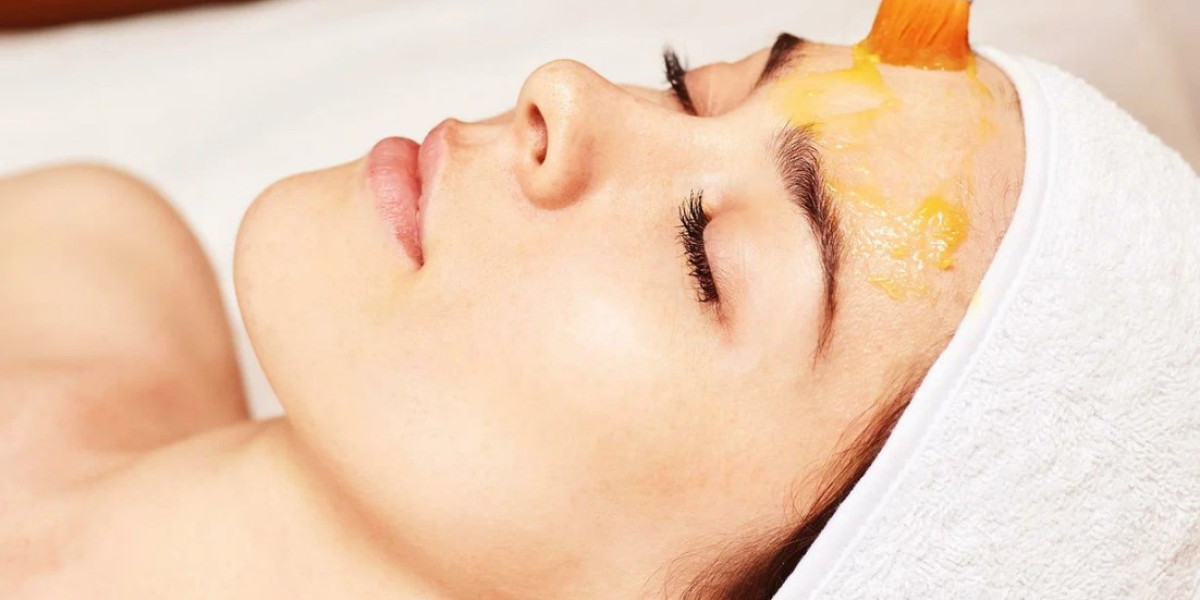
Controlled Acid Application: The practitioner expertly paints the customized BHA, AHA, or blended solution across the treatment zones. Patients typically experience an immediate warm, tingling, or prickling sensation, which is comfortably managed with handheld cooling fans.
Neutralization and Post-Peel Soothing: The peel is either self-neutralizing or halted with a specialized neutralizing solution. To comfort the skin, the clinic applies a calming, medical-grade mask infused with anti-inflammatory and hydrating ingredients, followed by a protective mineral sunscreen if performed during daylight hours.
The Recovery Timeline and Managing Riyadh’s Climate
The success of a chemical peel for acne-prone skin relies heavily on how well you care for your skin during the post-treatment recovery window, particularly given the demanding environmental conditions in Riyadh:
The Initial Healing Window (Days 1 to 4): Immediately post-peel, your skin will feel exceptionally clean and tight, though a mild sunburn-like flush may occur. As cellular turnover accelerates, light flaking may develop, particularly around areas of past congestion. Never pick, pull, or squeeze flaking skin or blemishes, as premature removal can cause permanent scarring or severe post-inflammatory hyperpigmentation.
Strict Sun Protection (The Golden Rule): Riyadh’s intense ultraviolet index can easily compromise fresh skin cells and trigger severe hyperpigmentation on vulnerable, healing acne spots. Applying a high-performance, broad-spectrum mineral sunscreen (SPF 50 or higher) every single morning—and reapplying consistently throughout the day—is absolute mandatory.
Gentle Skincare Routine: Keep your home regimen minimalist during recovery. Use ultra-gentle, fragrance-free cleansers and lightweight, non-comedogenic moisturizers that hydrate without clogging your newly cleared pores. Pause all home retinoids, physical scrubs, and active acne treatments until your dermatologist confirms your skin barrier has fully recovered.
By choosing qualified professional care, utilizing targeted acid formulations like salicylic acid, and committing to diligent post-treatment care, individuals in Riyadh can successfully clear active breakouts, fade dark marks, and achieve a smooth, refined, and flawlessly polished complexion.