
Mosquitoes are among the most common and troublesome insects in the world. While their bites can be irritating, the greater concern is their ability to spread dangerous diseases such as malaria, dengue fever, chikungunya, Zika virus, yellow fever, and West Nile virus. Every year, millions of people are affected by mosquito-borne illnesses, making mosquito control an essential part of public health and environmental management.
Mosquito control involves reducing mosquito populations and preventing mosquito bites through a combination of environmental management, biological control, chemical treatments, and personal protective measures. Effective mosquito control requires the cooperation of governments, communities, and individuals. By understanding mosquito behavior and implementing sustainable control strategies, it is possible to reduce disease transmission and improve quality of life.
This article explores the importance of mosquito control, mosquito life cycles, common control methods, challenges, and best practices for creating a safer and healthier environment.
Understanding the Mosquito Life Cycle
To control mosquitoes effectively, it is important to understand their life cycle. Mosquitoes pass through four stages:
1. Egg Stage
Female mosquitoes lay eggs in or near stagnant water. Depending on the species, eggs may hatch within 24 to 48 hours if conditions are favorable.
2. Larva Stage
After hatching, mosquito larvae live in water and feed on microorganisms and organic matter. They come to the surface frequently to breathe. This stage usually lasts between four and fourteen days.
3. Pupa Stage
The pupa is a non-feeding stage during which the mosquito develops into an adult. This stage typically lasts two to three days.
4. Adult Stage
Adult mosquitoes emerge from the water and begin flying shortly afterward. Female mosquitoes require blood meals to produce eggs, while male mosquitoes feed mainly on plant nectar.
Since mosquitoes depend on water for reproduction, eliminating standing water is one of the most effective methods of mosquito control.
Why Mosquito Control Is Important
Mosquito control is essential for several reasons:
- Prevents the spread of life-threatening diseases.
- Reduces healthcare costs associated with mosquito-borne illnesses.
- Improves public comfort and outdoor recreation.
- Protects livestock and pets from mosquito-transmitted diseases.
- Supports tourism and local economies.
- Enhances overall community health and well-being.
Without proper mosquito management, outbreaks of infectious diseases can spread rapidly, especially in tropical and subtropical regions.
Common Mosquito-Borne Diseases
Mosquitoes transmit many serious diseases that affect millions of people every year.
Malaria
Malaria is caused by parasites transmitted through the bites of infected Anopheles mosquitoes. Symptoms include fever, chills, fatigue, headache, and body aches. If left untreated, malaria can become life-threatening.
Dengue Fever
Dengue is spread primarily by Aedes aegypti mosquitoes. It causes high fever, severe headaches, joint pain, muscle pain, skin rash, and in severe cases, internal bleeding.
Zika Virus
Zika virus infection is usually mild but can cause severe birth defects if contracted during pregnancy. It is also transmitted by Aedes mosquitoes.
Chikungunya
This viral disease causes fever and severe joint pain that may persist for weeks or months.
West Nile Virus
West Nile virus is mainly transmitted by Culex mosquitoes. Most infected people experience mild symptoms, but severe neurological complications can occur in some cases.
Methods of Mosquito Control
Effective mosquito control combines several approaches rather than relying on a single method.
1. Environmental Management
Environmental management is considered the foundation of mosquito control because it removes mosquito breeding sites.
Key practices include:
- Emptying containers that collect rainwater.
- Cleaning roof gutters regularly.
- Covering water storage tanks.
- Draining puddles and stagnant water.
- Maintaining swimming pools.
- Improving drainage systems.
- Disposing of old tires, cans, and plastic containers.
Communities that eliminate breeding sites often experience significant reductions in mosquito populations.
2. Biological Control
Biological control uses natural predators and organisms to reduce mosquito populations.
Examples include:
- Fish species such as guppies and mosquito fish that eat mosquito larvae.
- Dragonflies, whose larvae feed on mosquito larvae.
- Certain bacteria like Bacillus thuringiensis israelensis (Bti), which specifically target mosquito larvae without harming humans or most wildlife.
Biological methods are environmentally friendly and suitable for long-term mosquito management.
3. Chemical Control
Chemical insecticides may be necessary during disease outbreaks or when mosquito populations become excessive.
Common methods include:
- Larvicides applied to water bodies.
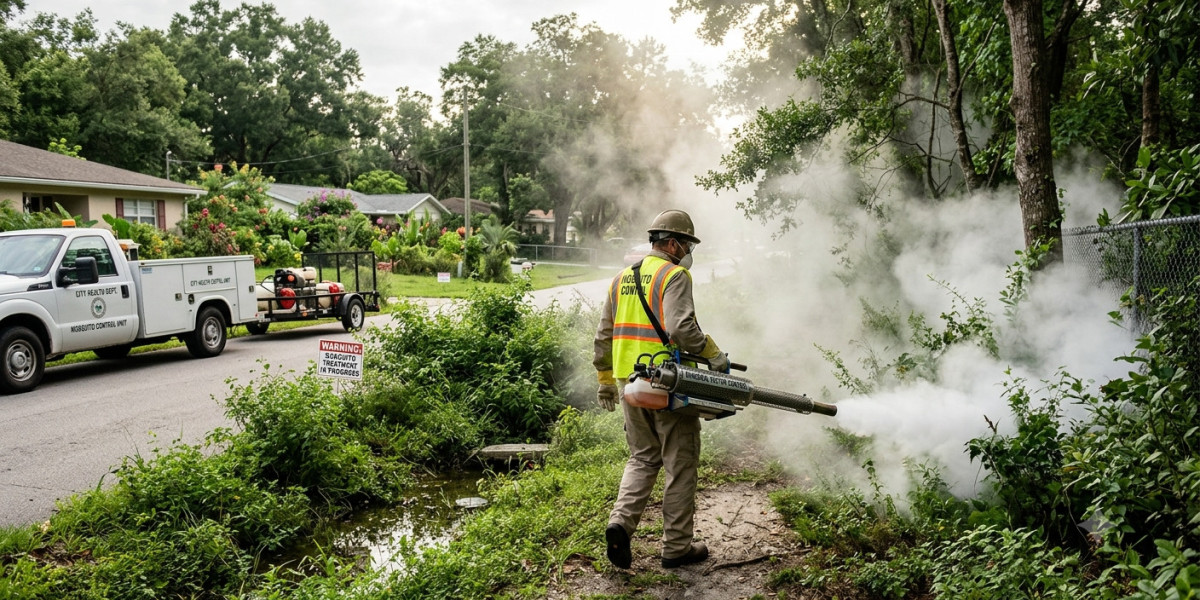
- Adulticides sprayed to kill adult mosquitoes.
- Indoor residual spraying on walls and surfaces.
- Space spraying during emergency situations.
Chemical control should always be used responsibly to reduce environmental impact and prevent insecticide resistance.
4. Personal Protection
Individuals can significantly reduce mosquito bites through simple preventive measures.
These include:
- Wearing long-sleeved shirts and long pants.
- Applying insect repellents containing approved active ingredients.
- Sleeping under insecticide-treated mosquito nets.
- Installing window and door screens.
- Using fans indoors, as mosquitoes are weak fliers.
- Avoiding outdoor activities during peak mosquito activity.
Personal protection is especially important in regions where mosquito-borne diseases are common.
Community-Based Mosquito Control
Mosquito control is most successful when entire communities participate.
Community activities may include:
- Public awareness campaigns.
- Neighborhood cleanup programs.
- Proper waste disposal.
- Monitoring mosquito breeding areas.
- Reporting standing water to local authorities.
- School education programs.
Local governments often organize mosquito surveillance and control operations, but public cooperation is essential for long-term success.
Integrated Mosquito Management (IMM)
Integrated Mosquito Management (IMM) is a comprehensive strategy that combines multiple mosquito control techniques.
The main components include:
- Monitoring mosquito populations.
- Identifying mosquito species.
- Eliminating breeding habitats.
- Using biological control agents.
- Applying pesticides only when necessary.
- Educating the public.
- Evaluating control program effectiveness.
IMM minimizes environmental damage while maximizing disease prevention.
Challenges in Mosquito Control
Despite advances in technology, mosquito control remains challenging.
Climate Change
Rising temperatures and changing rainfall patterns create favorable conditions for mosquito breeding in new regions.
Urbanization
Rapid urban growth often leads to poor drainage, overcrowding, and increased breeding sites.
Insecticide Resistance
Overuse of chemical insecticides has caused some mosquito populations to develop resistance, reducing treatment effectiveness.
Public Awareness
Many people underestimate the importance of eliminating standing water around their homes.
Limited Resources
Developing countries may lack sufficient funding, trained personnel, and equipment for effective mosquito control programs.
Modern Technologies in Mosquito Control
Technology is improving mosquito control efforts around the world.
Drones
Drones help identify breeding areas and spray larvicides in difficult-to-reach locations.
Geographic Information Systems (GIS)
GIS technology helps health agencies map mosquito populations and predict disease outbreaks.
Smart Mosquito Traps
Advanced traps monitor mosquito species and population density, allowing targeted interventions.
Genetic Control
Scientists are developing genetically modified mosquitoes designed to reduce mosquito populations or prevent disease transmission.
Artificial Intelligence
AI systems analyze environmental data to predict mosquito breeding hotspots and improve response planning.
Environmental Considerations
Mosquito control programs should protect ecosystems while reducing disease risk.
Best environmental practices include:
- Limiting unnecessary pesticide use.
- Protecting beneficial insects.
- Conserving natural wetlands.
- Using biological control whenever possible.
- Following environmental regulations during spraying operations.
Balancing public health and environmental protection ensures sustainable mosquito management.
Tips for Homeowners
Homeowners can play an important role in mosquito prevention.
Some practical tips include:
- Change birdbath water every few days.
- Keep grass and shrubs trimmed.
- Repair leaking outdoor faucets.
- Store buckets upside down.
- Cover rain barrels tightly.
- Remove standing water after rainfall.
- Install mosquito screens on windows.
- Keep outdoor areas clean and uncluttered.
Simple household practices can dramatically reduce mosquito breeding.
The Role of Governments
Government agencies are responsible for large-scale mosquito control programs.
Their responsibilities include:
- Disease surveillance.
- Public education campaigns.
- Mosquito monitoring.
- Emergency spraying during outbreaks.
- Research into new control technologies.
- Collaboration with health organizations.
- Environmental monitoring.
Strong government leadership helps prevent widespread disease outbreaks and protects public health.
Future of Mosquito Control
The future of mosquito control lies in combining scientific innovation with community participation. Researchers continue to develop safer insecticides, improved vaccines for mosquito-borne diseases, biological control agents, and genetic technologies that reduce mosquito populations. Increased international cooperation, climate monitoring, and early warning systems will also improve disease prevention.
Public education will remain a key component of mosquito control. When individuals understand how mosquitoes breed and spread disease, they are more likely to adopt preventive measures that benefit both themselves and their communities.