
Infrared heat forms a key part of the electromagnetic spectrum and serves numerous purposes across various domains. It is characterised by its ability to transfer energy in the form of heat, even in the absence of direct contact. This type of radiation is invisible to the human eye but can be detected as warmth on surfaces or objects. Its practical applications are wide-ranging, spanning sectors such as healthcare, technology, and industry. From facilitating temperature control in heating systems to enhancing diagnostic tools in medical fields, radiant heat provides valuable solutions. Its role in daily life is equally notable, contributing to energy-efficient heating and improved technological functionality. This phenomenon continues to shape modern advancements, underpinning processes that rely on its unique ability to efficiently transfer heat energy without requiring intermediate substances.
Understanding Infrared Heat
Infrared heat occupies a specific segment of the electromagnetic spectrum, positioned between visible light and microwave radiation. It is identified by its ability to generate thermal energy through the vibration of molecules upon absorption. This form of energy transfer does not require a medium, allowing it to occur in a vacuum, such as the transfer of heat from the sun to the Earth. Infrared radiation can be categorised into three main types: near, mid, and far infrared, each differing in wavelength and applications.
Near-infrared is commonly used in communication and imaging technologies, while far-infrared is more associated with heating applications. The thermal characteristics of infrared heat are harnessed in a wide range of fields, providing precise and efficient energy transfer. This versatility makes it an integral component in modern technologies and scientific advancements.
Infrared Heat in Daily Life
Infrared heat contributes significantly to a variety of everyday applications, particularly in providing practical and efficient heating solutions. Infrared heaters are commonly found in households, emitting radiation that is directly absorbed by objects and surfaces to generate warmth. This method of heat transfer reduces energy consumption, as it targets specific areas without warming the surrounding air extensively. Another widespread application is in motion-sensitive lighting systems, where infrared technology detects heat signatures to activate lights automatically.
Additionally, infrared heat plays an important role in health and wellness, with applications such as infrared saunas offering therapeutic benefits by penetrating the skin to promote relaxation and circulation. It is also utilised in technological devices like remote controls, where it facilitates seamless communication with electronic appliances, exemplifying its versatility and integration into modern-day conveniences.
Industrial Uses of Infrared Heat
Infrared heat is extensively applied in industrial processes due to its efficiency and precision in energy transfer. It is particularly effective in applications such as drying, curing, and heat treatment, where consistent and targeted heating is essential. In manufacturing, it enables the drying of inks and coatings, improving productivity by reducing processing times. The packaging industry benefits from its use in heat sealing, where infrared technology ensures accurate and reliable results. In glass and plastic production, infrared heat is utilised to soften and shape materials efficiently.
Its ability to provide uniform heat distribution also plays a crucial role in soldering and welding processes. Infrared systems often enhance energy efficiency in industrial environments, as they focus heat directly on specific materials or components, avoiding unnecessary energy loss and improving overall operational performance.
Infrared Heat in Healthcare
Infrared heat has established its importance within healthcare due to its applications in therapeutic treatments and diagnostic tools. In physical therapy, infrared heat is employed to ease muscular tension and improve tissue recovery by penetrating deeply into the skin, stimulating blood flow and reducing inflammation. This method supports natural healing processes, offering a non-invasive solution for various conditions. Furthermore, infrared thermography is widely utilised in medical diagnostics to detect subtle changes in body temperature.
This technique proves valuable in identifying abnormalities such as vascular issues, joint inflammation, or early signs of diseases by visualising temperature variations. The non-contact nature of infrared devices enhances their suitability for monitoring patients in sterile environments or during minimally invasive procedures. By integrating infrared heat into modern medical practices, healthcare providers have enhanced their ability to deliver precise, effective care.
Radiant Heat in Food Industry
Radiant heat plays a pivotal role in enhancing efficiency and precision within the food industry. Its application in cooking ensures even heat distribution, resulting in consistent cooking outcomes and retaining the natural flavours of food. In industrial food processing, infrared heat is utilised for drying and pasteurisation, allowing food products such as fruits, vegetables, and grains to be preserved without significant nutrient loss. This method supports extended shelf life while maintaining the quality of the products.
Infrared technology is also employed in baking, where it accelerates the cooking process and reduces energy consumption by targeting specific ingredients or layers. In addition, it aids in reducing microbial contamination during food preparation, ensuring higher safety standards. Its ability to deliver rapid and uniform heating makes it an invaluable tool across diverse applications in the culinary and food production sectors.
Infrared Heating Systems
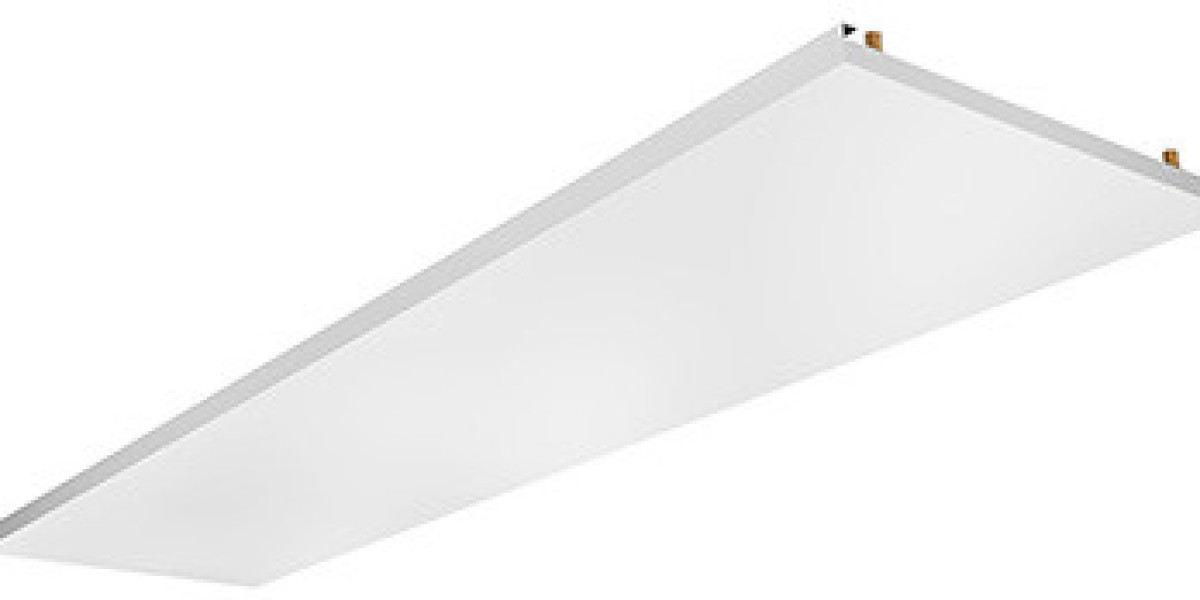
Infrared heating systems are designed to deliver direct warmth by emitting infrared radiation, which is absorbed by objects and surfaces within their range. This mechanism ensures efficient heat distribution, reducing energy waste and providing targeted heating solutions. Commonly used systems include radiant panel heaters, infrared fireplaces, and patio heaters, each catering to specific environments and requirements.
These systems are especially effective in areas where conventional methods may struggle, such as outdoor settings or larger spaces. By avoiding the need to heat the air, they minimise energy consumption while maintaining comfort. Infrared heating systems also operate quietly, making them suitable for various settings, from residential to commercial spaces, where energy efficiency and noise reduction are prioritised.
Environmental Impact of Infrared Heat
Infrared heat offers a sustainable approach to energy usage, aligning with efforts to reduce environmental impact. Its method of directly warming objects and surfaces, rather than the surrounding air, minimises energy waste and enhances efficiency. This targeted energy application lowers overall consumption, contributing to reduced greenhouse gas emissions. Infrared heating systems, which do not require ducts or fans, further support environmental benefits by limiting resource-intensive components.
Additionally, the absence of moving air in their operation decreases the need for ventilation and reduces heat loss, promoting further conservation of energy. These characteristics position infrared heat as an environmentally responsible choice, particularly in applications prioritising energy efficiency and sustainability across both residential and industrial settings.
Infrared Heat in Technology
Infrared heat has become integral in advancing technology, particularly in devices designed for precision and efficiency. Infrared sensors enable the accurate detection of motion, distance, and heat signatures, which are essential in automation and robotics. Thermal imaging devices utilise infrared radiation to capture heat-based visuals, aiding various fields such as security and maintenance.
Additionally, communication systems often rely on infrared technology for transmitting data wirelessly over short distances. Infrared heat is also pivotal in materials testing, as it allows for the non-destructive examination of structural integrity through thermal analysis. The increasing incorporation of infrared heat in technological developments highlights its adaptability and utility in creating innovative solutions across a multitude of applications, driving progress across industries.
Infrared Heat Safety Considerations
When employing infrared heat in various applications, adhering to safety measures is vital to avoid potential hazards. Ensuring proper ventilation in enclosed spaces is important to maintain air quality, especially when utilising high-powered infrared devices. Protective barriers may be implemented in industrial environments to limit direct exposure to intense infrared radiation, safeguarding both operators and equipment.
In healthcare and therapeutic settings, regulated usage and monitoring are essential to prevent overexposure that might lead to discomfort or minor burns. Routine inspections and maintenance of infrared systems help ensure optimal performance and safe operation.
By following established guidelines, the benefits of infrared heat can be effectively harnessed while minimising associated risks across different settings and purposes.
Infrared Heat in Art and Culture
Infrared heat has become a crucial tool in the analysis and preservation of historical and artistic works. Infrared reflectography allows conservators to uncover hidden layers beneath the visible surface of paintings, such as preparatory sketches or earlier compositions. This non-invasive technique provides valuable insights into the creative processes of historical artists, aiding in research and documentation.
Infrared technology is also applied in the detection of structural damage, moisture intrusion, or deterioration in artworks and cultural artefacts, enabling timely intervention to prevent further degradation. The precision and versatility of infrared heat make it indispensable in preserving artistic and cultural heritage, ensuring that these significant pieces remain intact and accessible for study and appreciation by future generations.
Future of Infrared Heat
The future of infrared heat is set to benefit from advancements in nanotechnology and smart materials, enabling more precise and adaptable systems for diverse applications. Research into energy storage and transfer mechanisms is likely to enhance the efficiency of infrared-based devices, especially in energy-intensive industries. Emerging integration with artificial intelligence may further optimise its functionality in areas such as automated systems and diagnostics.
Infrared technology is also poised to contribute to sustainable solutions by improving energy conservation methods. As innovation progresses, its role in shaping technological and environmental advancements is expected to grow, driving new opportunities across multiple sectors.
Conclusion
Radiant heat represents a versatile and energy-efficient thermal technology that continues to transform modern industrial, medical, and domestic applications across Australia. By directly warming objects and surfaces rather than ambient air, it maximizes operational energy efficiency while providing targeted heat transfer without thermal loss. From healthcare diagnostics and therapeutic physical treatments to sustainable home heating systems and advanced manufacturing, infrared radiation offers unparalleled precision and safety. Embracing ongoing technological advancements in smart controls and sustainable materials ensures infrared heating remains a critical component in building cleaner, more efficient, and environmentally friendly heating infrastructure into the future.
FAQs
How does radiant heat differ from conventional heating methods?
Conventional heating systems rely on convection to warm the surrounding air, which can lead to thermal loss through drafts. Radiant heat operates through direct radiation, transferring electromagnetic energy directly to solid objects, people, and surfaces. This direct transfer ensures rapid, even warmth, lower operational energy consumption, and superior overall energy efficiency across Australian residential and commercial environments.
Is infrared heat safe for human health and daily exposure?
Yes, infrared heat is completely safe and non-toxic for daily human exposure. Unlike ultraviolet radiation, infrared radiation does not cause cellular damage or sunburn. Instead, far-infrared wavelengths penetrate gentle thermal energy beneath the skin surface, stimulating blood circulation, reducing muscle tension, relieving joint stiffness, and supporting natural recovery processes in therapeutic healthcare settings.
Can infrared heating systems help reduce household energy bills?
Yes, infrared heating systems significantly lower household electricity bills compared to standard electric resistance heaters. Because they heat objects directly rather than warming large volumes of air, less power is wasted through draughts or ceiling accumulation. This targeted energy delivery allows households across Australia to maintain comfortable room temperatures using considerably lower overall wattage.
Where is infrared heat commonly applied in industrial manufacturing?
Industrial sectors utilise infrared heat for rapid, uniform thermal processing, including paint and ink drying, plastic thermoforming, and heat-sealing packaging materials. Its precise temperature control accelerates production cycles, reduces overall energy consumption, and improves quality standards during product manufacturing, material curing, and non-destructive structural integrity testing.
What maintenance is required for residential infrared heaters?
Residential infrared panel heaters require minimal ongoing maintenance because they operate without moving fans, drive belts, or air filters. Regular upkeep involves gently dusting unit surfaces to maintain optimal radiant heat distribution. Occasional professional checks of electrical connections ensure long-term operational safety, consistent thermal performance, and extended heating equipment lifespan.
Related Business Listings |