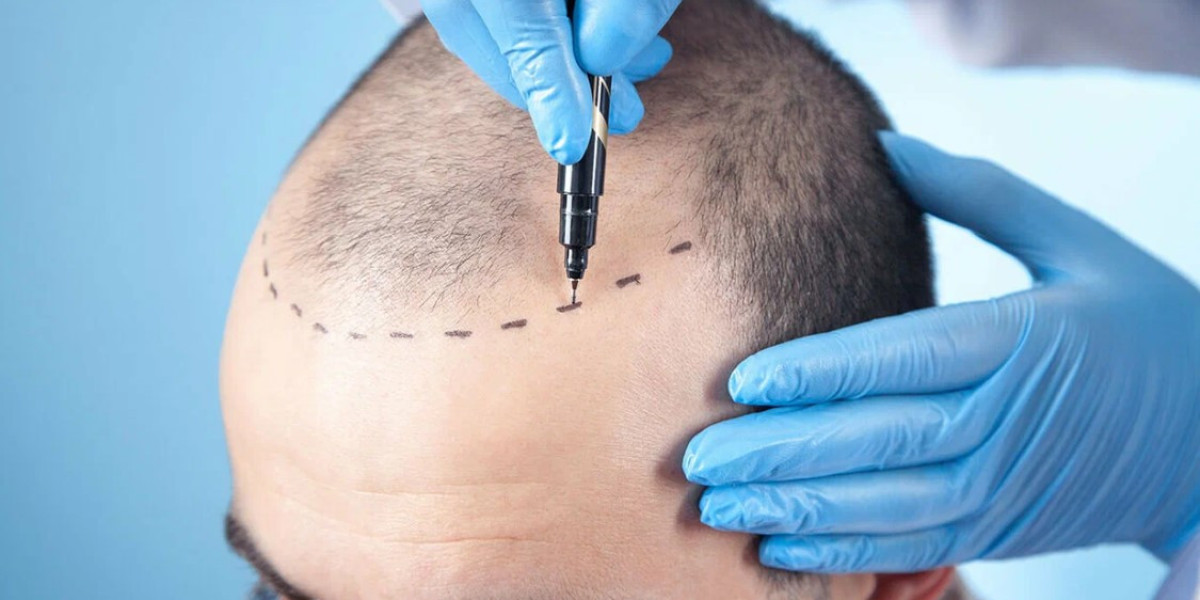

Comprehensive Guide to Hair Restoration in Buraydah
Making the decision to undergo a hair restoration procedure is a significant milestone that can reshape your personal confidence, self-image, and daily life. For residents across Buraydah and the wider Al-Qassim region, the availability of advanced cosmetic and dermatological clinics means you no longer need to travel internationally to access world-class medical care. Hair transplant in Buraydah offers an effective solution for restoring natural hair growth, helping individuals achieve fuller hair and renewed confidence with advanced treatment options.
However, before scheduling your surgical date, it is essential to look past marketing promises and understand the foundational medical realities of modern hair transplantation. This comprehensive guide breaks down everything you need to know—from clinical candidacy and surgical techniques to recovery milestones and long-term maintenance.
1. Evaluating Your Candidacy: Is a Hair Transplant Right for You?
The first and most crucial step in your hair restoration journey is determining whether you are a suitable candidate for surgery. Hair loss—clinically termed alopecia—can stem from various triggers, and not all forms respond well to surgical intervention.
CANDIDACY EVALUATION FRAMEWORK [ Androgenic Alopecia ] ──> Permanent donor roots available ──> Ideal Surgical Candidate [ Traction Alopecia ] ──> Localized hairline recession ──> Ideal Surgical Candidate [ Alopecia Areata ] ──> Active autoimmune flare-up ──> NOT Suitable (Medical First) [ Scarring Alopecia ] ──> Dormant scar tissue (1–2 yrs) ──> Case-by-Case EvaluationThe Role of Androgenic Alopecia
The vast majority of patients seeking treatment in Buraydah suffer from androgenic alopecia (male or female pattern baldness). This genetic condition is driven by sensitivity to dihydrotestosterone (DHT), a hormone that causes hair follicles on the temples, hairline, and crown to progressively miniaturize and shut down.
Crucially, hair follicles located at the back and lower sides of the head (the safe donor zone) possess a genetic immunity to DHT. A hair transplant works by relocating these permanent donor follicles to thinning or bald zones, where they retain their lifetime growth characteristics.
When Surgery Must Be Delayed
If your hair loss is caused by active autoimmune conditions (such as alopecia areata), acute nutritional deficiencies, or severe stress-induced shedding (telogen effluvium), surgery is generally contraindicated. Operating while an autoimmune flare-up is active risks having your immune system attack the newly transplanted grafts just as it did native hair. A thorough in-person trichoscopic examination by a certified local specialist in Buraydah is mandatory to rule out these conditions before proceeding.
2. Choosing the Right Surgical Technique: FUE vs. DHI
Once you are cleared for surgery, your next major decision involves selecting the extraction and implantation technique that aligns with your hair loss pattern and styling goals. Modern Buraydah clinics primarily utilize two advanced, minimally invasive methodologies.
Follicular Unit Extraction (FUE)
The Process: The surgeon utilizes a motorized or manual micro-punch tool (0.7mm to 1.0mm in diameter) to extract individual follicular units (containing 1 to 4 hairs each) directly from the donor area. The surgeon then manually inserts these grafts into microscopic slits (recipient channels) created in the balding zone using steel or sapphire blades.
Scarring: Leaves thousands of tiny, scattered circular pinpoint white dots that are easily hidden by surrounding hair, allowing for short hairstyles and fades.
Direct Hair Implantation (DHI)
The Process: While extraction mirrors traditional FUE, the implantation phase is entirely different. Extracted grafts are loaded directly into a hollow-needled pen-like device known as a Choi Implanter Pen. The surgeon inserts the pen and deploys the follicle in a single motion, offering extreme control over the precise angle, depth, and direction of each hair.
Precision: DHI is particularly advantageous for delicate hairline reconstruction or for inter-grafting—placing new hair safely between existing native hair shafts without damaging adjacent roots.
3. What to Expect on Surgery Day
A hair transplant is performed as a comfortable, single-day outpatient procedure. Understanding the sequential flow of surgery day helps alleviate pre-operative anxiety:
4. The Post-Operative Healing and Growth Timeline
A hair transplant is a biological process that unfolds gradually over many months. Impatience is common, but knowing what to expect during each stage provides vital peace of mind.
| Timeline Milestone | What Is Happening to the Scalp | Care & Practical Expectations |
| Days 1 to 14 | Grafts integrate and establish blood vessel connections. Scabs form and flake off. | Sleep elevated at 45°; perform gentle saline mists and foam washes; avoid heavy exertion. |
| Weeks 2 to 8 | Temporary Shock Loss: Transplanted hair shafts shed from the scalp. | Do not panic; this is a normal physiological reset. The living roots remain safe beneath the skin. |
| Months 3 to 5 | Dormant roots wake up and enter the active growth phase. | Fine, soft sprouts begin breaking through the scalp surface; minor pimples may appear. |
| Months 6 to 9 | Rapid density buildup and hair shaft caliber maturation. | Hair strands thicken in diameter; visual coverage increases significantly under indoor lighting. |
| Months 12 to 18 | Full Biological Maturity: Final density, texture blending, and permanent growth. | Complete styling freedom; permanent results established for a lifetime. |
5. Long-Term Maintenance and Lifestyle Support
While your newly transplanted donor hair is genetically immune to DHT and will last a lifetime, your non-transplanted native hair sitting directly behind the new hairline remains vulnerable to natural aging and progressive genetic thinning.
To prevent future gaps and maintain a dense, uniform appearance over the coming decades, long-term preservation is essential:
Medical Therapies: Many patients benefit from pairing their surgery with doctor-prescribed topical solutions or oral treatments designed to stabilize native hair loss and block localized DHT activity.
Regenerative Scalp Treatments: Periodic Platelet-Rich Plasma (PRP) sessions nourish both transplanted and native hair roots, boosting micro-blood circulation and maintaining optimal hair shaft thickness.
Protective Environmental Habits: The climate in Buraydah features strong ultraviolet radiation and arid heat during much of the year. Protecting your scalp from direct sunburn with breathable headwear and keeping well-hydrated supports overall skin and tissue health.
Strict Avoidance of Harmful Substances: Nicotine constricts blood vessels and starves healing scalp tissues of vital oxygen, while excessive alcohol acts as a blood thinner. Pausing smoking and drinking before and after surgery is vital for graft survival.
Summary
Choosing to undergo a hair transplant in Buraydah is an investment in your personal confidence and long-term appearance. By selecting a certified local specialist, understanding the nuances between FUE and DHI techniques, setting realistic expectations for the 12-month growth timeline, and committing to proactive post-operative care and long-term maintenance, you can achieve a permanent, natural head of hair that looks fantastic for decades to come.