
Introduction
Bringing a new pet into your home is a major decision, especially when you already have a feline claiming every cosy spot in the house as their personal turf. You want your pets to be best buddies, or at least tolerant roommates, but cats are notoriously particular about their personal space. Getting this right from the start is crucial because a stressful living environment can lead to expensive vet bills for stress-induced illnesses or the heartbreak of having to rehome a new pet. You need legit, trustworthy advice to ensure you are making a smart choice for your furry family without breaking the bank on behavioural trainers down the road.
If you are trying to figure out what animals do cats get along with, you have come to the right place. Creating a peaceful home requires understanding your current cat's personality, selecting the right companion, and managing the introduction phase with patience. It is totally possible to have a blended pet family that thrives together. Whether you are looking to rescue a laid-back dog, adopt another kitten, or even bring a small mammal into the mix, understanding the dynamics of feline friendships is the ultimate game-changer for a stress-free household.
Decoding Cat Social Behaviour in the Home
Before you can choose the right companion, you have to understand basic cat social behaviour. Unlike dogs, who are generally pack animals eager for social interaction, cats are solitary hunters by nature. However, domestic cats have evolved to form strong social bonds with humans and other animals when the conditions are right. A cat's willingness to accept a new roommate depends heavily on their early socialisation, past trauma, age, and natural temperament. If your cat was separated from its litter too early or has lived as an only pet for ten years, it is going to have a much harder time adjusting to a new animal than a confident, outgoing one-year-old cat would.
Understanding your cat's boundaries is the most cost-effective way to prevent disaster. Stress in cats often manifests as destructive behaviour, like scratching up your expensive living room furniture or urinating outside the litter box, which can ruin carpets and cost big bucks to clean or replace. By observing how your cat reacts to neighbourhood animals through the window or how they handle visitors in the house, you can gauge their tolerance levels. A cat that hides under the bed for hours when the doorbell rings might prefer to remain an only child, whereas a cat that confidently greets strangers at the door might just be ready for a permanent playmate.
The Truth About Cats and Dogs Compatibility
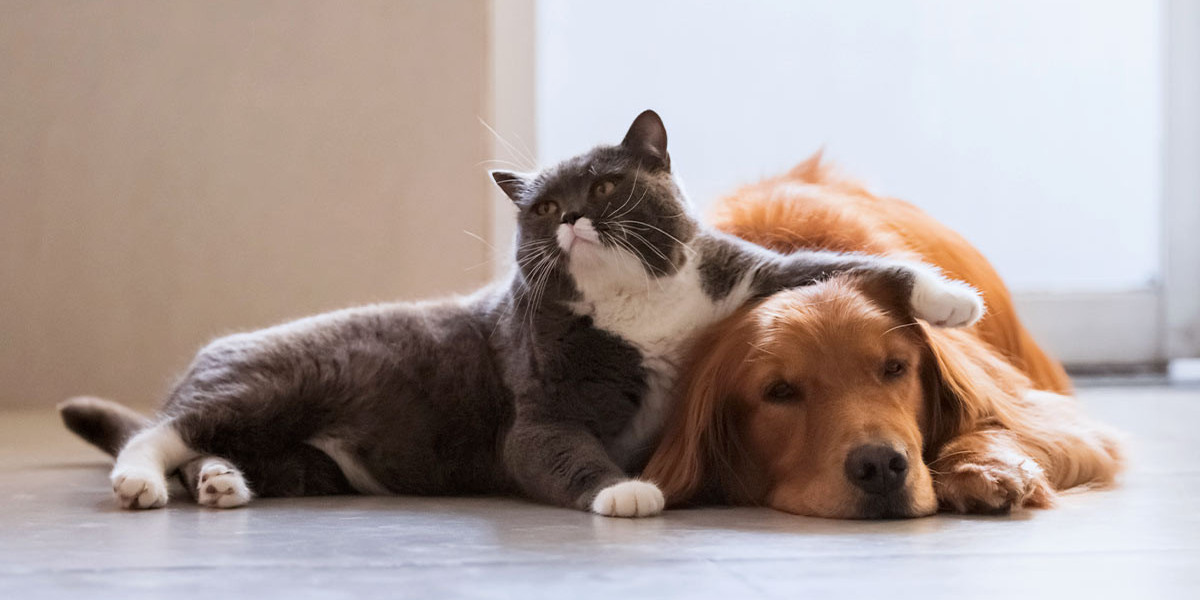
The idea that cats and dogs are sworn mortal enemies is mostly just a Hollywood myth. In reality, cats' and dogs' compatibility can be incredibly high, provided you pair the right personalities and handle the introductions properly. Many dogs possess a natural instinct to chase small, fast-moving objects, which can obviously be a major red flag if you have a skittish cat. The key is looking for dog breeds that are known for their gentle demeanour and low prey drive. Golden Retrievers, Basset Hounds, Pugs, and Beagles often make fantastic companions for felines because they are generally more interested in napping and hanging out than hunting.
If you are budget-conscious and looking to adopt a dog from a local shelter, which is a great way to save money on adoption fees, always ask the staff if the dog has been cat-tested. Many shelters run specific behaviour assessments to see how a dog reacts to a feline presence. You want a dog that shows mild curiosity or complete indifference, rather than intense fixation or lunging. On the flip side, your cat needs to have a confident enough vibe to stand their ground without immediately bolting, as running is what triggers a dog's chase instinct. When a confident cat meets a calm dog, they can form an incredibly tight bond, often sharing beds, grooming each other, and keeping each other company while you are at work.
Exploring Other Pets That Get Along With Cats
If a dog feels like too much work or too big of an expense, you might be looking at smaller pets that get along with cats. The most natural companion for a cat is, of course, another cat. Adopting a bonded pair of kittens or bringing in a younger cat of the opposite sex usually yields the highest success rate. Older resident cats tend to be more accepting of kittens because kittens are not seen as a territorial threat. However, you have to be mindful of the energy mismatch. A hyperactive kitten might annoy a senior cat, leading to swatting and hissing.
When it comes to other species, you have to tread very carefully due to the cat's predatory nature. Rabbits and ferrets can sometimes coexist beautifully with cats, primarily because they are large enough to not trigger the cat's immediate prey drive. In fact, many confident house rabbits will actually boss a cat around and claim the top spot in the household hierarchy. However, smaller rodents like hamsters, mice, and guinea pigs, as well as birds and fish, are generally seen as snacks rather than friends. If you choose to keep these types of animals in the same house, you must invest in highly secure, lockable enclosures. Cutting corners on cheap cages will eventually lead to a tragic accident, costing you both emotionally and financially.
Finding the Perfect Match for Your Feline
When planning to expand your furry family, you need to look at the big picture. When evaluating exactly what animals do cats get along with, it completely comes down to the individual temperament, energy levels, and history of both animals involved. There is no magic formula or specific species that is guaranteed to be a perfect match 100 percent of the time. A highly energetic, playful cat might thrive with a young, goofy dog, while a senior, arthritic cat might only tolerate a calm, older companion who spends most of the day sleeping on the couch.
This is where trusting your gut and leaning on professional resources becomes vital. Rescue organisations want these adoptions to stick just as much as you do, so they are usually very transparent about an animal's quirks and needs. Rushing an adoption just because a puppy or kitten is cute is a surefire way to end up overwhelmed. Take your time, ask the right questions, and prioritise personality compatibility over looks. By making an informed, careful decision, you protect your current pet's mental health and ensure your hard-earned money is spent on toys and treats rather than behavioural interventions.
Step-by-Step Guide for Introducing Cats to Other Animals
Once you have brought the new companion home, the real work begins. Introducing cats to other animals requires absolute patience and a strict protocol. Do not just put them in the same room and hope they work it out. That is a recipe for a massive fight and deep-seated trauma. The safest and most effective method is complete isolation followed by gradual desensitisation. When the new pet arrives, set them up in a dedicated room with their own food, water, and bedding. The resident cat should have free roam of the rest of the house. For the first few days, they should only interact through their sense of smell.
Scent swapping is a highly recommended technique that costs absolutely nothing but yields massive results. Take a blanket or towel that the new pet has slept on and place it near your resident cat's food bowl, and do the same in reverse. This creates a positive association between the smell of the stranger and the joy of eating. Once both animals are eating comfortably near the scented items without showing signs of stress, you can move to visual introductions using a baby gate. Let them see each other from a safe distance while tossing them high-value treats. If any hissing, growling, or lunging occurs, you have moved too fast and need to take a step back. The key is to keep these sessions short, positive, and strictly supervised.
Budget-Friendly Multi-Pet Household Tips
Managing a home with multiple species does not have to drain your wallet if you are strategic about your setup. One of the best multi-pet household tips is to manage your resources intelligently to prevent resource guarding, which is a major trigger for inter-pet aggression. You do not need to buy the most expensive automated feeding stations on the market to keep the peace. Simple adjustments, like feeding your cat on a high counter or a sturdy bookshelf where the dog cannot reach, completely eliminate the stress of stolen meals. This also saves you money because high-quality cat food is expensive, and you certainly do not want your dog inhaling it in three seconds flat.
Litter box management is another critical area. The golden rule is one litter box per cat, plus one extra. However, if you have a dog that likes to raid the litter box, you need a solution that works without buying a pricey self-cleaning unit. Using an inexpensive baby gate with a small cat door installed, or simply propping the door open just enough for the cat to slip through but narrow enough to block the dog, is a highly effective, low-cost fix. Additionally, brands like Pet Soul Care offer fantastic, budget-friendly guidance and products tailored to keeping pet environments clean and stress-free, ensuring your home remains a sanctuary rather than a battleground.
Creating a Safe and Harmonious Living Space
Beyond feeding and bathroom logistics, you have to think about how your pets navigate the physical space in your home. Cats feel most confident when they have vertical advantages. They need to know they have an escape route if they ever feel overwhelmed by a dog or another pet. You do not have to shell out hundreds of dollars for designer cat trees to achieve this. Installing simple, inexpensive floating shelves from a hardware store can create a feline superhighway across your living room, allowing your cat to traverse the room without ever touching the floor.
Providing this vertical territory drastically reduces anxiety and prevents territorial disputes. When your cat knows they can easily retreat to a high, safe spot to survey their kingdom, they are much more likely to be relaxed and tolerant of the other animals on the floor level. Make sure there are no dead ends in your furniture layout where a cat could feel cornered. Open pathways, separated sleeping zones, and equal distribution of your attention and affection will go a long way in maintaining a peaceful vibe. Consistency in your routine also builds trust, letting all your pets know that there are enough resources, love, and space to go around.
Conclusion
Building a blended pet family is an incredibly rewarding journey, but it definitely requires you to put in some upfront effort. By respecting your cat's unique personality and understanding their natural instincts, you can make an informed choice about their future companion. Taking the time to execute slow, scent-based introductions and optimising your home's layout with budget-friendly vertical spaces will set everyone up for success. You do not need an endless budget to create a harmonious home; you just need patience, consistency, and a solid game plan. Follow these guidelines, trust the process, and soon enough, you will be enjoying the wonderful chaos and deep bonds of a thriving multi-pet household.