
Losing a tooth can affect more than your appearance. Missing teeth may create problems with chewing, speaking, confidence, and long-term oral health. Fortunately, dental implants are one of the most trusted and advanced solutions for replacing missing teeth. They are durable, natural-looking, and designed to function like real teeth.
If you are considering treatment, here is everything you need to know about dental implants for missing teeth.
What Are Dental Implants?
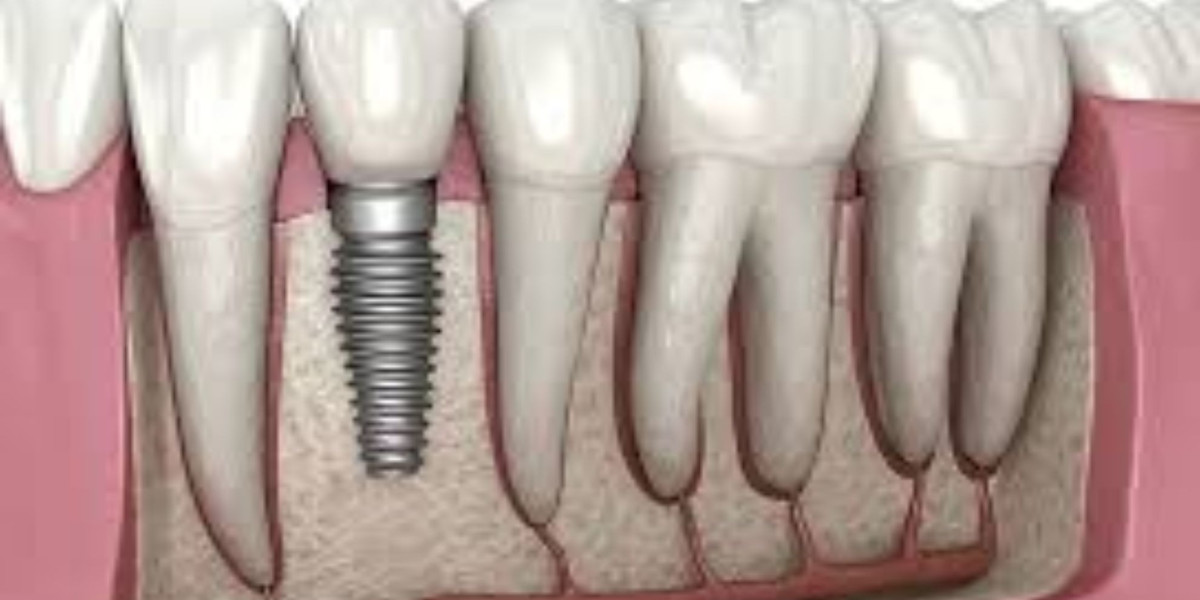
Dental implants are artificial tooth roots placed into the jawbone to support replacement teeth. They are usually made of titanium, a strong and biocompatible material that safely bonds with bone tissue.
A dental implant typically has three main parts:
- Implant Post – Surgically placed into the jawbone.
- Abutment – Connector that joins the implant to the crown.
- Crown – The visible tooth replacement designed to look natural.
Once complete, the implant feels stable and works similarly to a natural tooth.
Why Replace Missing Teeth?
Many people delay treatment after losing a tooth, but missing teeth can lead to several oral health issues over time:
- Difficulty chewing certain foods
- Shifting of nearby teeth
- Changes in bite alignment
- Jawbone loss
- Speech problems
- Lower confidence when smiling
Replacing missing teeth early can help prevent these complications.
Who Is a Good Candidate for Dental Implants?
Most healthy adults are potential candidates for dental implants. You may be a suitable candidate if you have:
- Healthy gums
- Adequate jawbone support
- Good oral hygiene habits
- No uncontrolled medical conditions
- Commitment to regular dental care
Even if bone loss has occurred, procedures such as bone grafting may allow implant treatment.
Types of Dental Implants for Missing Teeth
Single Tooth Implant
Used when one tooth is missing. A single implant supports one crown without affecting neighboring teeth.
Multiple Tooth Implants
Several implants can support a bridge when multiple teeth are missing.
Full Mouth Implants
For patients missing all teeth, implant-supported dentures or full-arch restorations provide a secure solution.
Dental Implant Procedure
The dental implant process usually happens in stages.
1. Consultation and Planning
Your dentist examines your mouth and may take X-rays or 3D scans to assess bone structure.
2. Tooth Removal (If Needed)
Any damaged tooth may need extraction before implant placement.
3. Implant Placement
The titanium implant is surgically inserted into the jawbone under local anesthesia.
4. Healing Period
The bone gradually fuses with the implant over several months in a process called osseointegration.
5. Final Restoration
After healing, the abutment and custom crown are attached.
Benefits of Dental Implants
Dental implants offer many advantages over traditional tooth replacement options.
Natural Appearance
Implants are custom-made to match surrounding teeth.
Strong and Stable
They stay securely in place without slipping.
Improved Chewing
Patients can enjoy a wider range of foods comfortably.
Bone Preservation
Implants stimulate the jawbone and help reduce bone loss.
Long-Lasting Solution
With proper care, implants can last for many years.
Better Confidence
A complete smile often improves self-esteem.
How Much Do Dental Implants Cost?
Dental implant cost depends on several factors:
- Number of implants needed
- Crown or bridge type
- Bone grafting requirements
- Clinic location
- Dentist experience
- Materials used
Although implants may cost more initially than dentures or bridges, they often provide better long-term value due to durability and lower maintenance needs.
Are Dental Implants Painful?
Most patients report that implant surgery is easier than expected. Local anesthesia is used during the procedure, so pain is minimized. Mild swelling or soreness afterward is common and usually manageable with medication and rest.
Recovery After Dental Implants
Healing times vary by patient, but these tips help recovery:
- Follow dentist instructions carefully
- Eat soft foods initially
- Avoid smoking
- Maintain oral hygiene
- Attend follow-up appointments
- Avoid pressure on the implant area during healing
Dental Implants vs Dentures
Dentures are removable and may shift during eating or speaking. Dental implants are fixed, more stable, and closer to natural teeth in function. While implants cost more upfront, many patients prefer their comfort and durability.
Final Thoughts
Dental implants are one of the best solutions for replacing missing teeth. They restore function, improve appearance, protect jawbone health, and offer long-lasting results. Whether you are missing one tooth or many, implants can significantly improve your quality of life.
If you are thinking about replacing missing teeth, consult a qualified dental professional to learn whether dental implants are right for you.