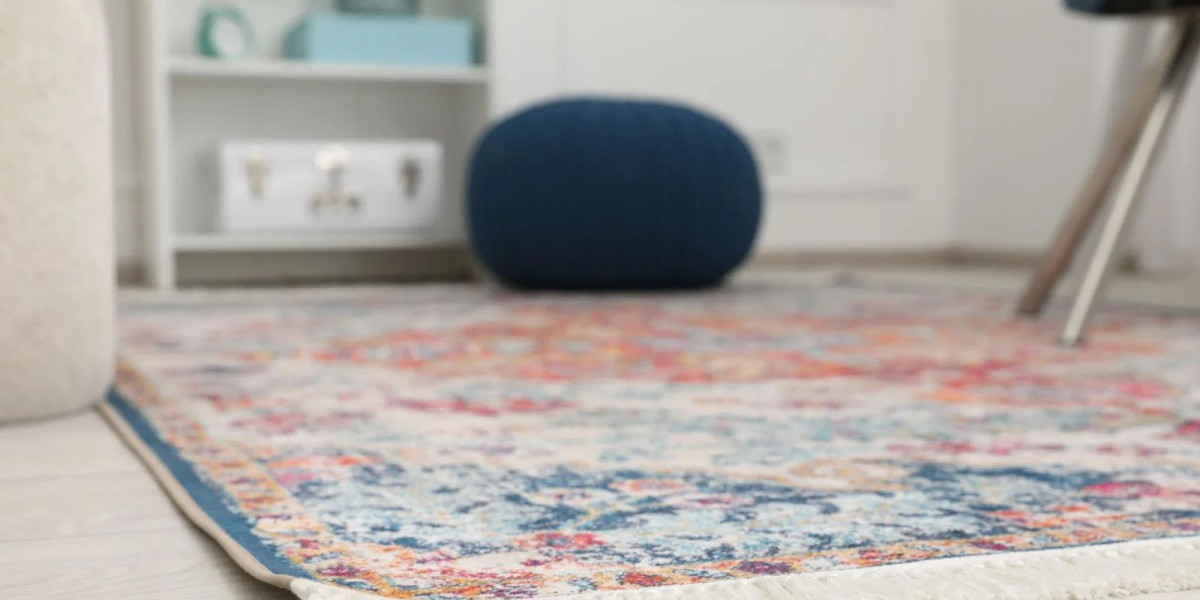

For a nursery, a 4x6 or 5x8 ft rug works well near the crib and feeding chair. Toddler rooms benefit from a 5x8 or 6x9 ft rug that defines the play zone. For older kids' bedrooms, an 8x10 ft rug typically fits best under the bed and surrounding floor space.
The right rug does more than cover a floor. It defines a space, adds warmth underfoot, and sets the tone for the entire room. Get the size wrong, and even a beautiful rug can make a room feel off. Get it right, and the whole space comes together.
Kids' rooms—whether a peaceful nursery, a busy toddler's play zone, or a growing child's bedroom—each have different needs. This guide walks you through the best rug sizes for each stage, what to look for in materials and safety, and where to find quality kids room rugs that hold up over time.
How Room Dimensions Should Drive Your Rug Choice
Before picking a rug, measure your room. A rug that's too small will look like an afterthought. One that's too large will overwhelm the space.
A few reliable rules of thumb:
Leave 18–24 inches of bare floor around the rug's edges in most rooms
In smaller rooms (under 10x10 ft), a 5x8 ft rug is usually the sweet spot
In larger rooms, a 8x10 ft or even 9x12 ft rug can ground the furniture and anchor the space
Always lay down painter's tape in the dimensions of the rug you're considering before buying. It takes five minutes and saves you from a costly mistake.
Nursery Rugs: What Size and Style Work Best?
A nursery is a calm, quiet space—and the rug should reflect that.
Recommended sizes: 4x6 ft (smaller nurseries) or 5x8 ft (standard nurseries)
Place the rug near the crib and feeding chair so it's underfoot during night feeds and morning routines. You don't need to cover the entire floor—just the areas where you and your baby spend the most time.
For materials, prioritize soft, non-toxic options. Wool and cotton are excellent choices for nurseries because they're natural, breathable, and free from the harsh chemicals sometimes found in synthetic alternatives. Avoid high-pile rugs in the crib area, as loose fibers can be a hazard for very young babies.
Stick to soft, muted tones—sage greens, warm whites, dusty pinks, or soft grays. These colors create a calming atmosphere that supports sleep, and they tend to age well as the room evolves.
Toddler Room Rugs: Size for Play and Durability
Toddlers are hard on everything—including rugs. The rug you choose for this stage needs to handle spills, crumbs, and constant foot traffic without losing its shape or color.
Recommended sizes: 5x8 ft or 6x9 ft
A 5x8 ft rug works well in most toddler rooms, giving enough space to define a central play zone while leaving room around the edges for furniture. If the room is larger or doubles as a playroom, step up to a 6x9 ft.
What to look for:
Short pile or flat weave: Easier to clean and less likely to trap debris
Stain-resistant materials: Polypropylene and nylon hold up well against spills
Bold patterns or playful motifs: Maps, animals, or geometric shapes can stimulate a toddler's imagination and make the rug part of the play experience
Avoid light-colored rugs at this stage unless they're treated for stain resistance. A cream rug and a toddler with a juice box rarely end well.
Kids' Bedroom Rugs: Sizing as They Grow
Once a child reaches school age, their bedroom becomes more than a sleep space—it's where they read, do homework, play, and express their personality. The rug needs to work harder.
Recommended sizes: 8x10 ft (standard kids' bedrooms) or 5x8 ft (smaller rooms or partial coverage)
For a single bed setup, place a 8x10 ft rug so it extends at least 18 inches on either side of the bed and in front of it. This gives the room a cohesive look and ensures there's a soft surface to step onto each morning.
For rooms with a desk or reading nook, consider using a smaller secondary rug (3x5 ft) to define that zone separately—especially if the room is large enough to support it.
As kids grow, involve them in the choice. A rug featuring their favorite colors, a sports theme, or a design they genuinely love means they're more likely to take care of it. It also gives the room a personal feel that generic decor rarely achieves.
Key Things to Check Before You Buy Kids Room Rugs
What materials are safest for children's rugs?
Wool is the gold standard. It's durable, naturally stain-resistant, and free from synthetic chemicals. Cotton is a softer, more affordable option that works well in nurseries. Synthetic materials like nylon and polypropylene are highly practical for high-traffic toddler rooms—they're easy to clean and built to last.
Avoid rugs treated with formaldehyde-based coatings or those that carry strong chemical odors out of the box. Always look for certifications like OEKO-TEX Standard 100, which confirms a product has been tested for harmful substances.
Does the rug need a non-slip backing?
Yes—always. A rug without a non-slip pad is a slip hazard, especially for toddlers who are still finding their footing. Most rugs require a separate non-slip pad, so factor that into your budget. Some handmade rugs come with a latex backing, but a quality rug pad is the better long-term option as it protects both the rug and the floor beneath.
How do you keep kids' rugs clean?
Vacuum regularly (at least twice a week in high-traffic rooms)
Blot spills immediately—don't rub
Rotate the rug every 6 months to distribute wear evenly
For wool rugs, professional cleaning once a year keeps them in top condition
A flat-weave or low-pile rug is significantly easier to maintain than a thick shag, which makes it the more practical choice for younger children.
Where to Buy Quality Kids Room Rugs Online
The shift toward buying rugs online has made it much easier to find well-crafted options without traveling from store to store. You can filter by size, material, pile height, and color—and most reputable retailers offer detailed product descriptions that help you make an informed choice.
If you want something with genuine craftsmanship behind it, The Ambiente is worth looking at. Based in Bhadohi, India—South Asia's largest hub for hand-knotted carpets—The Ambiente offers a curated range of premium handmade rugs in India, crafted by a network of over 4,000 skilled artisans, the majority of whom are women.
Founded by Avani Khandelwal, an MBA graduate with a background in consumer behavior and marketing, The Ambiente was built to make high-quality handwoven rugs accessible to Indian homes at fair prices. With over 5,000 clients served and 30+ years of expertise through its parent company, Bhadohi Carpets, the brand combines traditional weaving techniques with modern design sensibilities.
Their ready-to-ship collection includes options in wool and silk, across a wide range of sizes—so whether you need a 4x6 ft nursery rug or a 8x10 ft statement piece for an older child's room, you'll find something worth considering. The Ambiente also offers bespoke rugs for those who want a size or design that's entirely their own.
The Right Rug Makes a Real Difference
Choosing the right rug for a child's room is less complicated than it sounds. Start with the room size, factor in your child's age and how the space is used, then narrow down by material and design.
To recap:
Nursery: 4x6 or 5x8 ft, soft materials, calming tones
Toddler room: 5x8 or 6x9 ft, durable and easy to clean, playful patterns
Kids' bedroom: 8x10 ft in most cases, adaptable as they grow
A well-chosen rug anchors the room, adds comfort underfoot, and stands up to years of use. It's one of the most practical investments you can make in a child's space.
Ready to find the right fit? Browse The Ambiente's collection of kids room rugs online and buy rugs online with the confidence that each piece is handcrafted to last.
Frequently Asked Questions
What is the best rug size for a nursery?
A 4x6 ft rug works well in smaller nurseries, while a 5x8 ft rug is better for standard-sized rooms. Place it near the crib and feeding chair—these are the areas where you'll spend the most time.
What type of rug material is safest for babies and toddlers?
Wool and cotton are the safest natural options. They're free from harsh chemicals and gentle on sensitive skin. For toddlers, synthetic materials like nylon or polypropylene are practical alternatives because they resist stains and clean easily. Look for OEKO-TEX Standard 100 certification regardless of material.
How do I keep a kids' rug from slipping?
Use a quality non-slip rug pad underneath. This prevents the rug from shifting on smooth floors and significantly reduces the risk of slipping—especially important for toddlers and young children.
Can I buy a custom-sized rug for a kids' room?
Yes. Brands like The Ambiente offer bespoke handmade rugs in custom sizes. This is useful if your room has an unusual layout or if standard sizes don't quite fit the space.
Is it safe to buy rugs online for a child's room?
Yes, as long as you buy from a reputable retailer. Check the product description for material details, pile height, and any safety certifications. The Ambiente, for example, provides transparent information about materials and craftsmanship for each rug in their collection.
How often should I clean a rug in a kids' room?
Vacuum at least twice a week in active toddler rooms. Blot spills immediately and rotates the rug every six months to even out wear. Wool rugs benefit from professional cleaning once a year to maintain their quality and appearance.