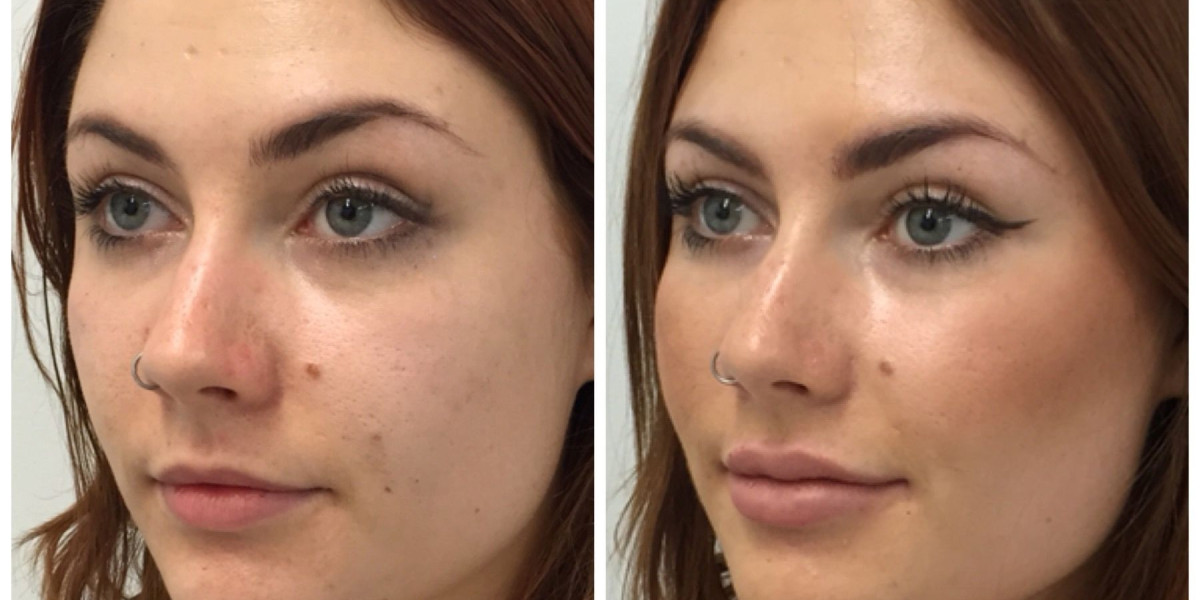

Understanding the Different Types of Cheek Implants
Cheek Augmentation in Riyadh has become a preferred choice for individuals seeking permanent facial restructuring, and understanding the nuances of cheek implants is essential for those opting for this surgical route. Unlike fillers, which offer a temporary solution, implants provide a structural change that is designed to endure for a lifetime. Because the cheekbone—or malar area—is a complex anatomical region, modern implants are engineered in various shapes, materials, and profiles to ensure that they can be tailored to the unique skeletal structure of each patient, providing a balanced, natural, and lasting aesthetic enhancement.
Materials Used in Cheek Implants
The success and safety of cheek implants rely heavily on the material composition of the device. The most commonly used material is medical-grade silicone. These solid silicone implants are popular because they are non-porous, highly durable, and easily shaped by the surgeon to fit the patient's specific bone structure. They are also soft enough to feel relatively natural under the skin but firm enough to provide the necessary projection to define the cheekbone.
Another option is porous polyethylene, a synthetic material that allows for tissue ingrowth. Because the body's own tissue grows into the pores of the implant, it becomes incredibly stable and secure once fully healed. While these implants are excellent for those who need significant structural support, they are generally firmer than silicone. During the consultation, your practitioner will discuss which material best aligns with your goals, taking into account the desired level of firmness and the specific area of the cheek that requires augmentation.
The Anatomy of Implant Shapes
Implants are not "one size fits all"; they are categorized by their shape and the specific portion of the cheek they are intended to enhance. Understanding these shapes helps in visualizing how the final result will impact your face:
Malar Implants: These are designed to be placed directly over the cheekbone (the malar eminence). Their primary purpose is to provide projection, making the cheekbones appear higher and more defined. They are excellent for patients who feel their face lacks structure or that their cheeks appear "flat" from the front.
Submalar Implants: These are designed to add volume to the area beneath the cheekbone, often targeting the hollows that occur due to fat pad atrophy. By filling the submalar space, these implants can help soften the look of a gaunt face and improve the transition from the cheek to the jawline.
Combined (Malar-Submalar) Implants: For patients who require comprehensive volume restoration, these implants address both the cheekbone and the area below it. They provide a smooth, continuous lift, effectively rejuvenating the entire mid-face and offering a more dramatic, balanced result.
Profile and Projection
Once the shape and material are selected, the "profile" of the implant becomes the next focus. The profile refers to how far the implant projects away from the bone. A low-profile implant provides a subtle enhancement, ideal for those who want to restore lost volume without significantly altering their facial shape. A high-profile implant, conversely, offers a more dramatic, sharp, and angular look, which is often favored by those seeking a more defined, model-like aesthetic.
The challenge for the surgeon is to match the projection of the implant to the surrounding facial features, such as the chin and the jaw. An implant that is too high-profile for the patient’s existing bone structure can look disproportionate, while one that is too low may provide an underwhelming result. Skilled practitioners use 3D modeling or physical templates during the planning phase to ensure that the chosen profile harmonizes perfectly with the rest of the face.
The Surgical Placement Process
The placement of these implants is a precise surgical procedure. Most surgeons prefer an intraoral approach, where an incision is made inside the mouth, along the gum line. This method is highly favored because it ensures that there are no visible external scars. Once the incision is made, the surgeon creates a precise pocket over the periosteum—the tough membrane that covers the cheekbone.
Securing the implant in this pocket is critical. While some implants are designed to be self-stabilizing due to their shape, others may be fixed in place with tiny, biocompatible screws to prevent any shifting during the healing process. After the implant is positioned, the incision is closed with dissolvable sutures. The internal location of the incision also means that the patient must maintain diligent oral hygiene during the recovery phase to prevent infection, a crucial instruction provided by the surgical team.
Making the Right Choice
Choosing the right implant is a collaborative decision between you and your surgeon. It requires a balance of your aesthetic desires and the reality of your underlying anatomy. During your consultation, you should feel comfortable asking about the specific brand of implants used, the benefits of the chosen material, and why a specific shape or profile is being recommended for your face.
By taking the time to understand the differences between malar and submalar designs, as well as the benefits of various materials, you can enter your surgery with peace of mind. The goal of cheek implants is to provide a permanent foundation that restores your facial harmony, ensuring that you achieve a result that looks and feels like a natural part of your anatomy for years to come.