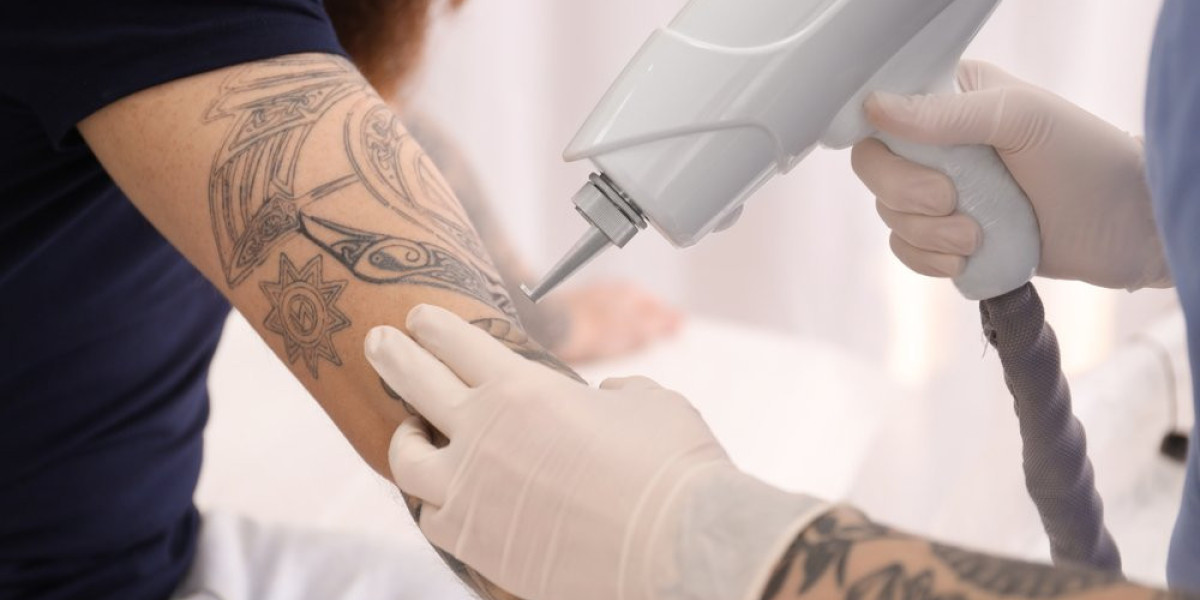

Combining Tattoo Removal with Cover-Up Planning
Not everyone seeking tattoo removal in Riyadh wants a completely blank canvas. In many cases, people prefer a cover-up tattoo, where the old design is faded enough to be redesigned into something new. This hybrid approach—laser fading followed by a cover-up tattoo—is one of the most practical and creative solutions available today. Tattoo removal in Riyadh has become increasingly popular as more people look for safe and effective ways to erase unwanted ink and start fresh.
It allows you to reduce the visibility of an unwanted tattoo while transforming it into a fresh design that better reflects your current identity.
What Is a Laser + Cover-Up Strategy?
A combined approach involves two stages:
Stage 1: Laser Tattoo Fading
- Tattoo is partially or significantly faded using laser sessions
- Ink is broken down gradually over multiple treatments
- The goal is not always full removal
Stage 2: Cover-Up Tattoo
- A tattoo artist designs a new tattoo over the faded one
- The new design incorporates or hides old ink
- Heavily faded areas are easier to work with
This strategy is ideal for people who do not want to wait for full removal or who prefer transformation over elimination.
Why Laser Fading Before Cover-Up Is Important
A cover-up tattoo cannot fully hide a dark or dense existing tattoo. Laser fading improves the outcome significantly.
Benefits of fading first:
- Expands design options for the artist
- Allows lighter and more detailed cover-up designs
- Prevents “muddy” or overly dark results
- Reduces need for heavy ink saturation in new tattoo
Without fading, cover-ups often become larger, darker, and more restrictive.
How Much Fading Is Needed Before a Cover-Up?
The required level of fading depends on the original tattoo and desired new design.
Light cover-up projects:
- 1–3 laser sessions may be enough
- Suitable for small or simple tattoos
Moderate cover-ups:
- 3–6 sessions typically required
- Works well for medium-sized tattoos
Complex or dark tattoos:
- 6+ sessions may be needed
- Especially for black, dense, or professional tattoos
In clinics in Riyadh, dermatologists often collaborate with tattoo artists to determine the ideal fading level before stopping laser treatment.
Ideal Candidates for Combined Treatment
This approach works best for people who:
- Want to transform rather than fully remove a tattoo
- Have dark or old tattoos that are still visible
- Prefer creative redesign over complete elimination
- Are open to multiple laser sessions before tattooing again
It is especially useful for tattoos that hold emotional meaning but no longer suit current aesthetics.
Choosing the Right Cover-Up Design
Once the tattoo is sufficiently faded, the next step is planning the new design carefully.
Good cover-up strategies include:
- Larger designs that incorporate old shapes
- Darker shading over remaining ink
- Use of patterns, mandalas, or abstract art
- Incorporating old lines into new structure
A skilled tattoo artist will assess how much of the original tattoo is still visible and design accordingly.
How Laser Fading Improves Design Flexibility
Without fading, cover-up tattoos are limited in:
- Color choice
- Line detail
- Placement of key elements
- Size of the new design
With laser fading:
- Lighter colors become possible
- More detailed artwork can be used
- Smaller, cleaner designs can be achieved
- Artist has more creative freedom
This is why many professionals in Riyadh recommend at least partial fading before cover-ups.
Timing Between Laser and Cover-Up Tattoo
Proper timing is critical to avoid skin damage.
Recommended waiting period:
- At least 6–8 weeks after the last laser session
- Skin must be fully healed
- No redness, scabs, or sensitivity
This allows:
- Skin barrier to recover
- Pigment stabilization
- Reduced risk of irritation or scarring
Rushing this step can negatively affect the final tattoo quality.
Advantages of Combining Both Approaches
1. Better Aesthetic Results
Faded tattoos allow for cleaner, more attractive cover-ups.
2. Less Ink Saturation Needed
New tattoo does not need to be overly dark to hide old ink.
3. More Design Freedom
Artists can create more detailed and flexible artwork.
4. Emotional Satisfaction
Many people feel a sense of renewal through transformation instead of total erasure.
Limitations to Keep in Mind
While effective, this approach has some limitations:
- Requires multiple laser sessions
- Takes longer than direct cover-up tattooing
- May not fully erase original tattoo visibility
- Costs more due to combined treatments
In some cases, very dense or dark tattoos may still influence the final cover-up design.
Common Mistakes to Avoid
1. Skipping Laser Fading Entirely
Leads to overly dark and limited cover-up designs.
2. Starting Cover-Up Too Early
Can damage healing skin and affect tattoo quality.
3. Choosing an Inexperienced Artist
Cover-up tattoos require advanced skill and planning.
4. Unrealistic Expectations
Some original ink may still subtly show through lighter designs.
Role of Clinics and Artists Working Together
In modern aesthetic practices in Riyadh, collaboration between dermatology clinics and tattoo artists is becoming more common.
This ensures:
- Safe laser settings for fading
- Proper healing between sessions
- Optimal timing for new tattoo application
- Better final visual outcome
Final Thoughts
Combining tattoo removal with cover-up planning is a smart and flexible solution for people who want change without complete removal. Laser fading improves design options, enhances artistic freedom, and leads to better long-term aesthetic results.
In clinics across Riyadh, this approach is increasingly popular because it balances medical technology with creative expression.