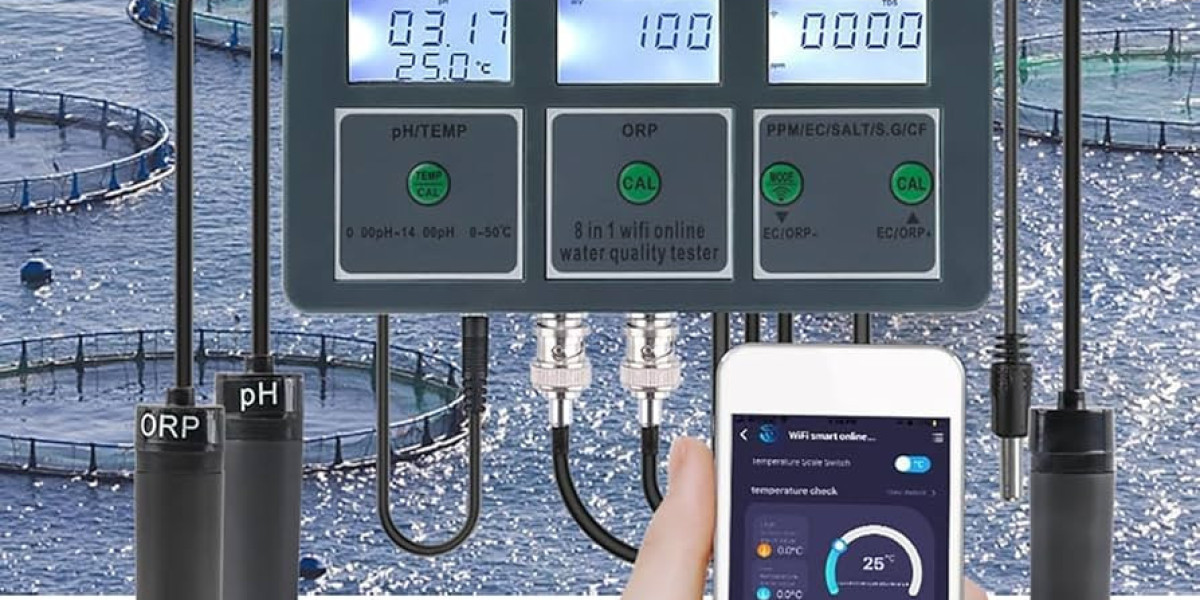
Water is one of the most valuable natural resources on Earth. Every human being, plant, and animal depends on clean water for survival. People use water for drinking, cooking, washing, agriculture, manufacturing, and many other daily activities. Because water is used in almost every part of life, maintaining its quality is extremely important. Unfortunately, increasing pollution, industrial waste, and environmental changes have made water contamination a major global issue. To solve this problem, accurate testing and monitoring systems are necessary. One of the most effective devices used for this purpose is the water quality meter.
A water quality meter is a device designed to measure different characteristics of water. It helps determine whether water is safe, polluted, or suitable for a specific purpose. These meters are widely used in homes, industries, laboratories, research centers, fisheries, and water treatment facilities. By providing fast and reliable readings, water quality meters help protect human health and the environment.
The Need for Water Quality Monitoring
Clean water is essential for maintaining good health and supporting economic activities. Unsafe water can contain harmful bacteria, chemicals, heavy metals, and pollutants that may cause serious diseases. Millions of people around the world suffer from waterborne illnesses because of contaminated water supplies.
In addition to health concerns, poor water quality can damage crops, reduce industrial efficiency, and harm aquatic ecosystems. Polluted rivers and lakes affect fish populations and destroy natural habitats. Therefore, regular water testing is important for identifying contamination and preventing further environmental damage.
Water quality monitoring also supports sustainable development by ensuring that water resources are used responsibly. Governments, industries, and environmental organizations rely on testing systems to maintain water standards and protect natural resources.
Definition of a Water Quality Meter
A water quality meter is an electronic instrument that measures physical and chemical properties of water. The device uses sensors to detect different parameters and displays the results on a digital screen. Some meters are designed to measure a single factor, while advanced models can test multiple parameters at the same time.
Modern water quality meters are highly accurate, portable, and easy to operate. They allow users to perform quick tests without requiring complicated laboratory procedures. Because of these advantages, water quality meters have become an essential part of modern water management systems.
Main Parameters Measured by Water Quality Meters
pH Level
The pH level measures the acidity or alkalinity of water. A pH value below 7 indicates acidic water, while a value above 7 indicates alkaline water. Water with balanced pH levels is safer for drinking and industrial use. Extreme pH levels can damage equipment, affect aquatic life, and create health problems.
Total Dissolved Solids (TDS)
TDS measures the concentration of dissolved substances such as minerals, salts, and metals in water. High TDS levels may indicate contamination or excessive mineral content. TDS testing is commonly used in homes and water purification systems.
Electrical Conductivity
Conductivity measures the ability of water to conduct electricity. Water with high ion concentration has greater conductivity. This parameter helps identify impurities and pollution levels.
Dissolved Oxygen
Dissolved oxygen is necessary for fish and other aquatic organisms. Low oxygen levels may indicate pollution or poor environmental conditions. Fisheries and environmental agencies frequently monitor dissolved oxygen levels.
Turbidity
Turbidity refers to the cloudiness of water caused by suspended particles. High turbidity levels may indicate contamination from soil, waste, or microorganisms. Drinking water should have low turbidity for safety and cleanliness.
Temperature
Temperature affects water chemistry, oxygen levels, and biological activity. Accurate temperature measurement is important in environmental studies and industrial processes.
Different Types of Water Quality Meters
Portable Meters
Portable water quality meters are lightweight and easy to carry. They are suitable for fieldwork, home use, and outdoor testing. These meters provide quick results and are commonly used by environmental researchers.
Benchtop Meters
Benchtop meters are designed for laboratory use. They are larger and more advanced than portable meters. These devices offer high precision and are used in scientific research and professional testing facilities.
Multiparameter Meters
Multiparameter meters can test several water properties simultaneously. These devices are highly efficient and save time during water analysis.
Smart Water Quality Meters
Modern smart meters include wireless technology, data storage, and smartphone connectivity. Users can monitor water quality remotely and maintain digital records easily.
Applications of Water Quality Meters
Household Water Testing
Homeowners use water quality meters to check drinking water safety and monitor filtration systems. Regular testing helps detect contamination early and ensures healthy water consumption.
Industrial Applications
Industries require clean water for manufacturing, cooling, and cleaning processes. Water quality meters help maintain production quality and protect machinery from corrosion and damage.
Agricultural Use
Farmers test irrigation water to ensure healthy crop growth. Poor water quality can reduce soil fertility and affect agricultural productivity.
Aquaculture
Fish farming requires proper water conditions to maintain healthy aquatic life. Water quality meters help monitor oxygen levels, temperature, and pH balance in fish ponds and aquariums.
Environmental Studies
Environmental scientists use water quality meters to study rivers, lakes, and oceans. These measurements help identify pollution sources and support conservation efforts.
Water Treatment Plants
Water treatment facilities rely on water quality meters to ensure that purified water meets safety standards before distribution to the public.
Benefits of Water Quality Meters
One of the greatest benefits of water quality meters is their accuracy. These devices provide reliable readings quickly, helping users make informed decisions about water management.
Another important advantage is convenience. Portable meters allow testing in remote locations without the need for a laboratory. This makes water testing more accessible and efficient.
Water quality meters also reduce costs by preventing equipment damage and improving water treatment efficiency. Industries can avoid expensive repairs caused by contaminated water.
Additionally, these devices support environmental protection by encouraging regular monitoring and responsible water usage.
Challenges and Limitations
Although water quality meters are useful, they also face certain challenges. Sensors require regular cleaning and calibration to maintain accuracy. Incorrect handling may produce unreliable results.
Some advanced meters are expensive, making them difficult for small organizations or households to afford. In addition, not all contaminants can be detected using a single device. Certain biological pollutants may require laboratory testing for complete analysis.
Environmental factors such as temperature changes and sensor contamination can also affect measurement accuracy.
Future Developments
Technology continues to improve water quality monitoring systems. Modern devices are becoming smaller, smarter, and more affordable. Many new systems offer automatic monitoring, wireless communication, and cloud-based data storage.
Artificial intelligence and smart sensors are expected to play a larger role in future water management systems. These technologies can analyze data continuously and provide early warnings about pollution or water quality problems.
In the coming years, advanced water quality meters may become common household tools, allowing individuals to monitor their water supplies regularly.
Conclusion
Water quality meters are essential instruments for ensuring safe and clean water. They help measure important parameters such as pH, dissolved oxygen, conductivity, turbidity, and TDS. These measurements allow users to detect contamination and maintain proper water standards.