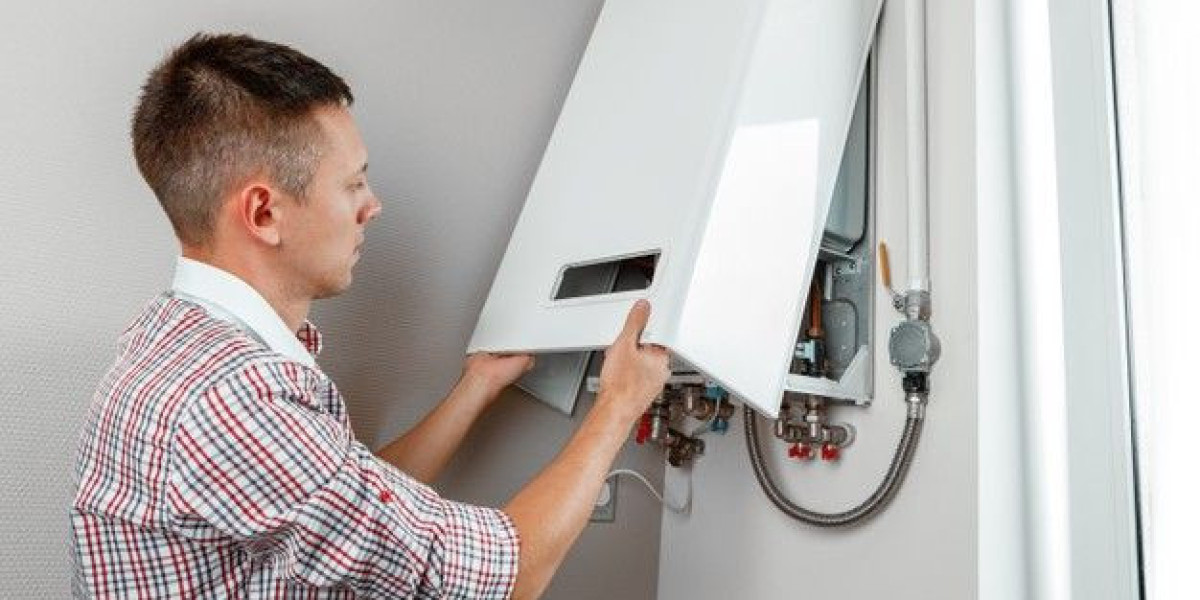

The modern home is undergoing a quiet revolution in how it consumes and manages energy. Driven by the rise of rooftop solar, increasing utility costs, and a growing desire for energy independence, homeowners are looking beyond simply generating power to strategically storing it. At the center of this shift is the home energy storage system, a technology that turns a house from a passive energy consumer into an intelligent, resilient power hub. While several battery technologies are available, one has emerged as the standout leader for safety, longevity, and value: LiFePO4 batteries. These lithium iron phosphate batteries are rapidly becoming the preferred choice for homeowners seeking to maximize their solar investment and secure their power supply, offering a compelling alternative to other chemistries that may not be as well-suited for the daily demands and safety requirements of a family home.
Why Store Energy at Home?
The rationale for investing in a home battery system is multifaceted, offering both practical and financial benefits that extend far beyond simple backup power.
Maximizing Solar Self-Consumption: For homes with solar panels, the sun often shines brightest when homeowners are away, and energy demand is lowest. Without storage, excess solar energy is typically sent back to the grid, often for minimal credit. A battery system captures this surplus power, allowing you to use your own clean energy in the evening when your family is home and utility rates are highest. This dramatically increases your energy self-sufficiency.
Backup Power and Resilience: Power outages, whether from severe weather, grid overload, or other failures, are becoming more common. A home battery system provides an automatic, silent, and instantaneous backup power source for essential loads like refrigeration, lighting, medical equipment, and communication devices. It offers peace of mind that a portable generator cannot match, operating without fuel, fumes, or noise.
Load Shifting and Financial Savings: In regions with time-of-use (TOU) billing, electricity costs significantly more during peak evening hours. A battery allows you to "shift" your energy use, drawing from your stored power during these expensive periods and charging from the grid when rates are low. This can lead to substantial savings on your monthly electricity bill.
Supporting a Greader Grid: By storing and using local solar energy, homes with batteries reduce the strain on the centralized grid during peak demand times. This decentralized approach contributes to a more stable and sustainable energy infrastructure for the entire community.
LiFePO4: The Ideal Chemistry for Home Energy Storage
While lead-acid and other lithium-ion variants like NMC (Nickel Manganese Cobalt) have been used in energy storage, Lithium Iron Phosphate (LiFePO4) possesses a unique combination of properties that make it exceptionally well-suited for the residential environment.
Unrivaled Safety and Stability
This is the single most important factor for a device installed inside or adjacent to your living space. LiFePO4 chemistry is inherently more stable than other lithium-ion batteries. It is far more resistant to thermal runaway, a dangerous chain reaction that can lead to fires. The phosphate cathode material will not burn or explode even under severe mishandling, such as overcharging or physical damage. For a homeowner, this intrinsic safety provides a level of security that other chemistries simply cannot guarantee.
Exceptional Longevity and Cycle Life
A home battery is a long-term investment, and its lifespan is critical to its economic viability. LiFePO4 batteries excel here, typically rated for 6,000 to 10,000 cycles while retaining 80% of their original capacity. This translates to well over 15 years of daily charging and discharging. In contrast, a lead-acid battery may only last 1,000 cycles and requires regular maintenance, while other lithium chemistries often degrade faster. This long service life ensures your system pays for itself and continues to deliver value for decades.
High Efficiency and Performance
Efficiency measures how much energy you put into a battery versus how much you can usefully get out. LiFePO4 batteries are remarkably efficient, with round-trip efficiency often exceeding 95%. This means that for every 10 kWh of solar energy you store, you get over 9.5 kWh back to power your home. Lead-acid batteries, by comparison, can have efficiencies as low as 80%, wasting a significant portion of your generated solar power as heat. Furthermore, LiFePO4 batteries can be discharged almost completely without damage, providing a much larger usable capacity than lead-acid, which is typically limited to a 50% depth of discharge.
Key Components of a Home Energy Storage System
A complete system is more than just the battery cells. It is an integrated ecosystem of components working in harmony.
The Battery Bank: The physical unit(s) that store the DC (Direct Current) electricity. This is where the LiFePO4 cells, along with a critical Battery Management System (BMS), are housed.
The Inverter/Charger: The brain and muscle of the system. This device performs two essential functions: it converts the DC electricity from the batteries into AC (Alternating Current) for your home's appliances, and it converts AC from the grid or solar panels to DC to charge the batteries. Hybrid inverters are designed specifically to manage solar, battery, and grid power seamlessly.
The Battery Management System (BMS): A sophisticated electronic circuit that protects the LiFePO4 battery. It continuously monitors voltage, current, and temperature for each cell, ensuring they operate within safe limits. It prevents overcharging, over-discharging, and short circuits, which is fundamental to achieving the battery's famed longevity and safety.
System Controller and Monitoring: Most modern systems include a user-friendly interface, often accessible via a smartphone app, that allows homeowners to monitor energy production, consumption, and battery status in real-time, and to configure system preferences like backup power priorities.
Is a LiFePO4 Home Battery System Right for You?
Determining the right system for your home involves considering several factors. Start by analyzing your electricity bills to understand your consumption patterns and whether you are on a time-of-use rate plan. If you have solar panels, review your production data to see how much excess energy you generate. The size of the battery bank you need will depend on your goals: whether you want whole-home backup or just to power critical circuits, and how many hours of autonomy you desire during an outage. For homes with complex layouts or unique energy needs that cannot be met by standard offerings, some providers can engineer custom battery packs to fit specific spatial or power requirements, though most residential needs are met by scalable, pre-configured modular units.
In conclusion, the move towards home energy storage represents a fundamental shift in how we power our lives. It is an investment in resilience, independence, and a sustainable future. Among the available technologies, LiFePO4 batteries stand out as the superior choice for the residential sector, combining a decade-proven track record of safety with unparalleled cycle life and performance. By carefully selecting a system that matches your energy profile, you can take definitive control of your power, reduce your carbon footprint, and ensure your home remains a safe and comfortable haven, no matter what happens beyond the meter.