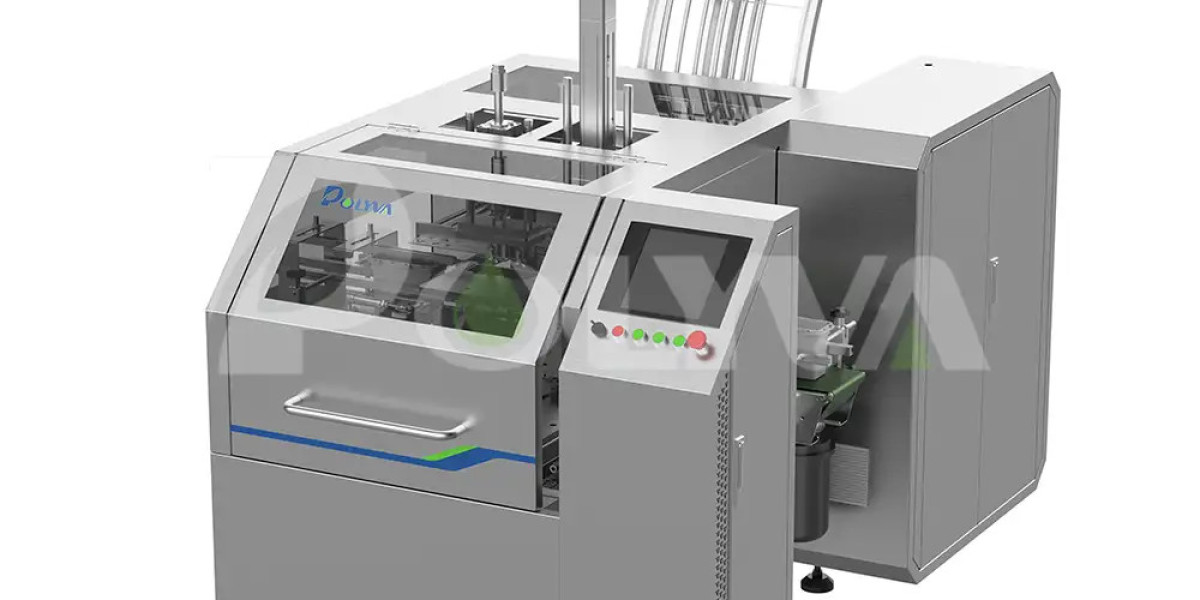

Building a soluble packaging operation from scratch is a logistical puzzle. Film comes from one supplier, machinery from another, formulation advice from a third, and nobody is accountable when the pieces do not fit together. A film that works beautifully in a laboratory trial may behave differently on a production machine running at commercial speed. A machine tuned for one film grade may struggle with another. These mismatches cost time, money, and momentum, and they are precisely what POLYVA's one-stop model is designed to eliminate by bringing film, machinery, and pod production under a single point of responsibility.
The Problem With Sourcing Packaging Components Separately
When film, equipment, and process knowledge come from different vendors, responsibility fragments. If pouches leak, the film supplier blames the sealing parameters, the machine supplier blames the film, and the brand is left arbitrating a dispute instead of shipping product. Even when everyone acts in good faith, the integration work falls on the customer, who may lack the technical depth to identify where the real fault lies. For brands new to soluble packaging, this fragmentation is one of the most common reasons launches run late or fail outright.
Film Expertise That Informs Machine Design
POLYVA's advantage begins with understanding film as a material rather than a commodity. PVA films vary in thickness, tensile behaviour, dissolution temperature, and chemical resistance, and each variation places different demands on the machinery. Because POLYVA works across multiple film grades, its machine designs account for this variability rather than optimising for a single specification. Brands receive guidance on which film suits their formulation, and the machine is configured to run that film reliably, which removes the guesswork that typically accompanies a first soluble packaging project.
Machinery Built to Match the Film and the Product
The second pillar of the one-stop model is equipment configured around the specific combination of film and product. Sealing parameters, tension settings, and filling mechanisms are not generic; they are selected to suit what will actually run on the line. This matters most for products with unusual characteristics, such as highly viscous gels, fine powders prone to dusting, or formulations that require multi-chamber separation. When the machine and the film are chosen together, the result is a production line that reaches stable output quickly rather than requiring months of iterative adjustment.
Pod Production as a Complete Service
For brands that prefer not to invest in machinery immediately, POLYVA's pod production capability offers an alternative route to market. Rather than building a factory, a brand can have its formulations produced into finished pods under controlled conditions, complete with the film selection and quality control that the format demands. This lowers the barrier to entry considerably, allowing smaller companies to test market response before committing to capital equipment. It also serves established brands that need surge capacity or a secondary production source without disrupting their own lines.
Why Integration Reduces Risk and Time to Market
The core argument for a one-stop approach is risk reduction. When one partner is responsible for film, machine, and process, there is no ambiguity about who solves a problem. Troubleshooting becomes faster because the same organisation understands every variable involved. Brands also avoid the delays that come from discovering, late in the process, that their chosen film and machine are incompatible. In practical terms, integration compresses the timeline between formulation approval and commercial shipment, which is often the difference between capturing a retail window and missing it.
Supporting Brands Through Every Stage of Growth
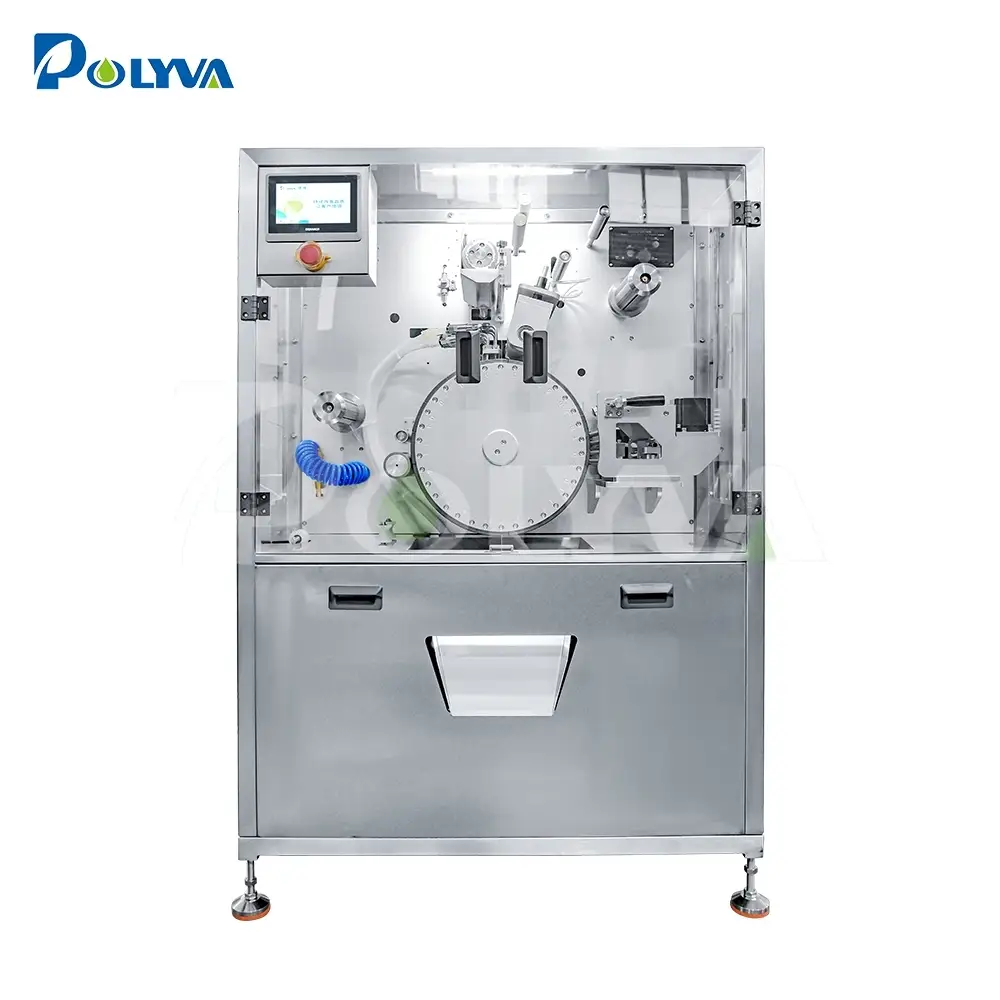
The one-stop model also scales with the customer. A startup might begin with pod production services, move to a pilot water soluble film packaging machine as volumes grow, and eventually invest in a full production line. POLYVA supports each of these stages without requiring the brand to rebuild its supplier relationships or relearn the technology. This continuity is valuable because soluble packaging involves a genuine learning curve, and knowledge accumulated at one stage carries directly into the next rather than being lost in a handover between vendors.
The Strategic Value of a Single Accountable Partner
Choosing a packaging partner is ultimately a decision about accountability. Brands that assemble their soluble packaging operation from multiple suppliers gain flexibility in theory but often lose it in practice, because integration problems consume the flexibility they were trying to preserve. POLYVA's one-stop offering trades a certain amount of supplier choice for something more valuable: a single partner who owns the outcome from film selection through finished pod. For brands serious about soluble formats, that clarity is frequently worth more than the alternatives.