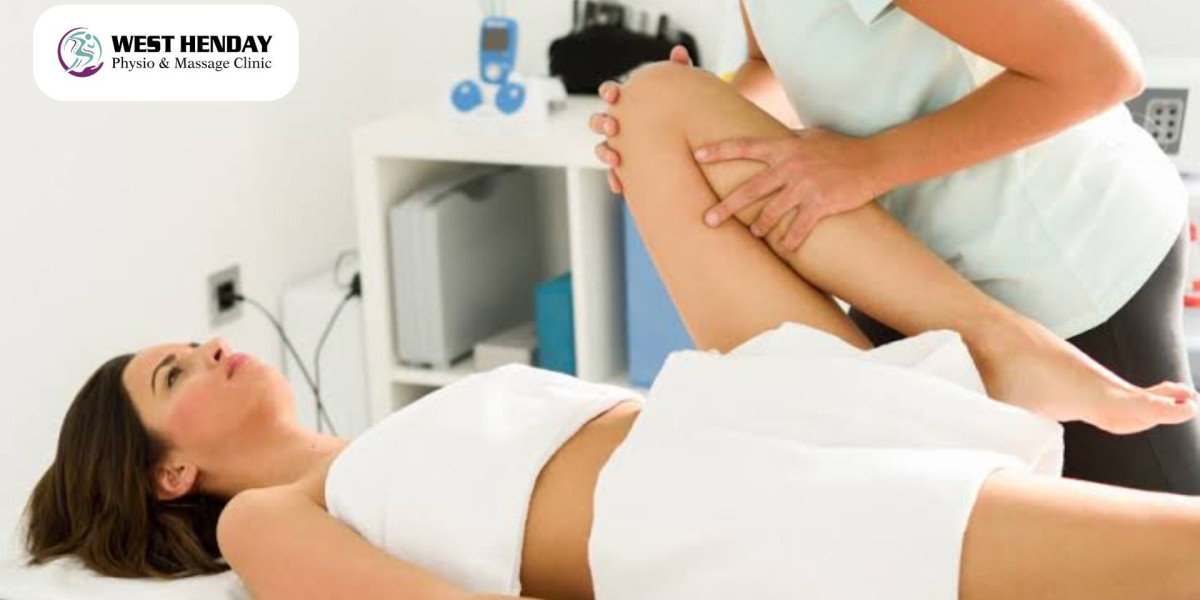

Lower Back Pain and Pelvic Floor Dysfunction
Lower back pain can affect people of different ages and activity levels. It may make sitting, walking, bending, lifting, exercising, or completing everyday activities uncomfortable. While many people think of the back and pelvic floor as separate areas, these parts of the body work closely together. The muscles of the abdomen, hips, pelvis, and lower back all contribute to posture, support, and movement. When the pelvic floor is weak, tight, or not coordinated properly with other muscles, it may be associated with discomfort or changes in daily function.
Pediatric physiotherapy Edmonton and pelvic floor physiotherapy can address different physical concerns depending on age and individual needs. Children may experience pelvic floor problems alongside bowel or bladder concerns, while women may experience pelvic floor changes during pregnancy, after childbirth, or with other pelvic health concerns. Understanding the connection between the pelvic floor and lower back can help families and adults know when an assessment may be useful.
The pelvic floor is a group of muscles and connective tissues located at the bottom of the pelvis. These muscles provide support for the bladder and bowel and, in women, the reproductive organs. They also work with the diaphragm, abdominal muscles, hips, and lower back during movement. When you breathe, lift, cough, exercise, or change position, these muscles respond to changes in pressure and movement.
The pelvic floor does not only need to be strong. It also needs to relax and contract at the right times. A pelvic floor that is too tight may cause discomfort, while muscles that are weak or poorly coordinated may not provide adequate support. For this reason, pelvic floor physiotherapy for women is not limited to strengthening exercises. Treatment depends on what the assessment shows.
Lower back pain and pelvic floor dysfunction may sometimes occur together. For example, a person with reduced pelvic and abdominal muscle coordination may use other muscles to compensate during movement. This can affect how the hips and lower back work during everyday activities. Likewise, someone experiencing persistent back discomfort may change the way they move, which can affect muscle coordination around the pelvis.
This relationship does not mean that pelvic floor dysfunction is the cause of every case of lower back pain. Back pain can have many possible causes, and a proper assessment is important before deciding whether the pelvic floor is contributing to the symptoms.
How the Pelvic Floor Supports the Body
The pelvic floor forms part of the body's central support system. It works together with the deep abdominal muscles and diaphragm to manage pressure inside the abdomen. This is especially important during activities such as lifting, coughing, sneezing, running, and jumping.
When these muscles coordinate well, the body can respond to movement and changes in pressure. If coordination is affected, a person may experience symptoms such as pelvic pressure, bladder leakage, bowel difficulties, pelvic discomfort, or changes in lower back comfort.
Physiotherapy focuses on understanding how these muscles work together rather than treating one body part in isolation.
Lower Back Pain in Women
Women may experience changes in pelvic floor function during different stages of life. Pregnancy, childbirth, hormonal changes, physical activity, previous injuries, and pelvic surgery can all influence how the pelvic floor muscles function.
During pregnancy, the growing baby places additional pressure on the pelvis and surrounding structures. At the same time, changes in body weight and posture can affect the lower back. Some women develop back discomfort during pregnancy and continue to experience symptoms after childbirth.
After delivery, the pelvic floor and abdominal muscles may require time and appropriate rehabilitation to regain their previous level of coordination. Pelvic floor physiotherapy for women may include breathing exercises, pelvic floor training, abdominal strengthening, posture education, and functional movement exercises based on individual needs.
Pelvic Floor Concerns in Children
Pelvic floor concerns can also occur in children. Children may experience problems such as constipation, difficulty emptying the bowel, urinary urgency, frequent urination, or daytime wetting. These symptoms can sometimes be related to pelvic floor coordination.
Children may not always describe their symptoms clearly. Parents may notice changes in bathroom habits, avoidance of using the toilet, discomfort during bowel movements, or frequent accidents.
Pediatric physiotherapy Edmonton can provide age-appropriate assessment and treatment for children with physical concerns. Treatment should be comfortable, respectful, and explained in language that the child can understand.
The approach for a child is different from treatment for an adult. A pediatric physiotherapist may use games, movement activities, breathing exercises, posture training, and age-appropriate education to help the child participate in rehabilitation.
Constipation and Pelvic Floor Function
Bowel function is closely connected with pelvic floor coordination. When the pelvic floor muscles do not relax properly during bowel movements, passing stool may become difficult. Children and adults may respond by straining, holding their breath, or changing their posture.
Over time, these habits may contribute to discomfort and changes in bowel patterns. Physiotherapy may help individuals understand appropriate positioning, breathing, relaxation, and muscle coordination.
Persistent constipation, blood in the stool, severe abdominal pain, unexplained weight loss, or other concerning symptoms should be assessed by an appropriate healthcare professional.
Bladder Symptoms and Pelvic Floor Function
Bladder leakage, urgency, or frequent urination can also be associated with pelvic floor dysfunction. These symptoms can occur in women after pregnancy and childbirth, but they are not limited to this stage of life.
Children can also experience bladder control concerns. Bedwetting is common during childhood, but persistent or newly developing urinary symptoms may require assessment by a healthcare professional to identify possible causes.
Physiotherapy may form part of a broader care plan when pelvic floor muscle coordination is contributing to symptoms.
Why Muscle Relaxation Matters
A common misunderstanding is that all pelvic floor problems require more strengthening. This is not always the case.
Some people have pelvic floor muscles that remain tense and have difficulty relaxing. Constant muscle tension may be associated with pelvic discomfort, pain during certain activities, difficulty emptying the bowel, or other symptoms.
In these situations, repeatedly performing strengthening exercises without an assessment may not address the underlying problem. Treatment may instead focus on breathing, relaxation, gentle movement, posture, and coordination.
The Connection Between Breathing and the Pelvic Floor
Breathing and pelvic floor function are closely connected. The diaphragm moves down as you breathe in and rises as you breathe out. The pelvic floor responds to these changes in pressure.
Holding your breath during exercise or lifting can change pressure within the abdomen. Learning controlled breathing can help improve coordination between the diaphragm, abdominal muscles, and pelvic floor.
A physiotherapist may teach breathing strategies as part of rehabilitation for both adults and children when appropriate.
How Physiotherapy Assesses Lower Back and Pelvic Concerns
A physiotherapy appointment generally begins with a discussion about your symptoms and daily activities. For women, the physiotherapist may ask about pregnancy history, childbirth, bladder or bowel symptoms, pelvic discomfort, exercise, and previous injuries.
For children, the assessment may focus on bathroom habits, bowel function, physical activity, posture, coordination, strength, and movement patterns. Parents or caregivers can provide important information about changes they have noticed.
The physical assessment may include posture, walking, hip movement, lower back movement, abdominal muscle function, breathing patterns, and overall coordination.
Depending on the person's symptoms and with appropriate consent, an internal pelvic floor assessment may be discussed for adults. An internal assessment is optional. Treatment can also be planned using external assessment methods when appropriate.
Treatment for Pelvic Floor Dysfunction
There is no single treatment program that suits everyone. Depending on the assessment, physiotherapy may include pelvic floor strengthening, relaxation exercises, breathing techniques, abdominal exercises, hip strengthening, posture education, stretching, and functional movement training.
For children, treatment may include age-appropriate exercises and education related to toileting posture, breathing, relaxation, and movement.
For women, treatment may be adjusted according to pregnancy, postpartum recovery, exercise goals, bladder or bowel symptoms, pelvic discomfort, or other individual concerns.
The goal is to improve coordination and function while helping the person feel more comfortable during daily activities.
Exercise and Lower Back Health
Regular physical activity can support general strength and physical function. However, exercise should be appropriate for the person's current abilities.
People with pelvic floor symptoms may notice leakage or pelvic pressure while running, jumping, lifting, or performing high-impact exercises. Rather than stopping all physical activity, an individualized assessment can help identify suitable ways to modify exercise while rehabilitation progresses.
Strengthening the hips and abdominal muscles may also be included when appropriate. These muscles work with the pelvic floor and lower back during many everyday movements.
Pelvic Floor Physiotherapy Near Me
People searching for Pelvic Floor Physiotherapy near me may have questions about what treatment involves and whether they need a referral. A physiotherapy assessment provides an opportunity to discuss symptoms privately and determine whether pelvic floor rehabilitation is appropriate.
Pelvic health concerns can sometimes feel difficult to discuss. A comfortable and respectful environment is important. Treatment should be based on your concerns, goals, comfort level, and assessment findings.
For parents seeking pediatric physiotherapy Edmonton, choosing an approach suited to the child's age and communication level is also important. Children should be encouraged to participate in treatment in a way that feels understandable and appropriate for them.
When Should You Consider an Assessment?
Consider speaking with a healthcare professional if lower back pain continues, repeatedly returns, or affects your daily activities. An assessment may also be helpful when back pain occurs alongside bladder leakage, urinary urgency, constipation, pelvic pressure, pelvic discomfort, or difficulty controlling bowel or bladder function.
Women experiencing pelvic floor symptoms during pregnancy or after childbirth may also benefit from discussing their concerns with a qualified healthcare professional.
For children, parents should consider an assessment when bowel or bladder concerns are persistent, affecting school or activities, or causing distress.
Some symptoms require medical evaluation rather than routine physiotherapy. Severe or sudden pain, unexplained bleeding, significant weakness, loss of bladder or bowel control, fever, or other concerning changes should be discussed promptly with an appropriate healthcare provider.
Supporting Long-Term Physical Function
Pelvic floor rehabilitation is not only about treating symptoms. Education can help people understand how posture, breathing, exercise, lifting, and daily habits influence the way their bodies function.
Learning how to coordinate the pelvic floor with the abdomen, hips, and lower back may help support comfortable movement during everyday activities. For children, age-appropriate education and healthy movement habits can also be part of their rehabilitation program.
For women, pelvic health physiotherapy may support a return to exercise after pregnancy, improve confidence with physical activity, and address changes that occur during different stages of life.
For children, pediatric physiotherapy can focus on physical development, coordination, strength, balance, and functional activities according to the child's needs.
What to Expect During Rehabilitation
Rehabilitation usually progresses gradually. Your physiotherapist may begin with simple exercises and education before adding more challenging movements.
Home exercises can be an important part of treatment. Completing the recommended exercises regularly allows you to continue working on your goals between appointments.
Progress varies from person to person. Some individuals may notice changes within several weeks, while others may need a longer rehabilitation program depending on their symptoms and goals.
Before concluding, it is helpful to know that physio accessingtherapy is designed to be convenient and supportive. Direct billing is available, most insurance plans are covered , same-day appointments may be available , no referrals are needed , walk-in patients are welcome , free parking is available, and the clinic is wheelchair accessible .
If you are experiencing lower back pain or pelvic floor concerns and are searching for Pediatric Physiotherapy Edmonton , Pediatric Physiotherapy near me , or pelvic floor physiotherapy for women , you can find more information about personalized physiotherapy services at West Henday Physical Therapy .
To schedule an appointment, visit Book an Appointment .