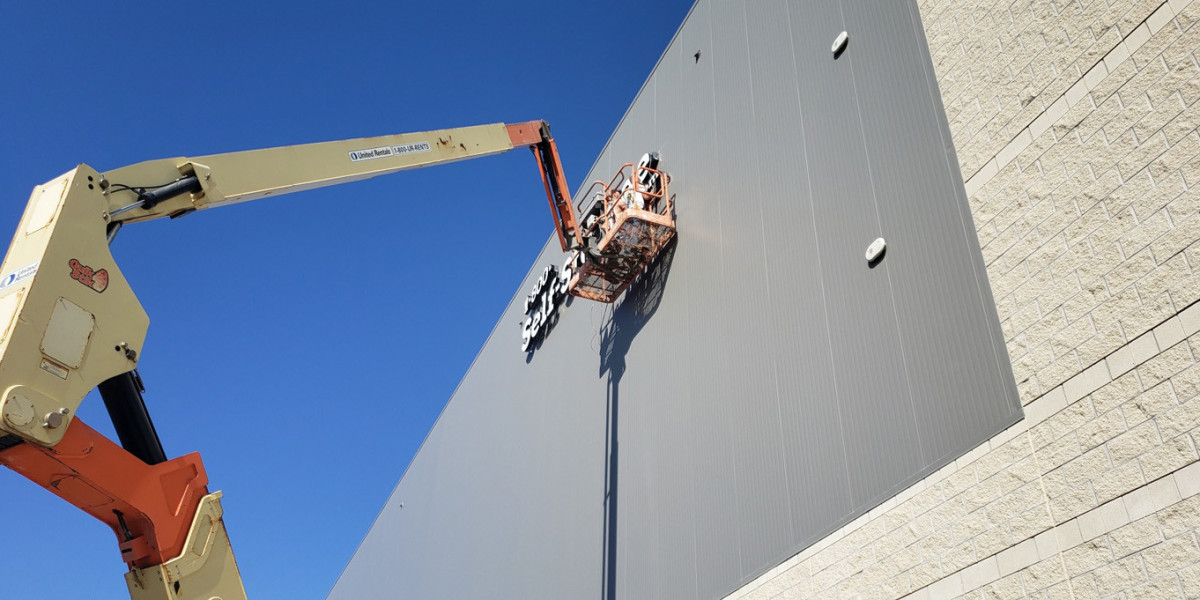

Professional Signage Installation Melbourne services play an important role in helping businesses display their names, services, directions, and branding clearly. A well-installed sign does more than identify a shop or office. It can improve visibility, support customer navigation, strengthen brand presentation, and make a commercial property look more organised.
When planning Signage Installation Melbourne, businesses need to consider more than the appearance of the finished sign. The size, material, mounting surface, location, electrical requirements, weather exposure, access conditions, and local approval requirements can all affect the installation. Proper planning helps reduce delays, installation problems, and unnecessary costs.
What Does Signage Installation Involve?
Signage installation is the process of securely positioning and mounting a sign at its intended location. Depending on the project, installation may involve wall mounting, post installation, electrical connections, structural supports, lifting equipment, or specialised fixing systems.
The installation method depends largely on the type of sign and the surface where it will be placed.
Site Assessment
A professional installer normally begins by assessing the proposed location. This may include checking wall construction, available fixing points, access to the site, visibility from nearby roads or pedestrian areas, and potential obstacles.
For illuminated signs, the installer may also need to consider how power will reach the sign and where electrical components can be safely positioned.
Choosing the Correct Mounting Method
Different surfaces require different fixing techniques. Brick, concrete, steel, glass, timber, and lightweight cladding do not have identical load-bearing characteristics.
Using unsuitable fixings can result in movement, damage, or premature failure. The sign's weight, dimensions, wind exposure, and mounting position should therefore be considered before installation.
Common Types of Business Signage
Melbourne businesses use many different signage formats. Each serves a particular purpose and requires an appropriate installation approach.
Building and Shopfront Signs
Shopfront signs are commonly positioned above entrances or along building facades. They need to be easy to see without interfering with doors, windows, architectural features, or other building services.
The installation should also account for the viewing distance. A sign intended for passing motorists may need different dimensions and positioning from one designed for pedestrians.
3D Lettering and Logo Signs
Individual letters and three-dimensional logos are often installed directly onto walls, panels, or fabricated backgrounds. Spacing and alignment are particularly important because small installation errors can become noticeable when viewed from close range.
Templates or mounting patterns can help installers position individual elements accurately.
Illuminated Signs
Illuminated signage can improve visibility during evening hours. LED systems are widely used because they can provide consistent lighting while using relatively little electricity compared with older lighting technologies.
Installation requires attention to wiring, power supplies, weather protection, access for maintenance, and electrical safety. Electrical work should be completed by appropriately qualified professionals where required.
Directional and Wayfinding Signs
Directional signs help customers find entrances, reception areas, parking spaces, facilities, or particular sections of a property. Their value depends heavily on placement.
A directional sign should generally appear before the point where a decision needs to be made. Installing it too late can leave visitors unsure about where to go.
Why Installation Quality Matters
A professionally designed sign can lose much of its value if it is poorly installed. Uneven positioning, exposed cables, weak mounting, incorrect spacing, or visible damage can affect the overall appearance of a business.
Safety is another major consideration. Exterior signs are exposed to wind, rain, temperature changes, and other environmental conditions. The mounting system needs to be suitable for the location and the sign's physical characteristics.
Good installation also makes future maintenance easier. Access to lighting components, fasteners, panels, and electrical equipment should be considered during the original installation rather than after a problem occurs.
Preparing for Signage Installation Melbourne
Businesses can make the installation process smoother by preparing the site before the installer arrives.
Confirm the Sign Dimensions
Check that the final sign dimensions match the available installation area. This is particularly important when signs are being installed around doors, windows, awnings, balconies, or other fixed features.
Check Access Requirements
Some signs can be installed using ladders or compact access equipment, while larger installations may require specialised lifting equipment. Restricted access, narrow streets, operating businesses, and busy pedestrian areas can affect scheduling.
Consider Existing Services
Before drilling or fixing a sign to a building, installers need to consider the location of existing electrical wiring, plumbing, communications infrastructure, and other concealed services.
Review Approval Requirements
Signage requirements can vary depending on the property, location, sign type, and relevant local rules. Some installations may require approval before work begins. Businesses should check applicable requirements with the relevant Melbourne municipality or property authority rather than assuming every sign can be installed without permission.
Practical Benefits of Professional Installation
Better Visual Presentation
Accurate alignment and secure mounting give a business a cleaner and more professional appearance. Small details such as consistent spacing and level positioning can have a noticeable effect.
Improved Visibility
Correct installation places the sign where customers are most likely to see it. Height, angle, surrounding structures, lighting, and viewing distance all influence visibility.
Greater Durability
Suitable mounting hardware and installation techniques can help a sign withstand normal environmental exposure. The right approach depends on the sign's material, weight, location, and structure.
Easier Maintenance
Signs that have been installed with maintenance in mind are generally easier to inspect, repair, clean, or replace. This is particularly useful for illuminated signs and businesses operating for long hours.
Common Challenges and Considerations
Weather Exposure
Melbourne weather can change considerably, so outdoor signs should be selected and installed with environmental exposure in mind. Materials, fasteners, seals, and mounting systems should be appropriate for outdoor use.
Difficult Installation Locations
High facades, narrow access points, busy shopping areas, and restricted work zones can make installation more complex. These conditions may influence equipment requirements and installation time.
Building Surface Limitations
Not every wall can support a sign in the same way. Lightweight cladding or older structures may require specialist mounting solutions or additional structural assessment.
Maintenance and Repairs
Even durable signs require occasional inspection. Dirt, damaged fittings, lighting faults, corrosion, or weather-related wear can affect appearance and performance. Scheduling periodic checks can help identify smaller issues before they become expensive repairs.
How to Choose a Signage Installer
When comparing providers for Signage Installation Melbourne, businesses should look beyond the quoted price.
Ask whether the installer has experience with the specific sign type and installation environment. Request details about mounting methods, site preparation, access requirements, electrical work, expected installation time, and post-installation support.
It is also useful to clarify who is responsible for approvals, permits, electrical connections, access equipment, and removal of existing signage. Written confirmation can prevent misunderstandings later.
Frequently Asked Questions
1. How long does signage installation take?
The timeframe depends on the size and type of sign, site access, mounting requirements, electrical work, and preparation. A simple sign may be installed relatively quickly, while larger or more complex projects can require additional planning.
2. Can illuminated signage be installed on any building?
Not necessarily. The building structure, available power, mounting surface, access, sign weight, and applicable requirements all need to be considered before installation.
3. Does business signage require approval in Melbourne?
Approval requirements can vary according to the municipality, property, sign type, location, and applicable regulations. Businesses should confirm the requirements relevant to their specific site before installation.
4. What should I prepare before an installer arrives?
Confirm the installation location, dimensions, site access, operating restrictions, and any relevant approvals. If possible, provide clear access to the installation area and identify known building or service restrictions.
5. How can outdoor signs last longer?
Choose materials and mounting hardware suitable for outdoor exposure, use an appropriate installation method, and arrange periodic inspections and cleaning. Promptly repairing damaged components can also help prevent larger problems.
Conclusion
Effective Signage Installation Melbourne requires careful planning rather than simply attaching a sign to a wall. The best installation approach considers the sign's purpose, dimensions, materials, mounting surface, visibility, safety, electrical requirements, access conditions, and maintenance needs.
For businesses, investing time in site assessment and professional installation can improve the appearance, durability, and practical performance of signage. Whether the project involves a shopfront sign, illuminated logo, directional system, or individual lettering, the installation should be treated as an important part of the overall signage project.