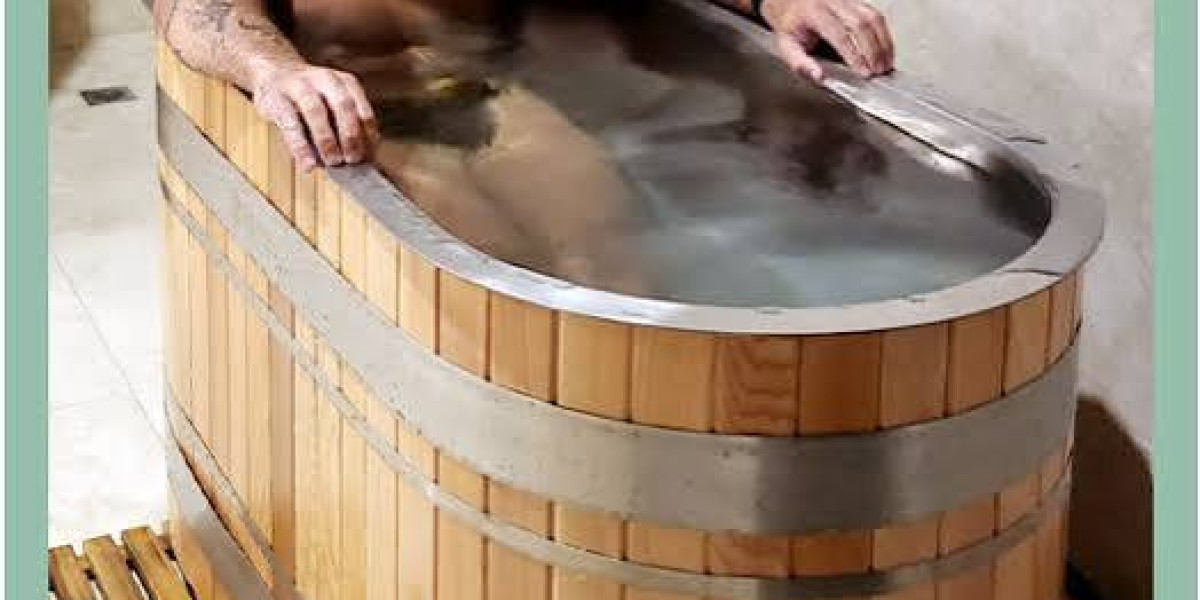

Contrast therapy is a recovery technique that alternates between exposure to heat and cold. It is commonly used by athletes and active people who want to feel less stiff, refresh tired muscles, or create a structured recovery routine.
A typical session might involve spending time in a sauna or hot bath followed by a brief cold shower or cold-water immersion. The process can then be repeated several times.
The appeal of contrast therapy is easy to understand: heat feels relaxing, while cold exposure creates a very different physical sensation. But its benefits should be considered realistically. Contrast therapy may help with perceived recovery and soreness, but it is not a replacement for sleep, nutrition, appropriate training, or medical treatment.
What Is Contrast Therapy?
Contrast therapy involves alternating hot and cold conditions during the same recovery session.
Heat exposure can cause blood vessels to widen and increase circulation to the skin and muscles. Cold exposure generally causes blood vessels to narrow and reduces skin temperature. Moving between the two creates repeated changes in temperature and vascular response.
Common forms of contrast therapy include:
Sauna followed by a cool shower
Hot bath followed by cold-water immersion
Warm shower followed by cold shower
Hot and cold recovery pools
Alternating heating and cooling treatments
The exact temperature, duration, and number of rounds can vary considerably.
How Does Contrast Therapy Work?
The body constantly works to maintain a stable internal temperature.
During heat exposure, blood flow toward the skin increases as the body attempts to release heat. Sweating also helps regulate temperature.
During cold exposure, the body responds by reducing heat loss and increasing other processes involved in maintaining core temperature.
Contrast therapy repeatedly switches between these environments. This produces noticeable changes in skin temperature, blood flow, and sensory perception.
However, the fact that these physiological changes occur does not automatically mean that contrast therapy provides dramatic long-term health benefits.
Potential Benefits of Contrast Therapy
May Reduce Perceived Muscle Soreness
One of the main reasons people use contrast therapy is to feel better after demanding exercise.
Alternating hot and cold exposure may help some people perceive less soreness or fatigue after strenuous activity. Research on contrast water therapy has found potential benefits for recovery measures, although results vary between studies.
The effect may be particularly useful when an athlete needs to feel physically ready for another training session or competition.
May Improve Feelings of Recovery
Recovery is partly subjective. Feeling less heavy, stiff, or tired can make it easier to return to normal activities after exercise.
Contrast therapy may provide this psychological and physical sense of recovery, even when changes in actual muscle damage or performance are relatively modest.
That distinction is important. Feeling better after a recovery session is valuable, but it does not necessarily mean the underlying tissues have completely recovered.
Can Promote Relaxation
Heat exposure can be deeply relaxing.
A warm bath or sauna may help loosen tense muscles and provide a quiet break after exercise. Following that with controlled cold exposure can create a stimulating sensation that some people find refreshing.
The overall routine can therefore become a useful way to transition from an intense workout into a recovery period.
May Temporarily Affect Circulation
Heat and cold produce different vascular responses.
Heat generally increases blood flow to the skin, while cold exposure causes peripheral blood vessels to constrict. Alternating between the two creates repeated changes in circulation.
Although this is one reason contrast therapy is often discussed in sports recovery, temporary changes in circulation should not be interpreted as proof that the technique treats cardiovascular disease or circulation disorders.
May Help You Feel More Alert
Cold exposure can create a strong stimulating sensation. A short cold shower after a warm session may leave some people feeling awake and energized.
This effect is partly related to the body's response to cold stress.
Not everyone enjoys this sensation, and longer or excessively cold exposure is not necessary to achieve the refreshing feeling many people seek.
Contrast Therapy for Athletes
Athletes often use contrast therapy during periods of heavy training or competition.
For example, someone participating in a tournament with multiple events over several days may be interested in strategies that help reduce the sensation of soreness between sessions.
Contrast therapy can be included alongside more fundamental recovery practices such as:
Adequate sleep
Sufficient food and protein
Proper hydration
Appropriate training loads
Active recovery
Rest days
Mobility work when appropriate
These fundamentals generally deserve more attention than any single recovery technique.
Contrast Therapy After Strength Training
Strength training produces temporary fatigue and muscle soreness, especially when training volume or intensity changes.
A contrast session may make some people feel more comfortable afterward. However, timing can matter depending on the goal of training.
Regularly using cold exposure immediately after resistance training may potentially interfere with some of the cellular processes involved in adaptation, particularly when the cold exposure is substantial and frequent.
If building muscle and strength is the primary goal, it may be reasonable to avoid relying heavily on immediate post-workout cold immersion unless there is a specific reason to use it.
Contrast Therapy After Endurance Exercise
Runners, cyclists, swimmers, and other endurance athletes may use heat and cold exposure as part of their recovery routines.
The main goal is usually to reduce perceived fatigue and soreness rather than to produce a specific therapeutic effect.
After a particularly long endurance session, however, hydration and adequate nutrition should take priority. Hot environments can increase fluid loss, so adding sauna exposure immediately after prolonged exercise requires additional caution.
A Simple Contrast Therapy Routine
There is no single scientifically established protocol that is ideal for everyone.
A beginner-friendly approach can involve:
Warm phase: 5–10 minutes of comfortable heat
Cool phase: 30–90 seconds of cool-to-cold water
Recovery: A few minutes at a comfortable temperature
Repeat the sequence two or three times if you tolerate it well.
The cold portion does not need to be painfully cold. Beginners can start with cool water and gradually adjust the temperature as they become more comfortable.
How Cold Should the Water Be?
Extremely cold water is not required.
Many people can experience the sensation of cold exposure with a cool shower or moderately cold bath. Very cold immersion places greater stress on the cardiovascular system and can be uncomfortable or risky for some individuals.
Rather than chasing the lowest possible temperature, focus on controlled exposure that you can tolerate safely.
How Hot Should the Heat Be?
The heat should be comfortable rather than extreme.
If you are using a sauna, follow the manufacturer's instructions and avoid staying inside for excessive periods. If you are using a hot bath or shower, choose a temperature that feels warm without causing dizziness, nausea, or excessive discomfort.
Heat exposure can increase sweating and fluid loss, so hydration is important.
Common Contrast Therapy Mistakes
Making the Cold Too Extreme
More intense cold does not automatically mean better recovery.
Extremely cold water can produce a strong cold-shock response, particularly when someone enters suddenly.
Staying in the Heat Too Long
Long sauna or hot-bath sessions can increase dehydration and overheating risk.
Ignoring Hydration
Alternating heat and cold can be physically demanding, especially when the heat portion causes significant sweating.
Using It Instead of Proper Recovery
Contrast therapy cannot compensate for consistently poor sleep, inadequate nutrition, or excessive training.
Doing It Immediately After Every Strength Workout
Frequent immediate cold exposure may not always be ideal for people focused on maximizing muscle growth and training adaptations.
Contrast Therapy vs. Cold Therapy
Cold therapy involves using cold exposure without alternating it with heat.
Cold showers, ice baths, and cold-water immersion are common examples.
Contrast therapy adds a warm phase before or between cold exposures. Some people prefer this because the heat can feel relaxing and the overall session may be more comfortable than repeated cold exposure alone.
Neither approach is universally appropriate for every training goal.
Contrast Therapy vs. Sauna
A sauna primarily provides heat exposure, while contrast therapy combines heat and cold.
Sauna sessions can be used independently for relaxation and heat exposure. Contrast therapy adds cold exposure afterward or between heat intervals.
The choice depends on your goals, preferences, tolerance, and health considerations.
Is Contrast Therapy Safe?
Contrast therapy is not appropriate for everyone.
Sudden cold exposure can sharply increase breathing, heart rate, and blood pressure. Heat exposure can also affect blood pressure and fluid balance.
People with cardiovascular disease, uncontrolled high blood pressure, circulation problems, conditions affecting temperature regulation, or other medical concerns should speak with a healthcare professional before using significant hot-and-cold exposure.
People taking medications that affect blood pressure, heart rate, hydration, or temperature regulation should also seek appropriate medical advice.
Signs You Should Stop
Stop the session if you experience symptoms such as:
Severe dizziness
Fainting or near-fainting
Chest pain
Difficulty breathing
Confusion
Severe weakness
Unusual heart palpitations
Uncontrollable shivering
Do not try to push through serious symptoms in the belief that a stronger recovery effect will result.
Frequently Asked Questions
What is contrast therapy?
Contrast therapy is a recovery method that alternates between heat and cold exposure, such as using a sauna followed by a cold shower or immersion.
Is contrast therapy good after a workout?
It may help some people feel less sore or fatigued after exercise. However, its benefits should be considered alongside more important recovery factors such as sleep, nutrition, hydration, and appropriate training.
How long should a contrast therapy session last?
There is no universal duration. Beginners can contrast therapy benefits start with short periods of comfortable heat and brief cold exposure, then adjust based on their response.
How many rounds of contrast therapy should you do?
Two or three rounds can provide a reasonable starting point. Longer sessions are not necessarily more effective.
Should beginners try ice baths?
Beginners should start cautiously. A cool shower can be a gentler introduction than immediately using extremely cold water.
Can contrast therapy help muscle soreness?
It may reduce the perception of soreness or fatigue for some people, particularly after demanding exercise. Individual responses vary.
Is contrast therapy good for muscle growth?
The answer depends partly on timing and frequency. Frequent substantial cold exposure immediately after resistance training may interfere with some training adaptations, so people prioritizing muscle growth should consider when they use cold therapy.
Can you do contrast therapy every day?
Some people may tolerate frequent sessions, but daily contrast therapy is not necessary for everyone. The appropriate frequency depends on the intensity of exposure and individual health and training demands.
Should you drink water during contrast therapy?
Hydration is particularly important when the heat portion causes substantial sweating. Drink fluids before and after the session and follow your body's hydration needs.
Is contrast therapy better than stretching?
They serve different purposes. Contrast therapy is primarily used as a recovery strategy, while stretching can help maintain or develop range of motion. Neither is a universal replacement for the other.
Final Thoughts
Contrast therapy combines heat and cold exposure into one recovery routine. It may help some people feel less sore, more relaxed, and refreshed after demanding physical activity.
Its effects should be kept in perspective. Contrast therapy is best viewed as an optional recovery tool rather than a substitute for sleep, nutrition, hydration, sensible training, and adequate rest.
If you choose to try it, start gradually, avoid extreme temperatures, stay hydrated, and pay attention to how your body responds. People with cardiovascular or other health conditions should seek professional guidance before beginning significant hot-and-cold exposure.
Contrast Therapy: Benefits, Methods, and Safety Tips
Đọc thêm


Bình luận











