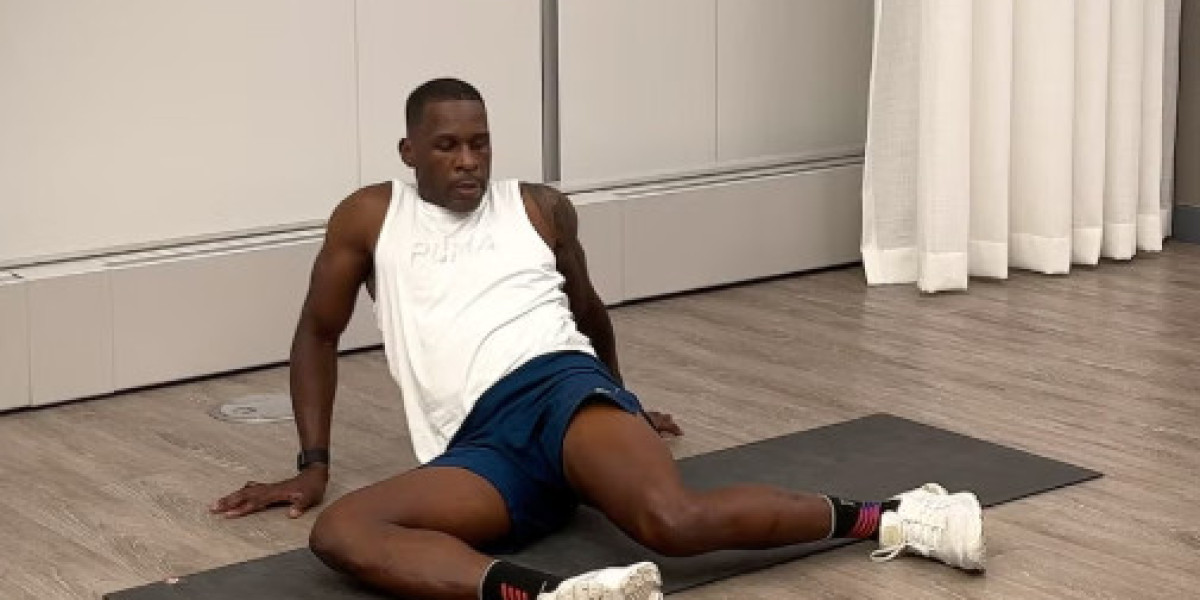

Hip mobility plays an important role in how comfortably and efficiently you move. Your hips are involved in walking, running, squatting, climbing stairs, lifting, and many everyday activities. When the hips feel stiff or restricted, other parts of the body may have to compensate, which can make certain movements feel awkward or uncomfortable.
The good news is that hip mobility can often be improved with consistent, controlled exercises. You do not need an advanced workout routine or expensive equipment. A few simple movements performed regularly can help you work through different ranges of motion while building control and stability.
What Is Hip Mobility?
Hip mobility refers to your ability to actively move the hip joint through its available range of motion while maintaining control. It is slightly different from flexibility.
Flexibility generally describes how much a muscle or joint can be stretched, while mobility combines range of motion, strength, coordination, and control. For example, someone may be able to passively stretch their hips into a deep position but struggle to actively control that same position.
Good hip mobility can make movements such as squats, lunges, and hip hinges feel smoother. It can also be useful for athletes, recreational exercisers, and people who spend much of the day sitting.
Why Hip Mobility Matters
Your hips are designed to move in several directions, including flexion, extension, rotation, abduction, and adduction. Regularly moving through these directions can help you maintain useful movement capacity.
Better hip mobility may make everyday activities more comfortable and can help you perform exercises with better technique. It may also make warm-ups more effective before activities that require running, jumping, lifting, or changing direction.
However, mobility is only one part of physical performance. Strength, balance, coordination, recovery, and appropriate exercise technique also matter.
Best Hip Mobility Exercises
You can include the following exercises in a warm-up, cool-down, or dedicated mobility routine. Move slowly and stay within a comfortable range.
90/90 Hip Rotations
The 90/90 position is a popular way to work on hip rotation.
Sit on the floor with one leg positioned in front of you and the other behind you, creating roughly 90-degree angles at the knees. Keep your torso tall and slowly rotate your knees from one side to the other.
Try to move from the hips rather than forcing the knees downward.
Perform 6–10 controlled repetitions per side.
Hip Circles
Hip circles are simple and require no equipment.
Stand while holding onto a stable surface if necessary. Lift one knee toward your chest and slowly move it outward, around, and back toward the starting position.
Keep your torso relatively still and make the movement controlled rather than using momentum.
Complete 5–10 circles in each direction per leg.
World's Greatest Stretch
This movement combines a hip-flexor stretch, hamstring movement, and upper-body rotation.
Start in a lunge position with one foot forward. Place both hands near the front foot, then bring the elbow of the same side toward the floor. Rotate your torso and reach that arm toward the ceiling.
Return to the starting position and switch sides.
Perform 4–6 controlled repetitions on each side.
Half-Kneeling Hip Flexor Stretch
The half-kneeling position can help you work on hip extension.
Place one knee on the floor and the opposite foot in front. Keep your torso upright and gently shift your hips forward while maintaining control.
Avoid simply arching your lower back to create the sensation of a deeper stretch. Instead, think about gently tucking your pelvis and moving through the hip.
Hold for approximately 20–30 seconds per side.
Adductor Rock-Backs
This exercise targets movement around the inner thigh and hip.
Start on your hands and knees. Extend one leg out to the side while keeping the foot on the floor. Slowly push your hips backward, then return to the starting position.
Keep the movement comfortable and controlled.
Perform 8–12 repetitions per side.
Cossack Squats
Cossack squats challenge hip mobility while also requiring strength and balance.
Stand with your feet wider than shoulder-width apart. Shift your weight toward one side and bend that knee while keeping the opposite leg relatively straight. Keep the heel of the bent leg grounded if your mobility allows.
Return to the center and repeat on the opposite side.
Start with a shallow range of motion and gradually increase it as your control improves.
Try 5–8 repetitions per side.
Frog Stretch
The frog stretch focuses on hip abduction and the inner thighs.
Begin on your hands and knees and gradually move your knees wider apart. Keep your lower legs positioned comfortably and slowly move your hips backward.
Do not force your knees into an extreme position. A mild to moderate stretch is enough.
Hold for 20–30 seconds or gently rock backward and forward several times.
Glute Bridge
Hip mobility is not just about stretching. The muscles surrounding the hips also need strength and control.
Lie on your back with your knees bent and feet flat on the floor. Push through your feet and lift your hips until your body forms a comfortable straight line from your shoulders toward your knees.
Pause briefly at the top and lower slowly.
Perform 8–15 repetitions.
Deep Squat Hold
A supported deep squat can help you practice hip, ankle, and lower-body mobility together.
Stand with your feet around shoulder-width apart and lower into a comfortable squat. You can hold onto a sturdy object for support.
Keep your heels grounded if possible and maintain a controlled position. Do not force yourself deeper than your mobility allows.
Hold for 15–30 seconds and repeat two or three times.
A Simple Hip Mobility Routine
You do not need to perform every mobility exercise in one session. A short routine can be enough.
Try this sequence:
Hip circles: 8 each direction per leg
90/90 rotations: 8 per side
Adductor rock-backs: 10 per side
Half-kneeling hip-flexor stretch: 20–30 seconds per side
Cossack squats: 6 per side
Glute bridges: 12 repetitions
Supported deep squat: 20–30 seconds
The entire routine can take around 10–15 minutes depending on your pace.
Hip Mobility Before a Workout
Before exercise, dynamic movements are generally more appropriate than spending a long time holding deep static stretches.
A pre-workout hip routine might include hip circles, 90/90 transitions, controlled lunges, bodyweight squats, and glute bridges.
The goal is to prepare your body for the movements you are about to perform rather than trying to achieve maximum flexibility immediately before training.
For example, someone preparing for a lower-body strength session could perform several controlled squats and lunges after completing their general warm-up.
Hip Mobility After Exercise
After training, you can use slower movements and comfortable static stretches if they feel good for you.
A post-workout routine might include the half-kneeling hip-flexor stretch, seated hip rotation positions, frog stretch, and a comfortable deep squat hold.
There is no need to force a stretch. Relaxed, consistent practice is generally more useful than trying to push into an extreme position.
How Often Should You Do Hip Mobility Exercises?
Consistency matters more than doing a long session once in a while.
Many people can incorporate light hip mobility work several times per week. A short five- to ten-minute routine may be easier to maintain than a demanding session.
You can also add a few movements to your normal warm-up. Over time, regularly practicing controlled ranges of motion may help you become more comfortable with movements that previously felt restricted.
Hip Mobility for People Who Sit a Lot
Long periods of sitting can make standing up and moving around feel stiff, although sitting itself does not necessarily mean that your hips are damaged or permanently tight.
If you spend much of your day at a desk, taking regular movement breaks can be helpful. Stand up, walk around, perform a few bodyweight squats, or gently move your hips through different directions.
A simple routine of hip circles, lunges, and hip-flexor movements can also be useful during the day.
Hip Mobility for Squats
Limited hip mobility is sometimes blamed when someone struggles with squatting, but squat mechanics depend on several factors.
Ankle mobility, hip structure, leg length, strength, balance, and individual anatomy can all influence how someone naturally squats.
Instead of forcing everyone into the same squat position, work on controlled movement and find a stance that suits your body.
Using a box or bench as a target can also help beginners practice squat depth while maintaining control.
Common Hip Mobility Mistakes
Forcing the Range of Motion
More range is not automatically better. Pushing aggressively into a stretch can cause discomfort and make the exercise less productive.
Moving Too Quickly
Mobility exercises work best when you can control the movement. Slow repetitions can help you understand where your current range begins and ends.
Ignoring Strength
Being able to reach a position is different from being able to control it. Exercises such as bridges, split squats, and controlled squats can complement mobility work.
Only Training One Direction
The hips move in multiple directions. Include rotation, flexion, extension, abduction, and adduction when appropriate.
Expecting Immediate Results
Mobility improvements usually require repeated practice. Individual results vary depending on training history, anatomy, activity level, and other factors.
When Should You Be Careful?
Mobility exercises should generally feel controlled and manageable. Sharp pain, significant joint pain, numbness, or symptoms that persist or worsen are reasons to stop the movement and seek appropriate professional advice.
If you have an existing hip injury, recent surgery, or a medical condition affecting your movement, speak with a qualified healthcare professional or physical therapist before starting a new mobility program.
Frequently Asked Questions
What are the best exercises for hip mobility?
Useful options include 90/90 rotations, hip circles, adductor rock-backs, hip-flexor stretches, Cossack squats, and controlled deep squats. The best choices depend on which movements feel restricted for you.
Can hip mobility exercises make you more flexible?
They can help improve your usable range of hip mobility stretches motion, particularly when mobility training is combined with consistent strength and movement practice.
How long does it take to improve hip mobility?
There is no fixed timeline. Some people notice changes in comfort and movement relatively quickly, while meaningful improvements in range and control may take longer.
Should I do hip mobility every day?
Light mobility work can often be performed frequently, but you do not necessarily need a long session every day. Adjust the frequency based on your training and how your body responds.
Can hip mobility help with squatting?
It can help you practice the range of motion needed for squatting, but squat mechanics are influenced by more than hip mobility alone.
Is stretching enough for hip mobility?
Not always. Mobility involves active control, so strengthening the muscles around the hips can be an important part of improving movement.
Can beginners do hip mobility exercises?
Yes. Beginners should start with simple movements, smaller ranges, and appropriate support before progressing to more demanding exercises.
Should hip mobility exercises hurt?
They should not require sharp or significant pain. Mild stretching or muscular effort can be normal, but painful movements should be stopped and reassessed.
Can I do hip mobility before running?
Yes. Controlled dynamic movements such as hip circles, lunges, and leg movements can be incorporated into a running warm-up.
What is the difference between hip mobility and hip flexibility?
Flexibility generally refers to available range of motion, while mobility includes the ability to actively control that range. Both can contribute to efficient movement.
Final Thoughts
Hip mobility is not about forcing your body into extreme positions. It is about developing comfortable, controlled movement through the ranges that you use in everyday life and exercise.
Exercises such as 90/90 rotations, hip circles, adductor rock-backs, hip-flexor stretches, Cossack squats, and glute bridges provide a practical starting point. Keep the movements controlled, practice consistently, and combine mobility work with strength training for a more complete approach to lower-body movement.
Hip Mobility Exercises: Improve Flexibility, Movement, and Strength
Đọc thêm


Bình luận












