
Lower back exercises can play an important role in building core strength, improving mobility, and supporting better movement throughout the day. Whether you spend hours sitting at a desk, stay active at the gym, or simply want to move more comfortably, strengthening the muscles around your lower back can be useful.
The key is choosing exercises that match your current fitness level and performing them with controlled movements. You do not need complicated equipment or an intense workout to get started. Many effective exercises can be performed at home using only your body weight.
Why Lower Back Exercises Matter
The lower back works together with the abdominal muscles, hips, glutes, and other parts of the core to stabilize your body. A balanced exercise routine can help strengthen these supporting muscles and improve how you perform everyday movements such as bending, lifting, walking, and standing.
Regular movement may also help prevent weakness caused by prolonged inactivity. However, exercise is not appropriate for every type of back problem. If you have significant pain, numbness, weakness, or an existing back condition, consider speaking with a healthcare professional before starting a new exercise routine.
Best Lower Back Exercises for Beginners
Bird Dog
The bird dog is a gentle bodyweight exercise that works the core, back, and hips while challenging your balance.
Start on your hands and knees with your hands beneath your shoulders and knees beneath your hips. Slowly extend your right arm forward while extending your left leg backward. Keep your hips level and avoid arching your lower back.
Hold the position briefly, then return to the starting position and switch sides.
Try 6–10 controlled repetitions on each side.
Glute Bridge
Strong glutes can help support proper movement around the hips and lower back. The glute bridge is a simple exercise that targets these muscles.
Lie on your back with your knees bent and feet flat on the floor. Keep your arms beside your body. Tighten your abdominal muscles and squeeze your glutes as you raise your hips from the floor.
Pause briefly at the top, then lower your hips slowly.
Start with 8–15 repetitions.
Cat-Cow Stretch
Cat-cow is a mobility exercise rather than a traditional strengthening movement. It can help you gently move the spine through a comfortable range of motion.
Begin on your hands and knees. Slowly round your back upward while gently drawing your abdomen inward. Then move gradually in the opposite direction, lifting your chest slightly and allowing your back to extend comfortably.
Move slowly instead of forcing the stretch.
Perform 6–10 repetitions.
Pelvic Tilts
Pelvic tilts are another beginner-friendly movement that teaches control of the lower back and abdominal muscles.
Lie on your back with your knees bent and feet on the floor. Gently tighten your stomach and tilt your pelvis so that your lower back moves closer to the floor.
Hold for a few seconds before relaxing.
Repeat 8–15 times.
Exercises for Building Lower Back Strength
Once basic movements feel comfortable, you can gradually add exercises that require more strength and control.
Dead Bug
The dead bug trains the core while requiring you to keep your torso stable.
Lie on your back with your knees bent and arms raised. Slowly lower one leg and the opposite arm toward the floor while keeping your lower back controlled. Return to the starting position and switch sides.
The movement should be slow and deliberate.
Hip Hinge
Learning to hinge at the hips is especially useful because it teaches you how to bend while keeping your spine in a stable position.
Stand with your feet approximately hip-width apart. Keep your back in a comfortable neutral position and push your hips backward while slightly bending your knees. Then drive your hips forward to return to standing.
Once you master the movement, a hip hinge can become the foundation for exercises such as deadlifts.
Superman
The Superman exercise targets the muscles along the back of the body.
Lie face down with your arms extended in front of you. Gently lift your arms and legs a small distance from the floor while keeping the movement controlled. Avoid trying to lift as high as possible.
Hold briefly and lower yourself slowly.
If this movement causes discomfort in your lower back, stop and try a gentler exercise instead.
Lower Back Mobility Exercises
Strength is only one part of maintaining healthy movement. Mobility exercises can also help you move your hips and spine comfortably.
Child's Pose
Kneel on the floor and slowly sit your hips toward your heels. Extend your arms forward and allow your torso to move toward the floor as far as comfortable.
Do not force the stretch. Hold for approximately 20–30 seconds if it feels comfortable.
Knee-to-Chest Stretch
Lie on your back with your legs extended. Bring one knee gently toward your chest and hold it with your hands. Keep the opposite leg relaxed.
After holding for several seconds, switch sides.
Some people find this movement comfortable as part of a gentle stretching routine.
Hip Flexor Stretch
Tight hips can affect how your pelvis and lower back move. A simple hip flexor stretch can be included in a mobility routine.
Start in a half-kneeling position with one foot in front. Keep your torso upright and gently move your hips forward until you feel a stretch toward the front of the opposite hip.
Avoid pushing into pain.
A Simple Lower Back Workout
You can combine several exercises into a short routine:
Bird dog: 8 repetitions per side
Glute bridge: 12 repetitions
Pelvic tilts: 10 repetitions
Dead bug: 6–8 repetitions per side
Hip hinge: 10 repetitions
Cat-cow: 8 repetitions
Complete one or two rounds depending exercises to strengthen lower back on your fitness level. Focus on controlled technique rather than completing as many repetitions as possible.
As you become stronger, you can gradually increase repetitions or add resistance when appropriate.
How Often Should You Do Lower Back Exercises?
There is no single schedule that works for everyone. Beginners may start with a few sessions per week and gradually build consistency.
Light mobility exercises can often be incorporated into daily movement, while strengthening exercises generally require recovery between challenging sessions.
The goal should be regular, controlled exercise rather than exhausting your back with high-volume workouts.
Common Mistakes to Avoid
One of the biggest mistakes is trying to progress too quickly. Adding heavy weights or large numbers of repetitions before learning proper technique can place unnecessary stress on the back.
Another common mistake is holding your breath during difficult movements. Try to breathe naturally and avoid unnecessary tension.
It is also important not to treat pain as something you simply have to push through. Muscle fatigue and mild exertion can be normal, but sharp, severe, or unusual pain is a reason to stop the exercise.
Finally, do not focus exclusively on the lower back. Your glutes, abdominal muscles, hips, and legs all contribute to stable and efficient movement.
Tips for Protecting Your Lower Back During Exercise
Good technique starts with controlled movement. Avoid jerking, bouncing, or rapidly changing positions.
When lifting something from the ground, use your hips and legs rather than repeatedly rounding your back. Keep objects close to your body when possible.
If you sit for long periods, take regular movement breaks. Standing up, walking around, and changing positions can help prevent prolonged inactivity.
A gradual approach is also important. If you are new to exercise, start with easier movements and increase the difficulty over time.
When to Get Professional Advice
Exercise can be helpful for many people, but persistent or severe back symptoms deserve professional attention.
Speak with a qualified healthcare professional if your back pain is severe, keeps returning, follows an injury, or interferes with normal activities. Seek prompt medical attention for concerning symptoms such as significant weakness, loss of bladder or bowel control, or numbness in areas where it would be unusual.
A physical therapist or other qualified professional can also help identify exercises that are appropriate for your individual needs.
Final Thoughts
Lower back exercises do not have to be complicated. Simple movements such as bird dogs, glute bridges, pelvic tilts, dead bugs, and hip hinges can help develop strength and control while mobility exercises can support comfortable movement.
Consistency matters more than intensity. Start at a level you can manage comfortably, focus on good technique, and gradually progress as your strength and confidence improve. A well-rounded routine that includes the lower back, core, hips, and legs can provide a more balanced approach to movement and fitness.
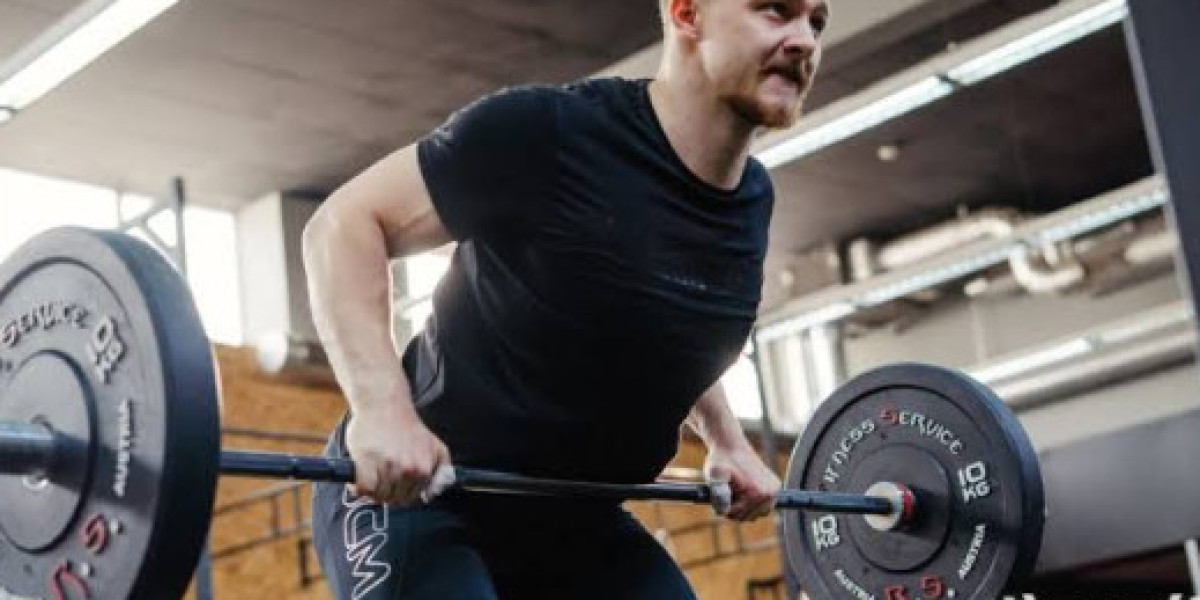
Lower Back Exercises: Simple Moves to Build Strength and Improve Mobility
Đọc thêm


Bình luận











