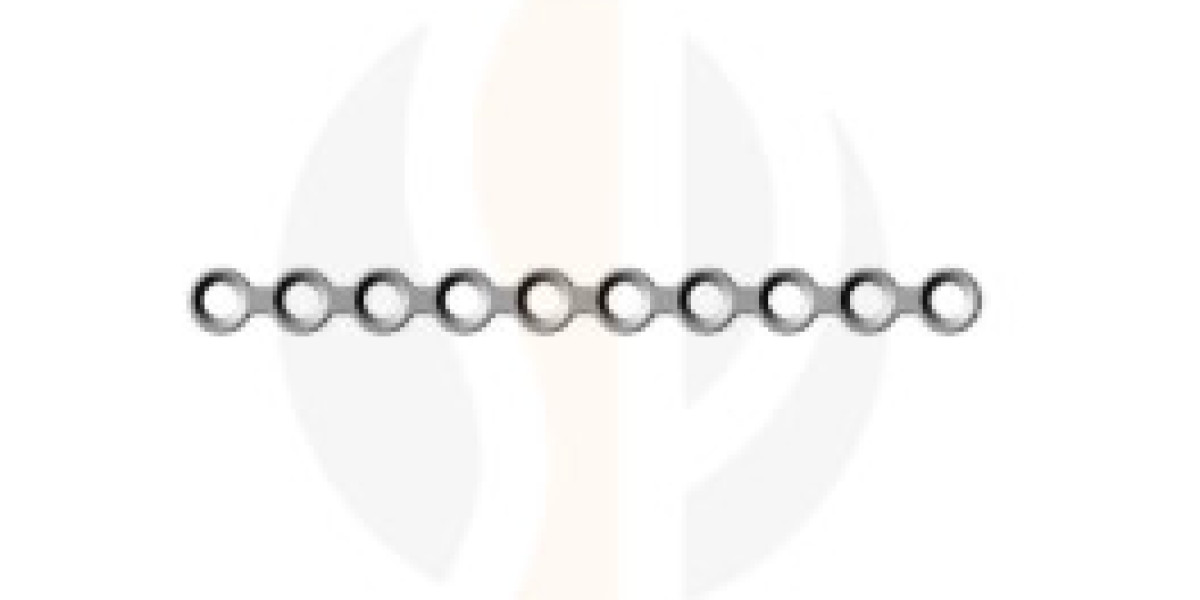

Orthopedic fixation systems are designed to provide stability to fractured or damaged bones during the healing process. Among the different types of fixation plates available for orthopedic procedures, straight plates are commonly used because of their simple configuration and versatility. The Straight Plate 12 Holes MST-26-12M is designed for orthopedic applications where a longer plate profile and multiple fixation points may be required.
Understanding the design, potential applications, and general considerations of this type of orthopedic plate can help medical professionals and healthcare organizations better evaluate fixation options for appropriate surgical procedures.
What Is the Straight Plate 12 Holes MST-26-12M?
The Straight Plate 12 Holes MST-26-12M is a straight orthopedic fixation plate featuring 12 holes for screw placement. Its extended configuration provides multiple potential fixation points along the length of the plate.
Straight plates are generally used to support fractured bone segments by maintaining alignment and providing mechanical stability during the healing period. The exact application depends on the anatomical location, fracture pattern, bone quality, and surgical technique selected by the orthopedic surgeon.
The 12-hole configuration can be useful when a longer fixation area is required compared with shorter plates.
Key Features of a 12-Hole Straight Plate
A multi-hole straight plate typically incorporates several features intended to support orthopedic fixation procedures.
12 Fixation Holes
The 12-hole configuration provides multiple locations for screw placement. Depending on the surgical plan, the available holes can allow the surgeon to select appropriate fixation points around the fracture.
Straight Plate Design
The straight configuration provides a relatively simple plate geometry. This design may be suitable for bone regions where a straight fixation profile is appropriate.
Extended Fixation Length
Compared with shorter plates, a 12-hole plate can cover a larger section of bone. This may be useful in selected fractures where fixation needs to extend beyond the immediate fracture area.
Multiple Screw Placement Options
Multiple holes provide flexibility when determining the number and position of screws used during fixation. The final screw configuration depends on factors such as fracture characteristics, bone anatomy, and the surgeon's preferred fixation technique.
Orthopedic Applications
The Straight Plate 12 Holes MST-26-12M may be considered for orthopedic fixation applications where a longer straight plate is appropriate.
Its potential use depends on the anatomical site and the characteristics of the fracture. Orthopedic fixation plates can be used in procedures involving fractures where maintaining bone alignment and stability is an important part of treatment.
Before selecting a plate, surgeons generally consider the patient's anatomy, fracture type, bone quality, required fixation length, and the mechanical demands placed on the affected area.
How Straight Plates Support Bone Fixation
During orthopedic fixation, a plate can function as a structural support positioned along the bone. Screws are used to secure the plate to the bone and help maintain the desired relationship between bone segments.
A multi-hole plate provides several possible fixation locations. This allows the surgeon to determine an appropriate screw arrangement based on the fracture pattern and surgical objective.
The fixation construct must be selected and applied according to established orthopedic principles and the manufacturer's instructions for the specific implant system.
Considerations When Selecting an Orthopedic Plate
Selecting an appropriate fixation plate involves more than simply choosing the number of holes. Several factors should be considered before using a product such as the Straight Plate 12 Holes MST-26-12M.
Fracture Pattern
The location, shape, and complexity of a fracture can influence the type and length of plate required. More complex fractures may require different fixation strategies than simple fractures.
Bone Anatomy
The shape and dimensions of the target bone should be evaluated to determine whether the plate configuration is suitable for the intended anatomical location.
Bone Quality
Bone density and quality can influence screw fixation and the overall stability of the construct. Patient-specific factors should therefore be considered during implant selection.
Plate Length
A 12-hole plate provides an extended fixation area. The appropriate plate length depends on the fracture and the amount of bone that needs to be stabilized.
Surgical Technique
The implant should be used according to the appropriate surgical technique and manufacturer-provided instructions. Proper positioning, screw selection, and fixation technique are important parts of the overall procedure.
Advantages of Multiple-Hole Fixation Plates
Multiple-hole plates can provide surgeons with greater flexibility when planning fixation. The additional holes can allow different screw positions to be considered according to the fracture and available bone.
A longer plate may also distribute fixation across a greater portion of the bone rather than concentrating fixation around a small area. However, the appropriate configuration should always be determined based on the specific clinical situation.
The Straight Plate 12 Holes MST-26-12M is therefore a potential option for procedures where a straight, extended fixation plate with multiple screw locations is required.
Material and Compatibility
The material, dimensions, hole specifications, and compatibility of an orthopedic plate are important considerations before clinical use. Healthcare professionals should verify the technical specifications provided by the manufacturer or supplier.
Compatibility with the appropriate screws and instrumentation should also be confirmed before a surgical procedure. Using implants and instruments from an appropriate compatible system helps support proper surgical planning and implant handling.
Importance of Proper Surgical Planning
Orthopedic implants are selected according to individual patient and fracture requirements. A fixation plate should not be selected solely based on its length or number of holes.
Preoperative imaging and clinical assessment can help determine the fracture characteristics and anatomical requirements. Surgeons can then select an implant configuration that corresponds to the intended fixation strategy.
For the Straight Plate 12 Holes MST-26-12M, healthcare professionals should review the manufacturer's specifications, available instrumentation, and approved indications before use.
Frequently Asked Questions
What is the Straight Plate 12 Holes MST-26-12M?
The Straight Plate 12 Holes MST-26-12M is a straight orthopedic fixation plate featuring 12 holes for potential screw fixation. Its extended design can be considered for selected orthopedic fixation procedures.
What are 12-hole orthopedic plates used for?
Twelve-hole orthopedic plates can be used when a longer fixation area and multiple screw placement options are required. The specific application depends on the bone, fracture pattern, and surgical plan.
Can the Straight Plate 12 Holes MST-26-12M be used for every fracture?
No. Implant selection is patient- and fracture-specific. The appropriate plate depends on anatomical location, fracture characteristics, bone quality, and the surgeon's treatment plan.
Why does an orthopedic plate have multiple holes?
Multiple holes provide different potential screw positions. This can give the surgeon greater flexibility when creating a fixation construct appropriate for the fracture.
What should be checked before using this orthopedic plate?
Healthcare professionals should verify the plate's dimensions, material, hole specifications, compatible screws and instruments, indications, and manufacturer instructions before clinical use.
Conclusion
The Straight Plate 12 Holes MST-26-12M is a multi-hole straight orthopedic fixation plate designed for situations where an extended fixation profile and multiple screw placement options may be required. Its 12-hole configuration provides flexibility for selected orthopedic procedures while allowing fixation to extend across a larger section of bone.
As with any orthopedic implant, proper patient assessment, fracture evaluation, implant compatibility, and surgical planning are essential. Medical professionals should always follow the manufacturer's technical documentation and established surgical protocols when selecting and using orthopedic fixation products.