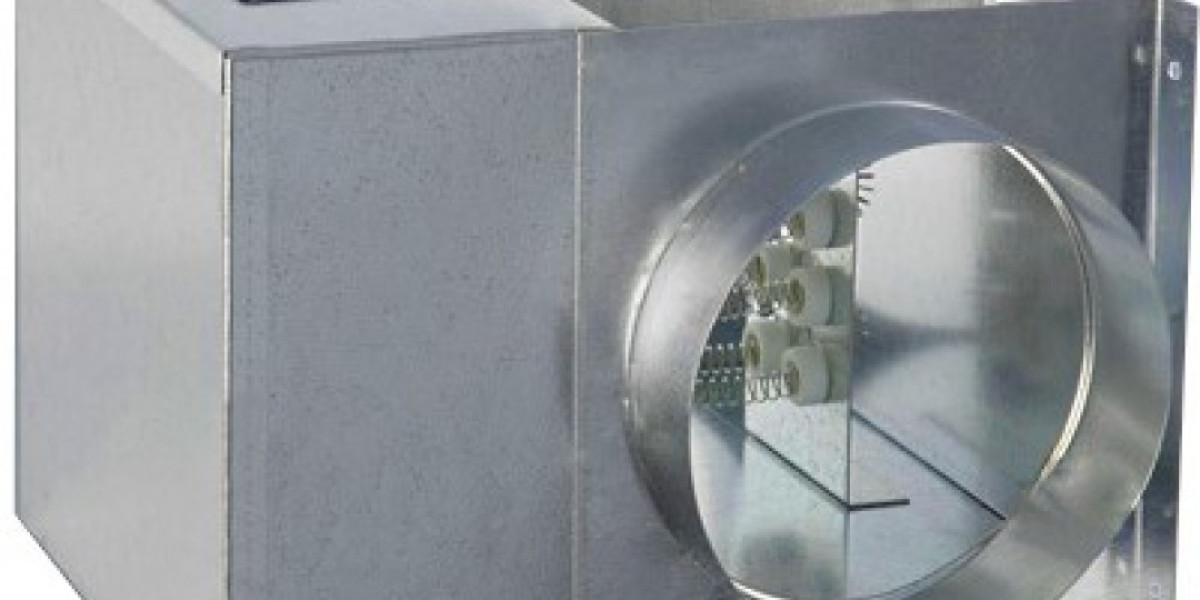

Modern residential buildings are increasingly focused on energy efficiency and sustainable design, often resulting in tightly sealed interiors where adequate ventilation requires careful consideration. A fresh air heat recovery unit offers a practical approach by combining ongoing air exchange with improved energy management. These systems capture heat from stale outgoing air and transfer it to incoming fresh air, helping maintain more consistent indoor temperatures while reducing unnecessary thermal losses. This process allows households to support healthier indoor air conditions without placing excessive demands on heating and cooling systems. Integrating heat recovery technology can therefore help balance environmental considerations with indoor comfort, creating more efficient and well-ventilated living spaces suited to contemporary residential needs.
Supporting Consistent Fresh Air within Residential Interiors
Maintaining regular access to fresh air plays an important role in creating comfortable and healthy conditions inside modern residences. As homes receive greater insulation to improve energy efficiency, suitable ventilation becomes increasingly important for maintaining balanced indoor conditions. Insufficient airflow can allow stale air to build up, contributing to excessive moisture, airborne contaminants, and unwanted odours that may affect the property and household wellbeing.
A fresh air heat-recovery unit can address these issues by supplying filtered outdoor air while simultaneously removing stale indoor air. This continuous exchange can improve indoor air conditions while helping regulate temperatures without creating unnecessary energy demands. By managing airborne allergens and excess humidity, these systems can support a cleaner and more balanced atmosphere throughout residential spaces.
Reducing Residential Energy Demands through Heat Recovery
Heat recovery technology can play an important role in supporting efficient and sustainable home environments. It enables ongoing ventilation while retaining valuable thermal energy that would otherwise leave the property. By transferring warmth from outgoing indoor air to incoming fresh air, the process can reduce the energy required to maintain comfortable temperatures, particularly throughout colder periods.
These systems can contribute to steadier indoor temperatures within well-insulated properties while limiting discomfort associated with draughts and uneven airflow. Heat recovery can also support ongoing energy efficiency by reducing reliance on conventional heating equipment and helping lower overall energy requirements. Retaining usable thermal energy simultaneously reduces avoidable heat losses and contributes to more resource-conscious household operation.
Factors to Consider When Selecting a Heat Exchange Ventilation System
Selecting an appropriate heat exchange ventilation system requires consideration of the property's specific ventilation demands and performance requirements. The chosen system should facilitate effective heat transfer between outgoing and incoming air while maintaining controlled energy use and consistent indoor conditions. Property dimensions, insulation standards, and required airflow rates can all influence how effectively the system performs.
Durability and servicing requirements also warrant attention, as routine maintenance can help maintain reliable operation over time. Noise output and energy efficiency are additional considerations, particularly for residential environments where quiet operation is desirable. The ventilation system should correspond with the property's airflow requirements while integrating appropriately with existing building infrastructure.
When correctly selected and installed, a heat-exchange ventilation system can contribute to improved indoor air conditions, reduced energy requirements, and enhanced household comfort. Appropriate planning helps ensure reliable performance while allowing the system to address the particular ventilation characteristics of the residence.
Promoting Natural Improvements in Indoor Air Quality
Maintaining good indoor air quality is essential for supporting a healthy and comfortable residential environment. A fresh air heat-recovery system assists by continuously introducing filtered outdoor air while removing stale air from inside the property. This process can reduce concentrations of indoor pollutants, including allergens, dust, and volatile organic compounds, which may affect occupant wellbeing.
The system can also help regulate humidity levels, reducing the likelihood of damp conditions that may contribute to mould growth or other property concerns. Unlike conventional ventilation approaches, these systems can operate without creating significant temperature fluctuations or draughts, helping maintain a consistent and comfortable indoor climate.
Through the combination of filtration and heat-exchange technology, these systems can support a cleaner and more balanced atmosphere within modern energy-efficient homes. Continuous air renewal can also improve airflow circulation while reducing the accumulation of airborne contaminants in enclosed indoor spaces.
Preserving Thermal Energy during Ventilation
Minimising heat loss during ventilation is important for maintaining energy efficiency in modern homes. Conventional ventilation methods can allow warm indoor air to escape without recovering its stored thermal energy. Heat-recovery systems address this issue by capturing warmth from outgoing air and transferring it to incoming fresh air, helping prevent valuable heat from being wasted. This process can maintain comfortable indoor temperatures while reducing dependence on heating systems, which may lower energy consumption and associated costs.
By retaining thermal energy within the ventilation process, these systems allow homes to remain efficient and environmentally responsible, particularly throughout colder periods. Consistent temperature regulation can also improve comfort without requiring excessive heating. Heat-recovery technology therefore provides a practical approach to sustainable ventilation while supporting energy conservation and a more stable indoor climate.
Improving Household Energy Performance through Air Heat Recovery
Air heat recovery can contribute to reduced energy requirements across residential properties. By recovering thermal energy from outgoing indoor air and transferring it to incoming fresh air, these systems can reduce the amount of additional heating needed to maintain comfortable conditions. This can lessen dependence on conventional heating equipment while helping manage energy consumption and associated costs. Lower energy requirements may also contribute to reduced greenhouse gas emissions, supporting more environmentally responsible household practices.
Maintaining stable indoor temperatures allows energy resources to be used more effectively, contributing to improved residential performance. These systems are particularly compatible with modern, well-insulated properties by providing controlled ventilation without sacrificing comfort. Air heat-recovery technology can therefore support thermal efficiency by combining energy conservation with the ongoing need for fresh and comfortable indoor conditions.
Maintaining Balanced Airflow throughout the Home
Consistent airflow across a residence contributes to a stable and comfortable indoor environment. Heat-recovery systems manage the movement of indoor and outdoor air while helping limit abrupt changes in temperature. Controlled ventilation can minimise stagnant conditions, uneven warmth, and excessive moisture, which may otherwise encourage dampness and associated concerns within the property.
Regulated air movement can also help reduce concentrations of airborne contaminants and allergens, contributing to cleaner indoor conditions. Maintaining balanced air pressure helps prevent certain rooms from receiving too much or too little ventilation, supporting more uniform airflow throughout the residence.
This capability is especially relevant to highly insulated homes where natural air movement may be restricted. Incorporating heat-recovery technology can provide ventilation that supports indoor comfort, energy performance, and air quality while accommodating the requirements of contemporary residential construction.
Exploring the Benefits of a Fresh Air Heat Exchanger for Homes
A fresh air heat exchanger offers an effective method for maintaining comfortable and energy-conscious conditions within residential spaces. The system replaces stale indoor air with fresh outdoor air, helping provide a continuous supply of cleaner air throughout the property.
Transferring heat between outgoing and incoming air can reduce additional heating requirements while helping manage energy consumption and operating costs. Effective filtration may also limit airborne pollutants and allergens, supporting better indoor air conditions. The process can assist with humidity management, helping reduce environments that may encourage dampness and mould development.
Unlike conventional ventilation methods, a fresh air heat exchanger can provide controlled airflow while limiting substantial temperature changes as outdoor conditions vary. Its relatively compact configuration can also support practical integration within residential properties, making it suitable for modern homes seeking improved ventilation alongside more responsible energy use.
Managing Indoor Temperatures across Changing Seasons
A fresh air heat-recovery unit can support more consistent indoor temperatures throughout different seasons. By responding to changes in outdoor conditions, these systems provide an adaptable approach to residential climate management. During colder periods, thermal energy from outgoing air can be recovered to pre-warm incoming fresh air, reducing the need for additional heating.
During warmer conditions, the system continues to provide ventilation while helping maintain comfortable indoor conditions and reducing unnecessary pressure on cooling equipment. This flexibility allows temperature management to remain more energy conscious across different weather conditions. The technology can support well-ventilated interiors without creating substantial draughts or abrupt temperature variations.
Efficient operation makes these systems suitable for contemporary homes where energy conservation is an important consideration. By maintaining controlled airflow and effective heat exchange, they can contribute to a stable indoor environment while helping households manage energy consumption throughout the year.
Managing Roof-Space Airflow with Residential Roof Ventilation Systems
Residential roof ventilation systems can contribute to effective airflow within residential properties, particularly when used alongside heat-recovery technology. These systems help remove accumulated heat and moisture from roof spaces, reducing conditions that may contribute to condensation and moisture-related structural issues. Allowing warm air to escape during hotter periods while supporting suitable conditions during colder weather can improve overall thermal management.
When combined with heat-recovery systems, roof ventilation can contribute to more effective air exchange throughout the residence while supporting energy performance and indoor air quality. Appropriate roof-space airflow can also help protect building materials by reducing prolonged exposure to moisture. Together, roof ventilation and heat-recovery technology can provide a coordinated approach to supporting comfort, efficiency, and sustainable operation within modern residential properties.
Creating Cleaner Indoor Environments
Heat-recovery systems can support healthier residential environments by providing continuous air circulation and filtration. These systems help remove indoor pollutants such as dust, allergens, and volatile organic compounds that may accumulate in enclosed areas. By supplying a steady flow of fresh, filtered air, they can help maintain cleaner indoor conditions. Humidity management also assists with controlling excess moisture, reducing conditions that may contribute to dampness, mould, and mildew while supporting occupant wellbeing.
This function can be especially beneficial in highly insulated homes where natural airflow is limited. Advanced filtration features can further reduce airborne contaminants and contribute to improved indoor air quality. Through consistent operation, heat-recovery systems can help maintain a balanced and comfortable atmosphere, supporting healthier living conditions suited to modern household requirements.
Conclusion
A fresh air heat recovery unit can support comfortable residential environments by combining continuous ventilation with thermal energy recovery. During operation, heat from extracted indoor air can be transferred to incoming outdoor air, helping moderate indoor temperatures without unnecessary energy loss. Filtration and moisture control can further contribute to cleaner and more balanced household conditions. By reducing the demand placed on heating and cooling equipment, these systems may also help manage ongoing energy consumption. Heat-recovery ventilation therefore provides a practical option for households seeking improved indoor comfort alongside more energy-conscious residential operation.
FAQs
Can heat-recovery ventilation be installed in existing properties?
Heat-recovery ventilation can be incorporated into existing homes where sufficient space is available for the required equipment, ductwork, and other installation components.
How can residential ventilation contribute to household performance?
Residential ventilation can support household performance by improving air circulation, managing excess moisture, and helping maintain more consistent indoor conditions alongside other building systems.
Why does a fresh air heat recovery unit support sustainable living?
A fresh air heat recovery unit transfers thermal energy from outgoing air to incoming fresh air, which can reduce heating demand and help limit unnecessary energy consumption.
What maintenance is needed for heat-recovery ventilation systems?
Routine maintenance commonly includes replacing or cleaning filters and checking system components. Periodic professional servicing can also help maintain airflow, efficiency, and dependable operation.
Related Business Listings |












