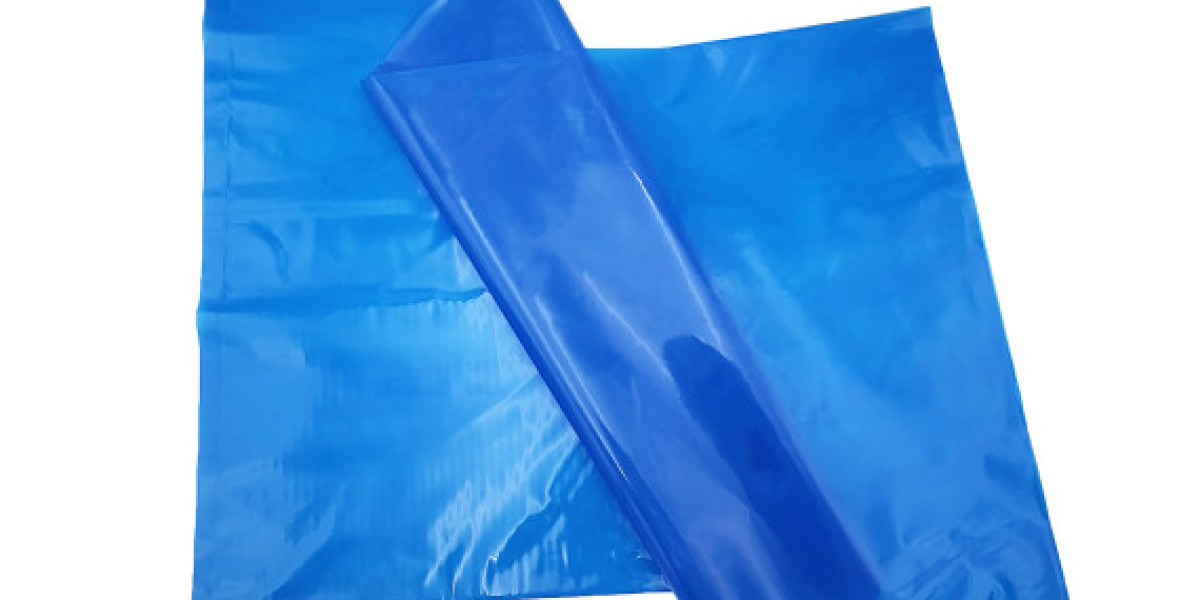

LDPE bags are widely used packaging products known for their flexibility, durability, and moisture-resistant properties. Made from Low-Density Polyethylene, these bags are suitable for a wide range of industries, including retail, food packaging, manufacturing, healthcare, agriculture, and e-commerce.
Businesses choose LDPE bags because they provide lightweight protection while maintaining strength and convenience. Their ability to resist moisture, chemicals, and impact makes them a practical option for storing, protecting, and transporting different types of products.
From small retail packaging to large industrial applications, LDPE bags are available in various sizes, thicknesses, and designs to meet different requirements. This guide explains what LDPE bags are, their benefits, common uses, types, and how to select the right option for your business.
What Are LDPE Bags?
LDPE bags are plastic bags manufactured from Low-Density Polyethylene, a flexible thermoplastic material known for its softness and durability.
The manufacturing process involves heating LDPE resin and forming it into thin, flexible sheets that are converted into bags of different sizes and designs.
Unlike rigid plastic packaging, LDPE bags offer excellent flexibility, allowing them to hold products of different shapes and sizes. They provide protection against moisture, dust, and contamination while remaining lightweight and easy to handle.
LDPE bags are commonly used for packaging products that require a clean, protective, and cost-effective solution.
Why Are LDPE Bags Popular?
The popularity of LDPE bags comes from their combination of strength, flexibility, and affordability. Many industries require packaging that protects products without adding unnecessary weight or cost.
LDPE bags provide several useful features:
• Flexible and easy to handle
• Resistant to moisture and chemicals
• Lightweight packaging option
• Suitable for different industries
• Available in multiple sizes and thicknesses
• Easy to customize with printing and branding
These qualities make LDPE bags a preferred choice for businesses that need reliable packaging solutions.
Key Features of LDPE Bags
LDPE bags have several characteristics that make them suitable for everyday and industrial packaging needs.
High Flexibility
One of the main advantages of LDPE material is its flexibility. LDPE bags can stretch slightly without tearing, making them suitable for packaging products with different shapes.
This flexibility helps businesses pack items quickly while reducing the risk of damage during handling.
Moisture Resistance
LDPE bags provide excellent protection against moisture. They help keep products dry and protected from humidity, water exposure, and accidental spills.
This feature makes them useful for packaging:
• Food products
• Clothing items
• Industrial components
• Electronic accessories
• Medical supplies
Lightweight Design
LDPE bags are lightweight compared to many other packaging materials. Their low weight helps reduce transportation costs while making them easier for customers and employees to carry.
Strong and Durable Material
Although LDPE bags are lightweight, they offer good durability. They can handle regular handling, storage, and transportation without easily breaking.
The thickness of the bag determines its strength and suitability for different applications.
Chemical Resistance
LDPE material has good resistance to many chemicals, making these bags suitable for industries where products may require additional protection from external substances.
Types of LDPE Bags
LDPE bags are available in different styles depending on product requirements and industry applications.
Flat LDPE Bags
Flat LDPE bags are simple, open-top bags commonly used for general packaging purposes.
They are suitable for:
• Small products
• Spare parts
• Clothing items
• Retail packaging
Their simple design makes them easy to use and economical.
LDPE Zip Lock Bags
Zip lock LDPE bags include a resealable closure system that allows repeated opening and closing.
They are commonly used for:
• Food storage
• Small components
• Office supplies
• Personal items
The resealable feature provides convenience and helps protect contents from dust and moisture.
LDPE Gusset Bags
Gusset bags include extra side or bottom space that allows them to hold larger products.
They are often used for:
• Bulk packaging
• Industrial products
• Large items
Their expanded design provides additional capacity compared to standard flat bags.
LDPE Printed Bags
Printed LDPE bags allow businesses to add logos, product information, or branding elements.
They are commonly used by:
• Retail stores
• Food businesses
• E-commerce brands
• Promotional companies
Custom printing helps businesses improve brand visibility while providing functional packaging.
LDPE Shrink Bags
LDPE shrink bags are designed to tighten around products when heat is applied.
They are commonly used for:
• Product protection
• Bundling items
• Retail packaging
Shrink packaging provides a clean appearance and helps secure products during transportation.
Common Applications of LDPE Bags
LDPE bags are used across many industries because of their versatility and protective qualities.
Food Packaging Industry
The food industry widely uses LDPE bags because they provide a clean barrier against moisture and contamination.
They are used for packaging:
• Bakery products
• Frozen foods
• Fruits and vegetables
• Snacks
• Ingredients
Food-grade LDPE bags help maintain product quality while providing convenient storage.
Retail and Shopping Businesses
Retail businesses use LDPE bags for packaging customer purchases.
They are commonly used in:
• Clothing stores
• Supermarkets
• General retail shops
• Gift stores
Their lightweight design and customizable options make them practical for businesses of all sizes.
E-Commerce Packaging
Online businesses require packaging that protects products during delivery.
LDPE bags are commonly used for shipping:
• Clothing
• Accessories
• Small household products
• Soft goods
Their moisture resistance helps protect items during transportation.
Manufacturing and Industrial Use
Manufacturing industries use LDPE bags for storing and protecting components, tools, and materials.
Common applications include:
• Machine parts
• Hardware items
• Raw materials
• Industrial supplies
LDPE bags help prevent dust, moisture, and contamination.
Healthcare and Medical Applications
Healthcare industries use specialized LDPE bags for packaging and protecting various items.
Applications include:
• Medical supplies
• Disposable products
• Laboratory materials
These bags help maintain cleanliness and organization in controlled environments.
Agriculture and Farming
LDPE bags are also used in agricultural applications for storing and protecting different materials.
They may be used for:
• Seeds
• Fertilizers
• Agricultural products
• Farm supplies
Their moisture resistance helps protect contents from environmental conditions.
Benefits of Using LDPE Bags
Businesses choose LDPE bags because they provide several practical advantages.
Cost-Effective Packaging Solution
LDPE bags are affordable compared with many other packaging materials.
Their low production cost makes them suitable for businesses that require packaging in large quantities.
Protects Products During Storage and Transport
LDPE bags create a protective layer around products, reducing exposure to dust, moisture, and external damage.
This helps maintain product quality from manufacturing to final delivery.
Easy Storage and Handling
Because LDPE bags are lightweight and flexible, they require less storage space compared with rigid packaging options.
Businesses can store large quantities without requiring significant warehouse space.
Customizable Options
LDPE bags can be customized according to business needs.
Customization options may include:
• Printed logos
• Different colors
• Various sizes
• Thickness adjustments
• Special closures
This makes them useful for branding and product presentation.
Environmentally Responsible Options
Many manufacturers now offer recyclable LDPE bags and improved production methods to reduce environmental impact.
Businesses can select recyclable options and implement proper recycling practices to support sustainability goals.
How to Choose the Right LDPE Bags
Selecting the correct LDPE bags depends on the product, application, and required protection level.
Consider Bag Thickness
Thickness is an important factor when choosing LDPE bags.
Thin bags are suitable for lightweight products, while thicker bags provide better durability for heavier items.
The right thickness depends on:
• Product weight
• Handling conditions
• Transportation requirements
Select the Appropriate Size
The bag size should match the product dimensions.
A properly sized bag provides better protection and improves packaging efficiency.
Consider:
• Product length
• Product width
• Required extra space
Choose the Right Closure Type
Different applications require different closure options.
Common choices include:
• Open top
• Zip lock
• Heat seal
• Drawstring closure
The best option depends on how frequently the package needs to be opened and closed.
Check Material Quality
High-quality LDPE bags provide better strength, clarity, and durability.
Businesses should choose reliable suppliers that provide consistent material quality for their packaging needs.
Consider Custom Printing Requirements
For businesses using packaging as part of their branding strategy, printed LDPE bags can help create a professional appearance.
Custom designs can include company logos, product details, and marketing messages.
LDPE Bags vs HDPE Bags
LDPE and HDPE bags are both made from polyethylene but have different characteristics.
LDPE bags are softer, more flexible, and offer better stretchability. They are commonly used when flexibility and appearance are important.
HDPE bags are usually stiffer and provide higher strength for certain applications.
LDPE bags are often preferred for:
• Flexible packaging
• Retail products
• Food packaging
• Products requiring a softer material
HDPE bags are commonly used for:
• Grocery bags
• Heavy-duty packaging
• Industrial applications
The best choice depends on the product and required performance.
Proper Storage of LDPE Bags
Proper storage helps maintain the quality and performance of LDPE bags.
Recommended practices include:
• Store bags in a dry environment
• Avoid direct sunlight exposure
• Keep away from extreme temperatures
• Protect from sharp objects
Good storage conditions help prevent damage and maintain material quality.
Industries That Benefit From LDPE Bags
LDPE bags are suitable for many businesses, including:
• Food manufacturers
• Retail stores
• E-commerce companies
• Healthcare providers
• Pharmaceutical businesses
• Industrial manufacturers
• Agricultural suppliers
• Packaging companies
Their flexibility and protective features make them useful across different sectors.
Why Businesses Prefer LDPE Bags for Packaging
Packaging plays an important role in protecting products and improving customer experience. LDPE bags offer a balance between affordability, protection, and convenience.
Businesses prefer LDPE bags because they provide:
• Reliable product protection
• Easy handling
• Low packaging costs
• Customization opportunities
• Wide application options
Whether used for retail packaging or industrial storage, LDPE bags offer a practical solution for many packaging challenges.
Frequently Asked Questions About LDPE Bags
What are LDPE bags made from?
LDPE bags are made from Low-Density Polyethylene, a flexible plastic material known for durability, moisture resistance, and lightweight properties.
Are LDPE bags waterproof?
Yes, LDPE bags are resistant to moisture and help protect products from water, humidity, and liquid exposure.
Are LDPE bags recyclable?
Many LDPE bags can be recycled through appropriate recycling programs. Businesses can choose recyclable options to support sustainability efforts.
What industries use LDPE bags?
LDPE bags are used in food packaging, retail, healthcare, manufacturing, agriculture, and e-commerce industries.
Can LDPE bags be customized?
Yes, LDPE bags can be customized with different sizes, colors, thicknesses, and printed branding designs.
Are LDPE bags suitable for food packaging?
Food-grade LDPE bags are commonly used for packaging various food products because they provide protection against moisture and contamination.
What is the difference between LDPE and HDPE bags?
LDPE bags are softer and more flexible, while HDPE bags are generally stiffer and stronger. The choice depends on the packaging requirements.
Conclusion
LDPE bags are a versatile packaging solution that combines flexibility, durability, and moisture resistance. Their wide range of applications makes them suitable for industries such as food, retail, healthcare, manufacturing, and e-commerce.
From protecting products during transportation to improving storage efficiency, LDPE bags provide a practical and affordable packaging option for businesses of all sizes.
By choosing the right thickness, size, material quality, and design, companies can use LDPE bags to improve product protection while meeting their specific packaging needs.