
Returning to Work After Arm Lift Surgery
Undergoing a brachioplasty, or arm lift, is a wonderful step toward achieving sculpted, firm upper arms. However, because the procedure involves significant skin excision and tissue redraping in an area of the body subject to constant motion, planning your return to work requires careful consideration of your job duties, physical activity levels, and healing timeline.
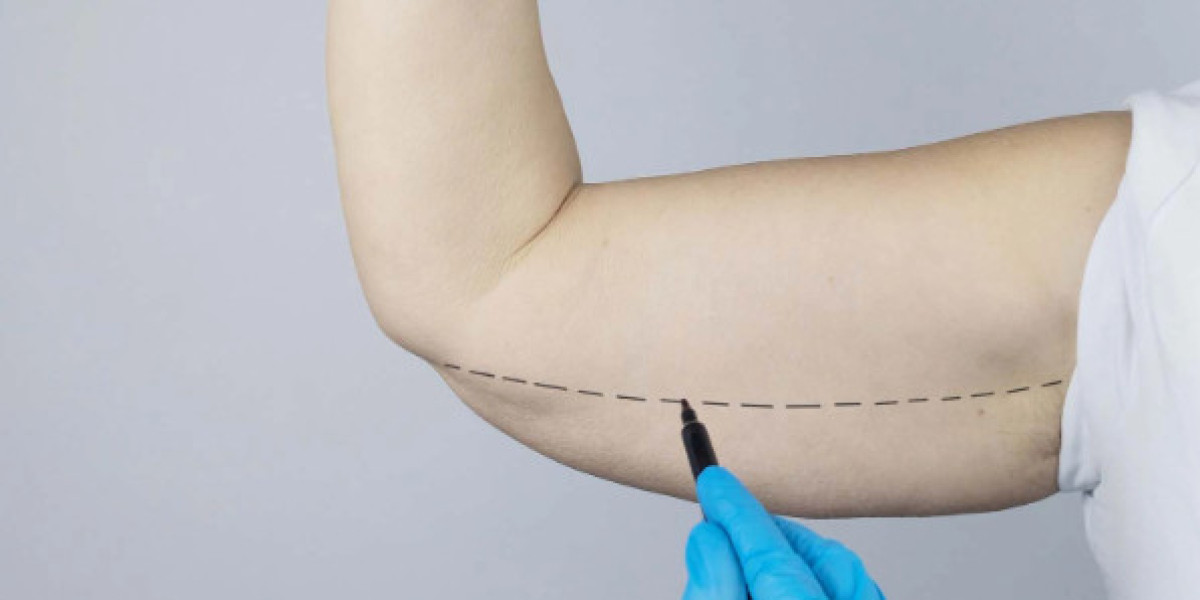
Arm lift surgery in Jeddah is a cosmetic procedure designed to improve the appearance of sagging skin and excess tissue around the upper arms.
For patients in Jeddah balancing professional responsibilities with recovery, understanding when and how to return to work ensures a seamless transition without compromising your surgical results.
1. General Timeline for Returning to Work
Your return-to-work timeline depends almost entirely on the physical demands of your occupation:
Sedentary / Desk-Based Jobs (Remote or In-Office): Most patients with desk jobs can comfortably return to work within 10 to 14 days post-surgery. By this time, early grogginess from anesthesia has worn off, initial incision tenderness has stabilized, and you can comfortably manage light typing or computer work while wearing your compression garments.
Jobs Involving Light Activity or Movement: If your work requires light standing, walking, or minor administrative tasks that do not involve heavy lifting, plan for 2 to 3 weeks of leave.
Physically Demanding Jobs: If your occupation involves manual labor, patient care, childcare, lifting objects, or frequent arm movements, you will need at least 4 to 6 weeks (or longer) of modified duty or medical leave to prevent putting excessive tension on your healing incision lines.
2. Key Factors to Consider Before Going Back
Before stepping back into your professional environment, evaluate these practical aspects of your recovery:
Managing Compression Sleeves: You will need to wear your medical compression garments continuously during work hours. Ensure your professional wardrobe accommodates these sleeves comfortably under loose-fitting, breathable clothing (such as soft blouses, blazers, or loose sweaters) that won't chafe your incision lines.
Energy Levels and Fatigue: Even after desk work, your body is expending a tremendous amount of metabolic energy to heal internal tissues. Expect to feel more fatigued during your first week back; schedule short rest breaks if possible.
Commuting and Driving: Do not drive while taking prescription narcotic pain medications or if turning the steering wheel causes pulling or sharp discomfort in your upper arms. This typically restricts driving for the first 1 to 2 weeks.
3. Workplace Adjustments for a Smooth Transition
If you return to work during your early recovery phase, implement these simple modifications to protect your arms:
Ergonomic Workspace Setup: Adjust your chair and desk height so your elbows rest comfortably without needing to stretch, reach, or lift heavy binders and office equipment.
Delegate Heavy Lifting: Enlist colleagues to help carry files, laptops, or boxes. Remember the golden rule of recovery: no lifting anything heavier than a light cup during your first few weeks.
Prevent Over-Reaching: Keep frequently used items close at hand to avoid raising your arms above your shoulders or extending them too wide.
Communicating with Your Employer
Prior to your surgery, coordinate with your employer or HR department to request the appropriate amount of medical leave based on your specific job description. Having realistic expectations about your healing timeline allows you to rest with complete peace of mind, knowing your career and your recovery are both well-managed.