
Sleeping Positions After Tummy Tuck Surgery
Achieving a comfortable night's rest is one of the most common challenges patients face during the initial weeks following a tummy tuck. Because the procedure involves tightening the abdominal muscles (diastasis recti correction) and closing delicate skin incisions, your sleeping posture plays a monumental role in protecting your surgical results, minimizing strain, and accelerating healing.
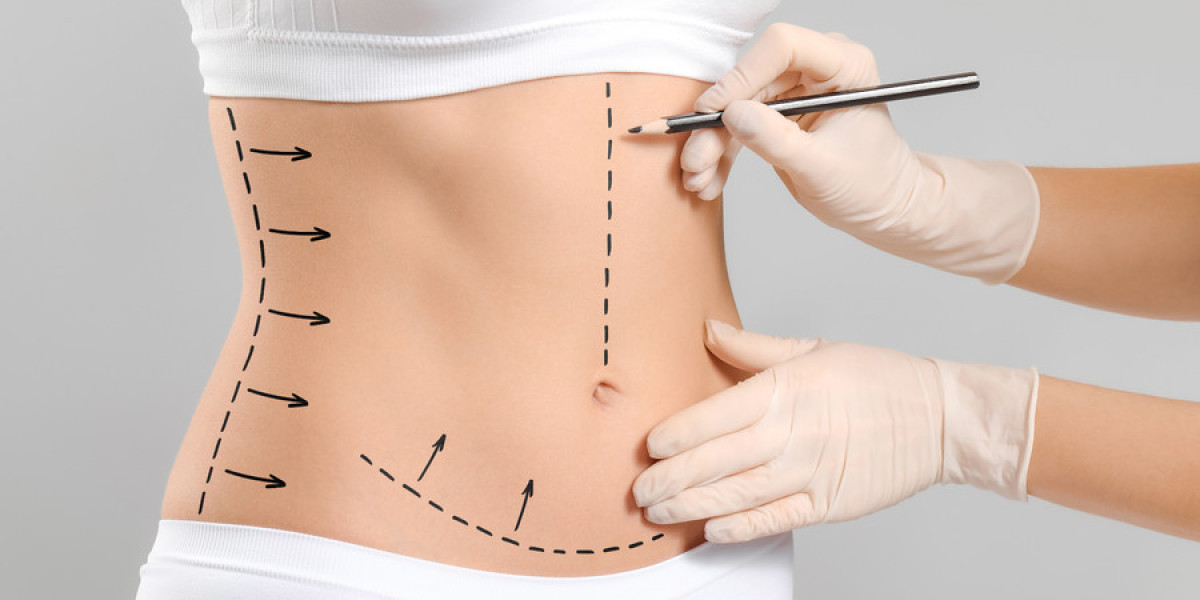
Tummy tuck in Jeddah is a cosmetic procedure designed to remove excess abdominal skin and improve the overall contour of the abdomen.
Understanding how and why to adjust your sleeping position ensures a smoother, safer recovery journey.
Why Sleeping Position Matters Post-Surgery
When you wake up from a tummy tuck, your midsection is under a specific amount of tension as the internal tissues and skin adapt to their new contours. Choosing the wrong sleeping posture can lead to several complications:
Excessive Incision Tension: Sleeping flat on your back or stomach pulls directly on the horizontal incision line, increasing pain and the risk of widening scars.
Increased Swelling and Bruising: Lying flat can cause fluid to pool and exacerbate postoperative swelling around the abdomen and flanks.
Straining Repaired Muscles: Twisting or flattening out can put undue pressure on the internal corset of sutures supporting your core.
The Recommended Sleeping Position: The "Beach Chair" Setup
For the first two to three weeks following your tummy tuck, the gold standard sleeping position is resting on your back with your upper body and knees elevated. This posture mimics a reclining lounge chair or hospital bed.
How to Build Your Post-Operative Bed:
Elevate Your Upper Body: Prop your upper torso up at a 30 to 45-degree angle using a wedge pillow, multiple sturdy bed pillows, or an adjustable recliner chair. This angle takes all direct tension off your abdominal wall.
Support Your Knees: Place a large pillow or rolled-up blanket underneath your knees so they remain bent. This relieves lower back strain and prevents you from sliding down while you sleep.
Add Arm Support: Placing small pillows under each arm helps stabilize your upper body and prevents you from rolling to the side during the night.
Positions to Strictly Avoid During Early Recovery
Stomach Sleeping (Prone): Sleeping on your stomach places extreme, direct pressure on your fresh incisions and newly repositioned belly button. This must be strictly avoided for at least six to eight weeks.
Flat on Your Back (Supine without Elevation): Lying completely flat stretches the abdominal skin and muscle repairs prematurely, resulting in pulling sensations, sharp discomfort, and heightened swelling.
Side Sleeping: While side sleeping is comfortable for many, rolling onto your side twists the torso and places asymmetric tension on the incision lines and drains during the first few weeks.
Transitioning Back to Normal Sleeping Habits
As your body heals and your surgeon grants clearance—typically around four to six weeks post-operation—you can begin transitioning back to your preferred sleeping positions:
Gradual Flat Back Sleeping: You can start lowering the pillow elevation progressively over a week or two until you can sleep comfortably flat on your back.
Introduction of Side Sleeping: Once internal tissue healing is robust and pulling sensations have subsided, gentle side sleeping with a pillow placed between your knees for alignment is usually permitted.
Stomach Sleeping: Most surgeons advise waiting at least eight weeks, or until all residual tightness and deep swelling have completely resolved, before attempting to sleep face down.
Tips for Better Rest During Recovery
Wear Your Compression Garment: Keep your medical-grade compression binder on while sleeping; it provides comforting structural support that actually makes resting easier.
Take Medications as Prescribed: If your surgeon has prescribed nighttime pain relief or muscle relaxants, take them precisely on schedule before bed to prevent discomfort from waking you up.
Use Extra Pillows: Surround yourself with extra support pillows to create a cozy "nest" that prevents you from subconsciously rolling over in your sleep.
By strictly adhering to these elevated sleeping postures during your first few weeks of recovery, you protect your surgical investment, minimize discomfort, and give your body the optimal environment it needs to heal smoothly.












