
Heat recovery technology allows thermal energy that would normally escape through ventilation to be retained and reused. As stale indoor air leaves a property, its heat can be transferred to incoming fresh air, helping maintain more stable indoor temperatures while supporting efficient energy use. Modern heat exchange systems can limit unnecessary thermal losses and reduce reliance on supplementary heating, especially during colder periods. This method combines continuous ventilation with heat conservation, supporting healthier indoor environments without compromising household comfort. Residential heat recovery systems are becoming an important consideration in contemporary residential design, particularly for homes focused on improving energy efficiency and reducing carbon emissions.
Planning a Heat Recovery System Installation for Residential Properties
A successful house heat recovery system installation depends on careful planning, accurate assessment, and appropriate professional knowledge. The process typically starts with evaluating the property's ventilation requirements, including its overall size, internal layout, occupancy levels, and current heating setup. Selecting a system with the correct capacity and configuration helps align its operation with the specific needs of the home.
Ductwork needs to be carefully planned and positioned to promote balanced airflow and effective heat transfer throughout the property. Installation arrangements should account for system connections while avoiding unnecessary disruption to the home. Proper insulation around ducts and associated components can also help minimise unwanted heat loss and improve overall efficiency.
Electrical wiring and control functions are set up to provide dependable operation and straightforward system management. Following installation, comprehensive testing can verify that the equipment is functioning correctly and achieving the expected ventilation and heat recovery results.
Exploring the Operating Process of Domestic Heat Recovery Ventilation
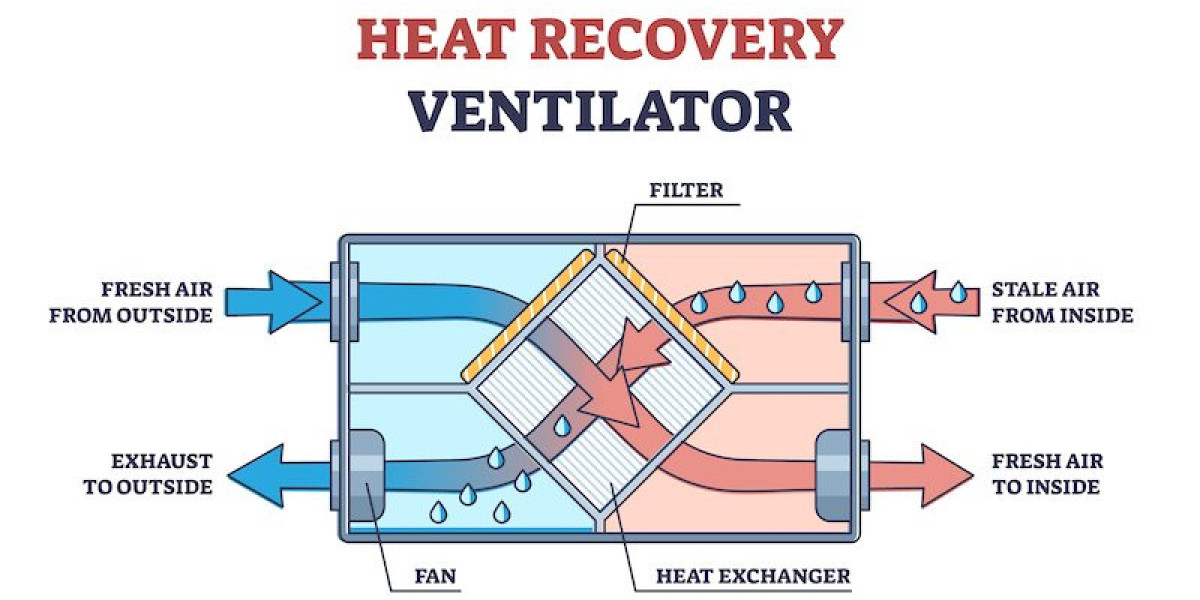
Domestic heat recovery ventilation systems operate by using separate airflow paths to remove used indoor air and bring fresh outdoor air into the home while retaining useful heat. Warm extracted air moves through a heat exchanger, allowing its thermal energy to pass to the cooler incoming air. Since the two air streams remain separated, the system can limit cross-contamination while distributing fresh air throughout occupied areas. This heat transfer process helps support consistent temperatures and can reduce dependence on supplementary heating. Filters incorporated into the system can additionally remove airborne particles, contributing to cleaner indoor air.
Recovering heat that would otherwise escape during normal ventilation can help lower household energy consumption and support more sustainable operation. By combining controlled air movement with thermal energy recovery, these systems help maintain comfortable indoor conditions while providing the necessary supply of fresh air without unnecessarily increasing energy use.
Understanding the Components of Residential Heat-Recovery Systems
Several interconnected components form a residential heat-recovery system, with each part contributing to ventilation and heat transfer performance. At the centre is the heat exchanger, which transfers thermal energy between outgoing and incoming air while keeping the two air streams separate. Ductwork provides the pathways needed to move air between the system and different areas of the property, supporting consistent circulation.
Filters help improve indoor air cleanliness by trapping dust, allergens, and other airborne contaminants before they are distributed throughout living spaces. Fans generate and regulate airflow while helping maintain appropriate pressure across the ventilation network, allowing air to move efficiently between different sections of the system.
Control units provide further management by allowing system operation to be monitored and adjusted according to household requirements. When these components are properly selected, installed, and maintained, they work together to support energy efficiency, indoor comfort, and reliable long-term ventilation performance.
Supporting Better Indoor Air Quality with House Heat Recovery
House heat recovery systems can contribute to improved indoor air quality by continuously replacing stale indoor air with filtered fresh air. Built-in filtration can capture particles such as dust & allergens, helping reduce the concentration of unwanted airborne substances within living spaces. By supporting more balanced humidity levels, these systems may also help reduce excessive moisture that can contribute to mould development and potentially affect both occupants and the condition of the property.
Continuous air exchange helps remove substances that can accumulate indoors, including carbon dioxide and volatile organic compounds. This function can be particularly valuable in modern properties where improved insulation and reduced air leakage may limit natural ventilation.
Consistent airflow can also contribute to a fresher and more balanced indoor atmosphere. By combining controlled ventilation with heat recovery, these systems provide a way to improve indoor air conditions while maintaining greater control over household energy consumption and thermal comfort.
Evaluating the Financial Advantages of Home Heat Recovery Ventilation
Home heat recovery ventilation can provide potential long-term financial advantages by recovering thermal energy that would otherwise be lost as indoor air is exhausted. Heat transferred from outgoing air to incoming fresh air can reduce the amount of supplementary heating required, which may contribute to lower energy expenses over time. Actual savings will vary according to factors such as the property's insulation, energy costs, system efficiency, and the level of heating required by the household.
The installation of energy-efficient ventilation technology may also contribute to the property's overall appeal by demonstrating consideration for sustainable and efficient residential design. While the initial investment can be significant, the combination of possible energy savings, improved air quality, and more consistent thermal comfort can make heat recovery ventilation a worthwhile consideration for residential properties.
Reducing Environmental Impact through Heat Recovery
Heat recuperation units can help reduce household energy consumption by limiting thermal losses associated with ventilation. Transferring heat from outgoing indoor air to incoming fresh air helps maintain stable indoor temperatures while reducing reliance on supplementary heating equipment. More efficient energy use can contribute to lower utility expenses while also helping reduce greenhouse gas emissions and promote responsible resource consumption.
Reducing the carbon impact associated with residential heating can support broader sustainability objectives. Incorporating heat recovery technology into modern homes reflects increasing interest in environmentally responsible solutions that combine comfortable indoor conditions with improved energy efficiency and resource management.
Comparing Heat Recuperation Units with Conventional Ventilation
Heat recuperation units offer a notable advantage over conventional ventilation by combining fresh-air circulation with thermal energy recovery. Traditional ventilation systems can allow valuable indoor heat to escape during air exchange, whereas heat recuperation units use heat exchangers to capture warmth from outgoing air and transfer it to incoming fresh air. This process can help reduce energy consumption while maintaining more stable indoor temperatures.
Conventional ventilation can provide effective air exchange but typically does not recover thermal energy that has been lost, which may increase heating requirements. By combining filtration with heat recovery, heat recuperation units offer a more energy-efficient and environmentally responsible alternative to traditional ventilation approaches.
Understanding the Core Elements of a Mechanical Heat Recovery System
A mechanical heat recovery system consists of several connected components designed to provide controlled ventilation while retaining useful thermal energy. Fans remove stale air from indoor areas and bring fresh air inside, while both air streams pass through a heat exchanger that allows warmth to be transferred without mixing them directly. This process supports more consistent indoor temperatures and can reduce the need for supplementary heating. Integrated filtration can also improve air cleanliness by removing dust, allergens, and other airborne contaminants.
Through regulated airflow and the recovery of heat from extracted air, these systems provide a practical approach to maintaining comfortable indoor conditions while supporting lower energy consumption and more sustainable household operation.
Planning Key Elements for an Efficient Heat-Recovery System
An efficient heat recovery system requires thoughtful design to provide dependable ventilation and effective energy performance. The placement of the heat exchanger is particularly important, as an appropriate position can encourage effective thermal transfer while limiting unnecessary energy loss. Ductwork design also influences airflow balance, with carefully planned pathways helping distribute ventilation consistently across different areas of the property. Selecting suitable ducting and insulation materials can further support efficiency and long-term system reliability.
Design requirements should account for factors such as property size, existing insulation, and the surrounding climate. Compatibility with current heating and ventilation equipment is another important consideration when planning the installation. Taking these elements into account can help create a system that supports household comfort while improving the efficient use of energy throughout the property.
Advancing Technologies in Home Heat Recovery Ventilation System
Ongoing technological improvements are influencing the design of home heat recovery ventilation system, with modern developments increasingly focused on efficiency, automation, and sustainability. Smart controls can provide automated management of ventilation settings, allowing system operation to respond more effectively to changing indoor conditions while supporting energy management. Connections with renewable technologies, including solar and geothermal energy, are also being considered as ways to reduce reliance on traditional energy sources. Advances in heat exchanger construction and filtration materials can further improve operating efficiency and component longevity.
More compact and modular designs are also being developed to provide greater flexibility during installation and suit different residential layouts. These innovations demonstrate the continued development of ventilation technology aimed at combining practical functionality, energy conservation, environmental considerations, and comfortable home environments.
Preserving Reliable Operation through Heat Recuperation System Maintenance
Regular maintenance plays an important role in keeping heat recuperation equipment operating efficiently over an extended period. Filters need to be checked regularly and cleaned or replaced when required to maintain suitable airflow and support indoor air cleanliness. The heat exchanger should also be examined for dust and debris that could interfere with effective thermal transfer. Ductwork requires inspection for leaks, restrictions, or blockages that may reduce the consistency of air movement throughout the property.
Fans and other moving components should be assessed periodically to identify signs of wear and support smooth operation. A consistent maintenance routine can reduce the likelihood of performance problems and help retain the system's energy-saving function. Proper attention to these components can therefore contribute to the ongoing efficiency, reliability, and service life of the heat recuperation system.
Conclusion
Residential heat recovery systems provide a practical way to improve ventilation efficiency and energy performance in contemporary Australian homes. By transferring thermal energy between outgoing and incoming air streams, these systems can help reduce heating and cooling requirements while maintaining a steady supply of fresh air. Filtration can also assist with removing airborne particles, while controlled ventilation helps manage moisture and condensation. With suitable planning and professional installation, residential heat recovery systems can contribute to comfortable indoor conditions, efficient energy use, and more sustainable residential living.
FAQs
How can residential heat recovery systems benefit modern homes?
Residential heat recovery systems can help reduce energy consumption by transferring useful heat from outgoing air to incoming fresh air. They continuously ventilate indoor spaces while filtering airborne particles and managing excess moisture. This balanced airflow can support improved indoor air quality, more stable temperatures, and reduced heating or cooling requirements, contributing to efficient energy use throughout residential properties.
How does a residential heat recovery system operate?
A residential heat recovery system uses separate pathways for outgoing stale air and incoming fresh air. As warm indoor air passes through the heat exchanger, its thermal energy is transferred to the incoming outdoor air without the two air streams directly mixing. This process helps retain indoor warmth, provide fresh ventilation, and reduce the energy required for additional heating or cooling.
How often does a heat recovery unit require maintenance?
Maintenance is generally recommended every six to twelve months to help preserve efficient operation and suitable airflow. Filters should be checked and cleaned or replaced as needed to prevent dust accumulation. Professional servicing may also involve inspecting ductwork, assessing fan operation, and cleaning the heat exchanger core to maintain reliable ventilation and long-term system performance.
How does heat recovery ventilation improve indoor air quality?
Heat recovery ventilation continually removes stale indoor air and introduces filtered outdoor air, helping maintain fresher interior conditions. Filters can capture particles such as dust and pollen before fresh air enters the home. Consistent air exchange can also assist with moisture control and reduce condensation, supporting cleaner, more comfortable, and better-balanced indoor environments.
Related Business Listings |