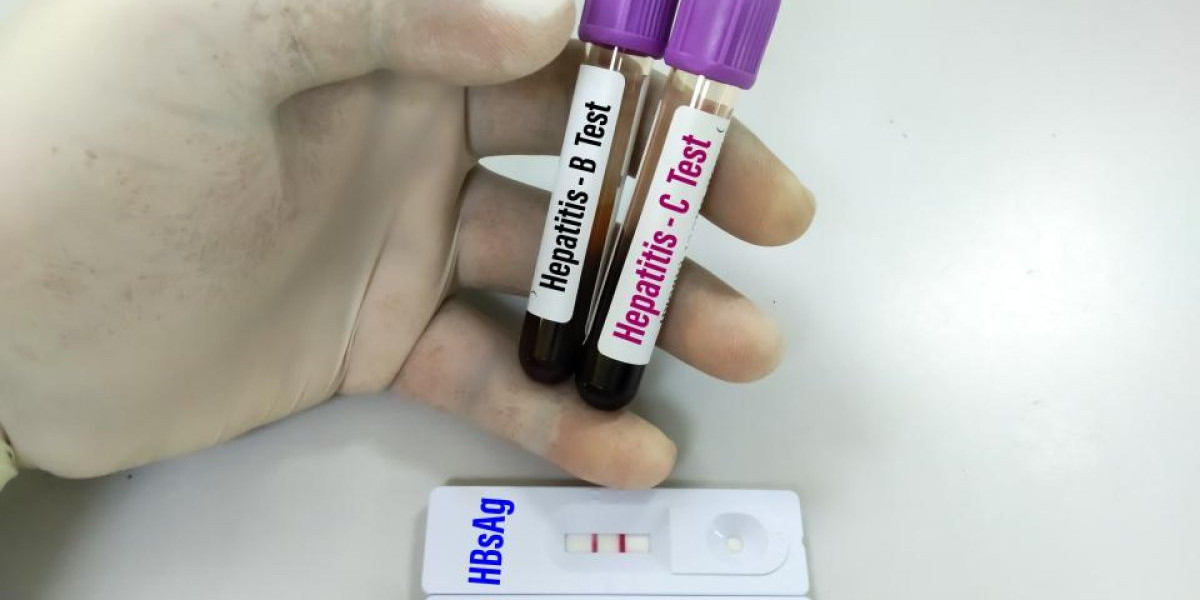

Hepatitis B is a viral infection that can affect the liver and may not always cause noticeable symptoms. Blood testing provides healthcare professionals with specific information that cannot be obtained from symptoms alone. A Hepatitis B Test in Dubai may involve one or several blood tests depending on the reason for screening and the individual's health history.
Different blood markers can provide information about current infection, previous exposure, or immunity. Understanding the purpose of these markers can help patients better understand why healthcare providers may recommend more than one test.
Why Blood Testing Is Used
Blood tests are commonly used to investigate Hepatitis B because they can identify specific markers associated with the virus and the body's immune response.
A healthcare professional may recommend testing after possible exposure, as part of certain preventive health assessments, or when symptoms or medical history raise a concern.
Testing may also be useful for people who have no symptoms but have a relevant risk factor. Because Hepatitis B can sometimes occur without obvious signs, laboratory testing can provide important information about infection status.
How Enfiled STD Clinic Can Support Hepatitis B Testing
At Enfiled STD Clinic, individuals can discuss concerns about Hepatitis B and learn about appropriate testing options. Healthcare professionals can review possible exposure, symptoms, vaccination history, previous test results, and other relevant information before testing.
A consultation can also help patients understand what their blood test is designed to detect. If several markers are ordered, the healthcare provider can explain why each one may be useful.
Professional interpretation is particularly important when laboratory results appear confusing or when previous test reports are incomplete.
Understanding Hepatitis B Surface Antigen
One commonly used Hepatitis B marker is hepatitis B surface antigen, abbreviated as HBsAg. Detection of HBsAg can provide evidence of current Hepatitis B infection.
However, laboratory results should always be interpreted within the appropriate clinical context. The healthcare provider may consider additional Hepatitis B markers to better understand the person's overall status.
A single marker may not answer every question about whether someone has been infected in the past, is currently infected, or has immunity.
What Is Hepatitis B Surface Antibody?
Another important marker is hepatitis B surface antibody, commonly called anti-HBs. This marker can provide information about immunity to Hepatitis B.
Immunity can develop after successful vaccination or after certain types of previous infection. Additional markers may therefore be needed to understand why the antibody is present.
This is why healthcare professionals often interpret multiple results together rather than focusing on one antibody result in isolation.
Understanding Hepatitis B Core Antibody
Hepatitis B core antibody, or anti-HBc, is another marker that can provide information about previous or current exposure to Hepatitis B.
The interpretation of anti-HBc depends on other Hepatitis B markers and the overall clinical situation. It can help healthcare professionals understand whether someone may have experienced previous exposure.
Patients should discuss their complete laboratory report with a healthcare professional if they are unsure about the meaning of this marker.
Why More Than One Blood Test May Be Needed
Hepatitis B testing can involve multiple markers because each one provides different information.
For example, one test may provide evidence related to current infection, while another may provide information about immunity or previous exposure. Looking at several markers together can help healthcare professionals build a more complete picture.
The exact tests selected depend on the reason for testing, medical history, previous results, and possible exposure.
Testing After Possible Exposure
If a person believes they may have been exposed to Hepatitis B, blood testing may be considered. However, timing is important because certain markers may not be immediately detectable following exposure.
A healthcare professional can advise when testing should be performed and whether repeat testing may be appropriate.
Patients should tell the healthcare provider approximately when the possible exposure occurred. This information can help determine a suitable testing approach.
Can Blood Testing Find Hepatitis B Without Symptoms?
Yes, laboratory testing can provide evidence of Hepatitis B even when a person does not have noticeable symptoms.
Some people with Hepatitis B may feel healthy, particularly during certain stages of infection. This makes risk-based screening and professional medical assessment important in appropriate situations.
People should not assume that feeling well automatically means they do not need testing if a healthcare professional has identified a relevant reason for screening.
How Symptoms Relate to Blood Tests
Symptoms can provide useful context but cannot establish a Hepatitis B diagnosis by themselves.
Possible symptoms include tiredness, reduced appetite, nausea, abdominal discomfort, dark urine, and jaundice. These symptoms can occur for many different reasons.
If symptoms raise a concern, a healthcare professional may use blood testing along with medical history and other assessments to investigate the possible cause.
How Results Are Interpreted
Hepatitis B blood test results can sometimes be difficult for patients to interpret because several markers may appear on the report.
A positive result does not always mean current infection. For example, a positive antibody result may indicate immunity, while a positive surface antigen result can indicate evidence of current infection.
The meaning of a result depends on the specific marker, other laboratory findings, timing, and the person's medical history.
What Happens After a Positive Finding?
If testing identifies a result that suggests current Hepatitis B infection, the healthcare provider may recommend additional evaluation.
Further blood tests can provide more information, while liver-related assessments may be considered when appropriate. The exact follow-up depends on the individual's circumstances.
A positive laboratory finding should therefore be discussed with a qualified healthcare professional rather than interpreted independently.
What Does a Negative Result Tell You?
A negative result means that the specific marker tested was not detected at the time of testing. However, the meaning depends on which marker was examined.
If testing occurred soon after possible exposure, follow-up may sometimes be recommended because the infection may not yet be detectable through every available marker.
A healthcare provider can explain whether the result is sufficient or whether additional testing should be considered.
Blood Testing and Liver Health
Hepatitis B primarily affects the liver, so healthcare professionals may also consider liver health when evaluating someone with evidence of infection.
Additional blood tests may be used to assess liver-related markers. These tests provide different information from Hepatitis B-specific markers and may be used together when medically appropriate.
The purpose is to understand the patient's overall health rather than relying on a single laboratory result.
The Importance of Professional Testing
Using a professional healthcare setting for Hepatitis B testing provides an opportunity to discuss medical history, possible exposure, vaccination, and previous results.
It also allows patients to ask questions about the tests and receive appropriate interpretation of the findings.
People who are concerned about Hepatitis B should seek professional guidance rather than attempting to diagnose the infection from symptoms or isolated laboratory values.
Final Thoughts
Blood tests play an important role in identifying and understanding Hepatitis B. Different markers can provide information about current infection, previous exposure, or immunity, and healthcare professionals may use several tests to create a more complete picture.
A Hepatitis B Test in Dubai can be selected according to individual circumstances, possible exposure, medical history, and previous results. Because test results can be complex, professional interpretation is important for understanding what the findings mean and whether follow-up testing or additional medical evaluation may be appropriate.