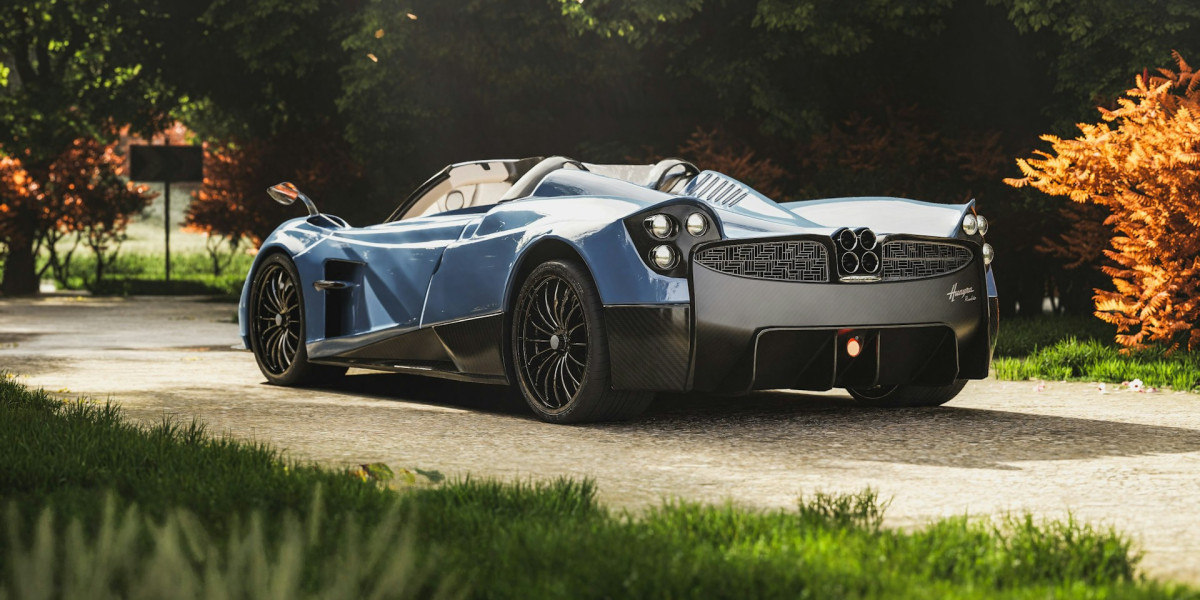

Designing a new vehicle involves much more than creating an attractive sketch. Automotive designers need to evaluate proportions, surfaces, materials, colors, lighting, and overall appearance before a concept can move toward production. Traditionally, this process depended heavily on physical models and prototypes. Today, 3D rendering for car design gives creative and engineering teams a faster way to visualize and refine vehicle concepts.
With detailed digital models and realistic rendering techniques, designers can explore different ideas before investing in physical development. This makes visual decision-making more flexible while helping teams communicate new concepts more effectively.
From Initial Sketches to Digital Vehicle Models
Most vehicle concepts begin with sketches, references, and design ideas. These early concepts help designers establish the overall character of a vehicle, including its silhouette, proportions, and distinctive visual elements.
The next stage is transforming these ideas into a digital 3D model. Using specialized modeling software, designers can develop the body shape and individual components with a high level of control.
A digital model allows teams to examine a vehicle from virtually any angle. They can inspect the front, rear, side profile, roofline, wheel arches, lighting elements, and other details without having to build a physical prototype.
This flexibility is particularly useful during the early stages of automotive design, when changes are expected and multiple concepts may need to be explored.
Exploring Different Design Directions
One of the biggest benefits of 3D visualization is the ability to test multiple design variations.
A designer can modify elements such as:
Body proportions
Paint colors
Wheel designs
Exterior materials
Headlight shapes
Grille treatments
Interior finishes
Trim details
Instead of producing a separate physical model for every variation, digital assets can be adjusted and rendered repeatedly.
This allows design teams to compare different visual directions and determine how individual changes affect the overall appearance of a vehicle.
Creating Realistic Automotive Visualizations
Modern rendering technology can produce highly detailed images that closely resemble photographs. Materials such as metal, glass, leather, plastic, carbon fiber, and polished surfaces can be recreated digitally with realistic textures and reflections.
Lighting also plays an important role. A vehicle can be rendered under studio lighting, natural daylight, nighttime conditions, or an environment designed to match a particular advertising campaign.
These details help designers understand how a concept may look in different environments. They also make the visualization useful beyond the design department.
Improving Communication Between Teams
Automotive projects typically involve multiple teams, including designers, engineers, marketers, manufacturers, and business stakeholders. Communicating a concept through technical drawings alone can sometimes be difficult, particularly for people who are not involved in the design process.
A detailed 3D vehicle visualization provides a common visual reference.
Instead of interpreting a two-dimensional sketch, stakeholders can see a more complete representation of the proposed vehicle. This can make discussions around styling, materials, proportions, and presentation more straightforward.
High-quality visual content can also help automotive companies present concepts to executives, investors, partners, dealerships, and potential customers.
Reducing Dependence on Physical Prototypes
Physical prototypes remain important in vehicle development, particularly when teams need to evaluate physical dimensions, ergonomics, aerodynamics, or engineering requirements. However, not every design decision requires a physical model.
3D rendering allows many visual questions to be addressed digitally before a prototype is produced.
For example, teams can evaluate whether a particular wheel design complements the body, how a new paint finish affects the vehicle's appearance, or whether a specific lighting arrangement supports the intended design language.
By resolving visual decisions earlier, digital visualization can help make the development process more efficient.
Using 3D Rendering for Automotive Marketing
The value of automotive 3D visualization extends beyond product development. Once a detailed digital vehicle model exists, it can potentially be used to create marketing materials as well.
Rendered images and animations can be used for:
Vehicle launch campaigns
Website imagery
Digital advertisements
Social media content
Product presentations
Dealership materials
Concept car showcases
Promotional videos
This is particularly useful when a physical vehicle is not yet available. A company can begin developing visual marketing content while the vehicle is still in the development stage.
Visualizing Interior Design Concepts
3D rendering is not limited to exterior vehicle design. Interior visualization allows designers to experiment with dashboards, seats, center consoles, infotainment displays, materials, lighting, and trim.
Different combinations can be presented realistically before final materials are selected.
For example, a design team might compare a minimalist interior with a more premium configuration. Digital visualization makes it possible to present both options under consistent lighting and camera conditions, making the differences easier to evaluate.
Creating Concept Animations and Product Presentations
Still images are only one part of automotive visualization. 3D models can also be used to create animations that show a vehicle from different perspectives.
A product animation might demonstrate the exterior design, highlight specific features, show interior details, or present the vehicle in a particular environment.
These animations can be particularly effective for presentations and digital campaigns because movement gives audiences a better understanding of the vehicle's form and proportions.
Why Detail Matters in Automotive CGI
Automotive visualization depends heavily on precision. Small details can have a noticeable effect on the final result.
Accurate reflections, realistic materials, correct proportions, subtle surface transitions, and appropriate lighting all contribute to a convincing image.
The goal is not simply to create a visually attractive picture. The visualization should communicate the intended design accurately while maintaining the brand's visual language.
This is why professional automotive CGI combines technical 3D modeling with photography-inspired composition, material development, lighting, and post-production.
Working With Specialized Visualization Teams
Producing high-quality vehicle imagery requires a combination of creative and technical skills. Depending on the project, companies may work with specialized 3D artists, automotive visualization studios, animators, and creative production teams.
A studio such as Hatch Studios can be a useful resource when a brand needs professional visual content that combines 3D design, storytelling, and presentation.
The right production partner can help transform a basic design concept into polished visual material that is suitable for both internal presentations and external marketing.
The Future of Digital Automotive Design
As automotive design becomes increasingly digital, 3D visualization is becoming an important part of the creative workflow. Designers can develop ideas faster, test variations more easily, and communicate concepts with greater visual clarity.
The technology also creates opportunities for more immersive experiences, including interactive vehicle configurators, real-time visualization, virtual environments, and animated product presentations.
Rather than replacing the creative thinking behind vehicle design, 3D rendering gives designers another powerful tool for exploring and communicating their ideas.
Final Thoughts
Modern automotive design depends on the ability to turn ideas into something that teams and audiences can clearly understand. 3D rendering for car design provides that visual bridge by transforming sketches and digital models into detailed representations of future vehicles.
From exploring exterior styling and interior materials to creating marketing imagery and product animations, digital visualization can support multiple stages of the automotive journey.
As rendering technology continues to develop, the ability to visualize a vehicle before it physically exists will remain an important part of how automotive brands design, communicate, and present new ideas.