
Radiant heat refers to a type of electromagnetic radiation situated within the spectrum between visible light and radio waves. It is characterised by its ability to transfer energy in the form of warmth, directly heating objects and surfaces rather than the surrounding air. This form of heat transfer is highly efficient, as it reduces energy loss often associated with other heating methods. The natural emission of infrared radiation from warm objects demonstrates its prevalence in daily life. The sun, for example, is a major source of infrared heat, providing a familiar sensation of warmth. Advances in technology have allowed the harnessing of infrared heat for various purposes, from domestic heating solutions to industrial and medical applications. Its direct and targeted heating mechanism continues to position it as a versatile and valuable resource across multiple sectors.
Mechanism of Infrared Heat
Infrared heat functions through the emission of electromagnetic waves within the infrared spectrum, which are produced when molecules within a material vibrate due to energy absorption. These vibrations generate heat energy that is emitted as infrared radiation. When these waves come into contact with an object or surface, the energy is absorbed, causing the temperature of the object to increase.
Unlike convection or conduction, this process does not rely on heating the surrounding air, making it highly efficient. Infrared heat travels in straight lines and can penetrate certain materials, enabling targeted and uniform heating. The efficiency and precision of this mechanism make infrared heat suitable for various applications, ranging from domestic heating to industrial processes, ensuring optimal heat transfer without significant energy loss or environmental impact.
Applications of Infrared Heat in Daily Life
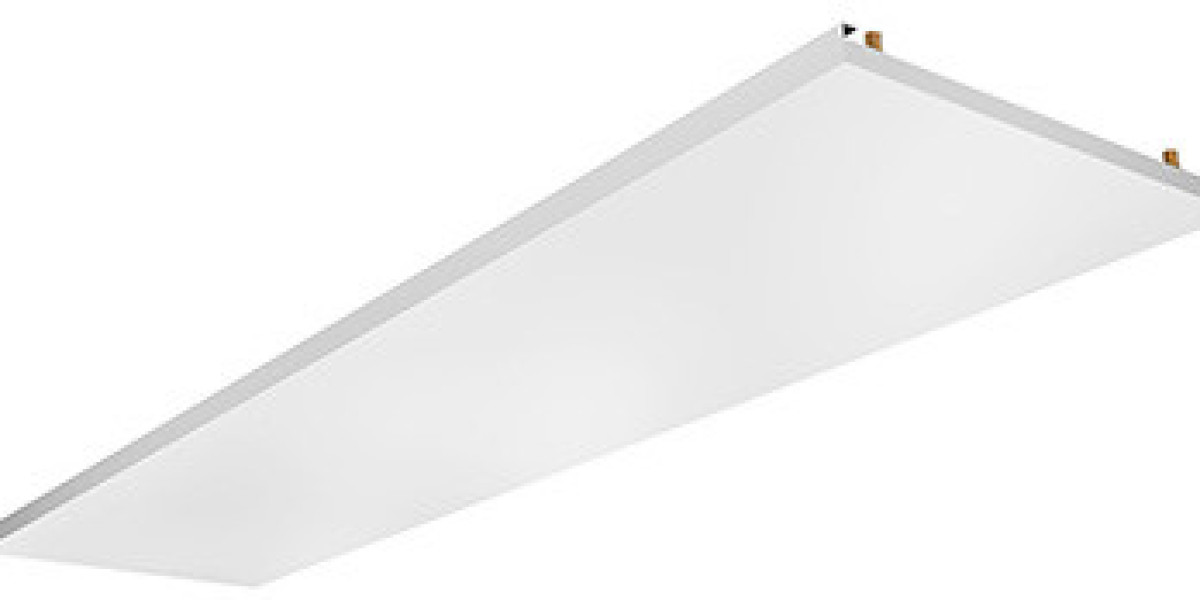
Infrared heat serves diverse purposes in everyday settings, enhancing efficiency and convenience. In domestic environments, it is utilised for space heating, with infrared panels and outdoor heaters providing consistent warmth. This method proves effective in maintaining comfortable indoor temperatures, particularly during colder seasons. In the culinary sector, infrared heat is widely employed in cooking equipment such as grills and ovens. It facilitates uniform heating, which ensures that food is cooked thoroughly while preserving its natural moisture and flavours.
Additionally, infrared technology is applied in processes such as food dehydration and sterilisation, supporting longer shelf life and improved hygiene. Beyond these uses, infrared heat is incorporated into hair styling tools, promoting efficiency in hair drying and styling routines. Its adaptability and precision highlight its role in simplifying tasks across a range of daily activities.
Industrial Uses of Infrared Heat
Infrared heat is widely employed in industrial processes due to its ability to deliver precise and consistent heating. In the automotive industry, it is used for drying paint and coatings, ensuring even application and reducing curing times. Similarly, in the manufacturing of plastics and composites, infrared heat facilitates efficient moulding and bonding by evenly distributing thermal energy. Textile production also benefits from infrared technology, particularly in dye fixation and drying processes, where it improves efficiency and minimises energy waste.
Additionally, its role in electronics manufacturing, such as soldering and circuit board assembly, demonstrates its adaptability and precision. Infrared heat’s ability to target specific areas without heating surrounding spaces makes it an essential tool in industrial settings, supporting productivity and maintaining the quality of the finished products through controlled and efficient heat application.
Infrared Heat in Medical Treatments
Infrared heat plays a significant role in modern medical treatments, particularly in therapies designed to alleviate pain and enhance recovery. By penetrating deep into tissues, it promotes improved blood circulation, which can aid in reducing inflammation and accelerating healing processes. This property is particularly useful in managing conditions such as muscle stiffness and joint discomfort. Infrared saunas utilise this technology to support relaxation and stress reduction by warming the body directly, without overheating the surrounding air.
Additionally, infrared heat is employed in devices for physiotherapy and rehabilitation, where targeted applications help to loosen tight muscles and enhance flexibility. Its non-invasive nature makes it suitable for a range of therapeutic uses, offering a controlled means of delivering warmth to specific areas of the body, thereby contributing to the overall effectiveness of medical care and recovery strategies.
The Environmental Impact of Infrared Heat
Infrared heat technology offers an environmentally friendly approach to heating due to its targeted energy transfer, which significantly reduces energy wastage. Unlike conventional systems that rely on warming the air, infrared heaters directly heat objects and surfaces, resulting in improved efficiency. This method diminishes the need for prolonged operation, thereby lowering overall energy consumption and associated carbon emissions.
Infrared heaters typically require less power to achieve the same level of comfort compared to traditional methods, aligning with efforts to promote energy conservation. Additionally, the absence of moving parts in most infrared heating systems minimises the risk of wear and tear, reducing maintenance requirements and extending product lifespan. By integrating infrared heat into energy-efficient practices, this technology supports sustainable living and contributes to achieving global environmental goals.
Technological Advancements in Radiant Heat
Advancements in radiant heat technology have driven innovations aimed at improving functionality and efficiency across various sectors. Modern designs incorporate materials that enhance the emission and absorption of infrared waves, maximising energy transfer and reducing waste. Infrared heating systems now include features like programmable settings and automated temperature control, allowing for precise and consistent operation. Integration with renewable energy systems, such as solar technologies, has further reduced environmental impact.
Research into advanced materials, including ceramics and specialised coatings, has enabled more durable and effective heating elements. Additionally, compact and portable designs have broadened the accessibility of infrared heat solutions, ensuring its practical application in both small-scale and industrial contexts. These developments continue to expand the technology’s versatility and relevance.
Safety Considerations with Infrared Heat
Infrared heat, while generally safe, requires proper handling to ensure risk-free application. Ensuring appropriate installation of infrared heating devices is essential, particularly in terms of distance from combustible materials or objects that may overheat. Users should adhere strictly to operational guidelines provided by manufacturers, including recommendations on exposure durations to avoid potential skin irritation or discomfort.
Infrared heating systems should not be placed in confined spaces without adequate ventilation to prevent localised overheating. Regular maintenance, such as inspecting for damage or wear, helps in preserving safe operation.
Additionally, awareness of individual sensitivity levels to heat exposure is vital in mitigating potential adverse effects. Following established safety protocols ensures the effective and responsible use of infrared heating technology.
Comparing Infrared Heat with Traditional Heating
Infrared heat operates through the direct transfer of energy to objects and surfaces, contrasting with traditional heating methods that warm the surrounding air through convection. This fundamental difference allows infrared heating to deliver targeted warmth with reduced energy wastage. Traditional systems, such as radiators, often require extended operation to heat entire spaces, while infrared heat offers immediate results.
Additionally, infrared systems are generally silent, lacking the mechanical components found in some conventional heating devices. Maintenance requirements also differ, as infrared heaters typically have fewer moving parts, reducing the likelihood of wear and tear. However, traditional systems may prove more effective in spaces with poor insulation, as they distribute heat more evenly across larger areas.
Impact of Infrared Heat on Human Health
Infrared heat is recognised for its ability to support various physiological processes, offering potential benefits in therapeutic and wellness applications. It can aid in promoting blood flow, which contributes to improved oxygen delivery and tissue repair. Infrared saunas utilise this heat to encourage relaxation, reduce muscle tension, and foster a sense of well-being. In clinical settings, infrared devices are employed to target specific areas, providing relief from joint discomfort and muscle stiffness.
While generally regarded as safe, overexposure may lead to discomfort or dehydration, necessitating proper usage. Ongoing research continues to explore its broader health implications, examining how controlled infrared heat exposure may assist in managing conditions and enhancing overall physical and mental health.
Cultural and Historical Context of Infrared Heat
The origins of infrared heat can be traced to Sir William Herschel's discovery of infrared radiation in 1800, a breakthrough that expanded understanding of the electromagnetic spectrum. This discovery laid the foundation for various technological advancements, enabling the practical utilisation of infrared heat across multiple domains. Historically, thermal applications of heat have been integral to many cultures, such as the use of heated environments like saunas for relaxation and health benefits.
Over time, scientific developments have refined the application of infrared heat, transitioning from rudimentary practices to advanced systems that now integrate into modern living. Its widespread adoption reflects a broader trend of harnessing natural phenomena for enhanced functionality in both traditional and contemporary contexts.
The Future of Infrared Heat
Advancements in infrared heat technology are expected to focus on enhanced efficiency, sustainability, and integration with smart systems. Emerging innovations may include infrared emitters with improved energy transfer and the use of advanced materials for increased durability.
Artificial intelligence and automation are anticipated to enable precise temperature regulation and adaptive performance. As global emphasis on energy conservation grows, the application of infrared heat is likely to expand, catering to evolving demands in residential, commercial, and industrial sectors.
Conclusion
Radiant heat technology represents an efficient, direct, and versatile thermal energy solution for modern Australian homes, medical facilities, and industrial operations. By utilizing electromagnetic radiation to warm objects and surfaces directly, infrared systems eliminate energy loss associated with conventional convective air heating. With diverse applications spanning industrial manufacturing, paint curing, physiotherapy, and sustainable space heating, infrared technology delivers rapid thermal output with lower power requirements. Integrating smart controls, durable ceramic components, and renewable energy compatibility positions infrared heat as a crucial component of future eco-friendly building designs, reducing operational carbon emissions while enhancing occupant comfort and operational efficiency.
FAQs
What is Radiant heat and how does it function?
Radiant heat is a form of electromagnetic radiation that directly transfers thermal energy to objects and surfaces. Rather than warming surrounding air molecules via convection, infrared waves travel in straight lines and excite molecules within exposed objects, causing rapid and uniform temperature increases without energy loss or dust circulation.
Is infrared heat safe for human health and therapy?
Yes, infrared heat is completely safe and widely utilised in Australian medical and wellness settings. It deeply penetrates physical tissues to stimulate blood circulation, reduce muscle inflammation, and relieve joint stiffness. Unlike ultraviolet radiation, infrared waves carry no damaging rays, making them gentle for daily therapeutic sauna use.
How do infrared heaters reduce overall energy expenses?
Infrared heaters reduce power costs by delivering instant radiant warmth directly to targeted zones instead of continuously heating entire air volumes. Their rapid heating response, paired with smart automated thermostats, minimizes operational run times. This direct energy transfer ensures lower overall power consumption compared to traditional electric convection units.
What are the main industrial applications of infrared heating?
Industries across Australia utilize infrared heat for drying automotive paints, curing plastic coatings, bonding composite materials, and fixing textile dyes. Its capability to apply precise, controllable heat without disturbing surrounding air ensures rapid processing speeds, consistent product quality, and significantly reduced factory energy waste.
How does infrared heat compare to conventional convective heating?
Convective heating relies on warming ambient air, which rises and creates uneven temperature zones and drafty air currents. Conversely, infrared heat directly warms physical structures, flooring, and occupants. This creates long-lasting thermal mass storage, prevents allergen circulation, operates silently, and maintains consistent warmth across uninsulated or open areas.
Related Business Listings |