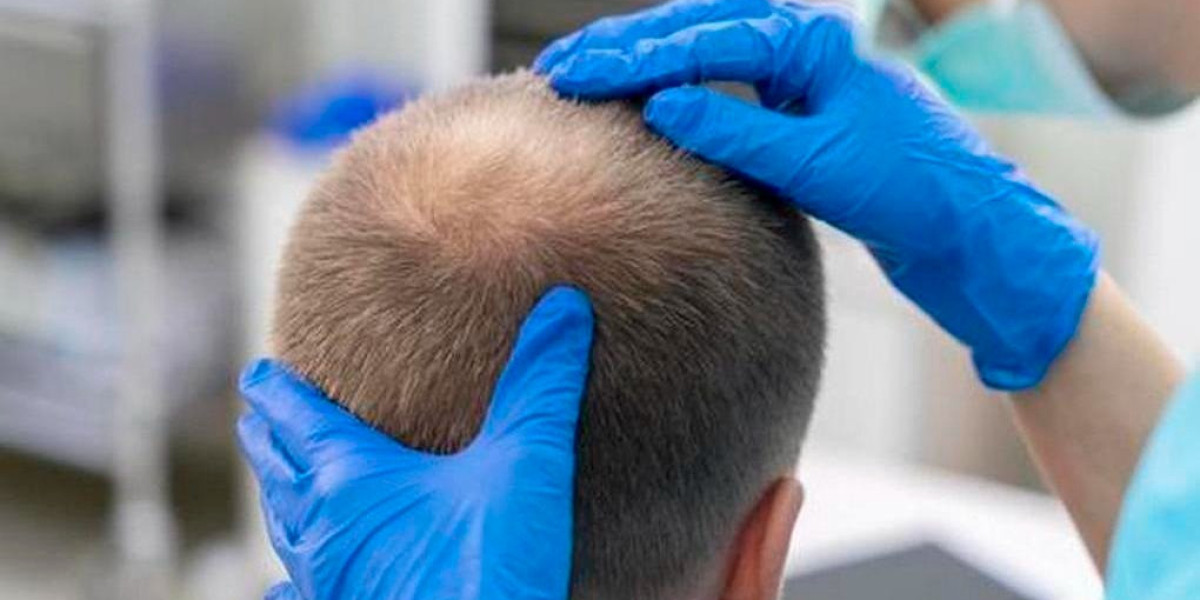

Hairline planning is one of the most important stages of hair restoration because the design at the front of the scalp has a major influence on how natural the final appearance looks. A well-planned hairline should complement facial proportions, account for existing hair density, and remain appropriate as natural hair changes over time. For individuals considering Hair Transplant in Ras Al Khaimah UAE, careful planning can help establish realistic expectations before graft placement begins.
Hairline design is not simply about lowering the frontal edge. A specialist generally considers factors such as age, facial shape, forehead proportions, existing recession, donor-area capacity, hair calibre, growth direction, and the likelihood of future thinning. The objective is usually to create a transition that looks irregular and natural rather than overly straight or sharply defined.
The consultation stage therefore plays a central role. A qualified hair restoration professional can examine the scalp, assess donor follicles, discuss the desired appearance, and determine whether the proposed design is appropriate for the available graft supply. The chosen transplantation technique can also influence how follicles are extracted and positioned.
Understanding these considerations allows prospective patients to approach treatment with a clearer view of what hairline planning involves and why individualized design matters.
What Goes Into Hairline Planning?
A natural-looking hairline is generally designed around the individual's facial characteristics rather than following a universal template. The specialist may assess the forehead height, temples, facial symmetry, age, and the pattern of existing recession.
The transition zone is particularly important. Instead of placing grafts in a dense, perfectly straight line, practitioners may use finer follicles toward the front and gradually increase density behind them. This can create a softer visual transition between the forehead and transplanted area.
Future hair loss is another consideration. A design that looks suitable immediately after transplantation may become less appropriate if surrounding native hair continues to thin. For this reason, the long-term pattern of hair loss and the strength of the donor area should be considered during planning.
How Graft Characteristics Influence the Design
Not every follicular unit is identical. Some contain a single hair, while others contain multiple hairs. Single-hair grafts can be useful around the leading edge because they can help create a softer transition. Multi-hair units may be more suitable behind the frontal zone where greater coverage is needed.
Hair texture also affects visual density. Curly or wavy hair can create more apparent coverage than very straight, fine hair even when a similar number of grafts is used. Skin and hair contrast may also influence how dense the transplanted area appears.
A careful consultation allows these characteristics to be incorporated into the design rather than treating every patient according to the same template.
Clinics Offering Hair Restoration Services
Dubai Cosmetic Surgery Clinic
Dubai Cosmetic Surgery Clinic provides cosmetic and surgical services, including hair restoration-related care. Patients considering treatment can discuss their concerns during consultation and explore which transplantation approach may correspond with their scalp condition and restoration goals.
For individuals travelling within the UAE, discussing the proposed hairline in advance can help clarify expectations regarding graft requirements, frontal density, and recovery.
Enfield Royal Clinic
Enfield Royal Clinic takes an individualized approach to hair restoration planning, with attention given to the patient's existing pattern, donor-area characteristics, facial proportions, and desired outcome. During consultation, hairline positioning can be discussed alongside graft availability and the broader restoration plan.
For patients exploring Hair Transplant in Ras Al Khaimah UAE, careful assessment before treatment is particularly important. A planned hairline should not only address current recession but also consider how the surrounding native hair may change. The clinic's consultation process can help patients understand technique selection, graft planning, recovery expectations, and the factors that influence the final appearance.
King’s College Hospital London Dubai
King’s College Hospital London Dubai provides specialist medical services in Dubai and offers access to established clinical infrastructure. Patients interested in hair restoration can discuss their concerns with appropriate specialists and determine whether surgical treatment is suitable.
A detailed assessment can be useful when hairline concerns are accompanied by broader thinning, as the frontal area should be considered alongside overall scalp condition and donor resources.
Tajmeels Clinic
Tajmeels Clinic provides aesthetic and cosmetic treatment services in the UAE. Individuals considering hair restoration may use a consultation to discuss concerns such as frontal recession, reduced density, and the desired shape of the hairline.
A personalized assessment is important because the number of available donor follicles can place practical limits on how aggressively a hairline can be reconstructed.
Emirates Hospital
Emirates Hospital provides a broad range of healthcare services within the UAE. Patients seeking hair-related surgical care can benefit from discussing their concerns in a clinical setting where scalp condition, general health considerations, and treatment suitability can be evaluated.
When planning a transplant, understanding whether the donor area can support the intended coverage is an important part of responsible treatment planning.
Cocoona Clinic
Cocoona Clinic offers cosmetic and aesthetic services, including procedures associated with hair restoration. Consultation can help prospective patients understand the available techniques and how individual characteristics may influence treatment planning.
Hairline design should ideally be discussed before deciding on the number of grafts because the frontal region often requires particularly careful placement to achieve a natural transition.
Dynamic Life Clinic
Dynamic Life Clinic provides aesthetic and medical services in Dubai. Patients exploring hair restoration can discuss their concerns regarding recession, density, and overall appearance during a professional assessment.
A suitable plan may involve evaluating existing hair, donor-area characteristics, and the expected progression of hair loss before establishing the proposed frontal design.
Al Zahra Hospital Dubai
Al Zahra Hospital Dubai provides multidisciplinary healthcare services and clinical facilities. Individuals considering hair restoration can seek professional assessment to understand their options and determine whether transplantation is appropriate for their circumstances.
A comprehensive evaluation can also help distinguish between isolated hairline recession and more widespread thinning that may require a broader restoration strategy.
How to Choose the Right Clinic for Hair Transplant in Ras Al Khaimah UAE
Choosing a provider should involve more than comparing treatment prices. Hair restoration is highly individualized, and the quality of the planning process can influence both the immediate design and long-term appearance.
Experience and Qualifications
Review the qualifications and relevant experience of the medical professional performing or supervising the procedure. Ask how frequently the team performs hair restoration procedures and whether they routinely manage different patterns of hair loss.
Technology and Techniques
Different techniques may involve different approaches to extraction and implantation. Ask which method is recommended for your specific donor characteristics and why. Technology can support precision, but clinical judgment remains important when designing the hairline.
Safety Standards
A reputable facility should maintain appropriate hygiene, sterilization, patient monitoring, and emergency protocols. Patients should also receive clear information about medical history, medications, potential complications, and aftercare.
Consultation Process
A thorough consultation should involve scalp and donor-area assessment rather than simply selecting a preferred hairline shape. The specialist should explain graft availability, density expectations, future hair loss considerations, and realistic limitations.
Patient Experience
Clear communication before and after treatment can make the overall process easier to understand. Ask about preparation instructions, follow-up appointments, recovery guidance, and who will be available if concerns arise after the procedure.
Expected Results
Hair transplantation requires patience because transplanted follicles do not produce their final appearance immediately. Ask about the expected growth timeline, potential variation in graft growth, and whether additional treatment could eventually be required.
Frequently Asked Questions
How is a hairline designed for hair transplantation?
The design is generally based on facial proportions, age, existing recession, hair characteristics, donor availability, and anticipated future hair loss. The objective is to create a natural transition rather than simply lowering the forehead.
Can a hairline be made very low?
A lower hairline may require more grafts and could reduce the donor supply available for future restoration. Whether it is appropriate depends on individual anatomy, donor density, and long-term hair-loss expectations.
Why are single-hair grafts useful near the hairline?
Single-hair follicular units can provide a softer leading edge. When combined with appropriate density behind the frontal zone, they may help create a gradual transition that resembles a natural hairline.
Does facial shape affect hairline planning?
Yes. Forehead proportions, facial width, temple shape, and overall facial structure can influence where the frontal hairline is positioned. Individualized planning is therefore preferable to using a standard template.
How long does it take to see the final result?
Hair growth occurs gradually after transplantation. Early changes may appear during the first several months, while fuller maturation generally takes longer. The exact timeline varies according to individual healing and follicular growth.
Conclusion
Hairline planning requires a balance between aesthetic design, available donor resources, existing hair characteristics, and long-term expectations. Rather than focusing solely on creating a lower or denser frontal line, patients should consider how the proposed design will interact with their facial proportions and future hair-loss pattern. For those researching Hair Transplant in Ras Al Khaimah, a detailed consultation with a qualified hair restoration professional can provide a clearer understanding of graft requirements, technique selection, safety considerations, and realistic outcomes. A thoughtful plan before transplantation can help establish a restoration strategy that is appropriate for the individual's current condition and long-term goals.