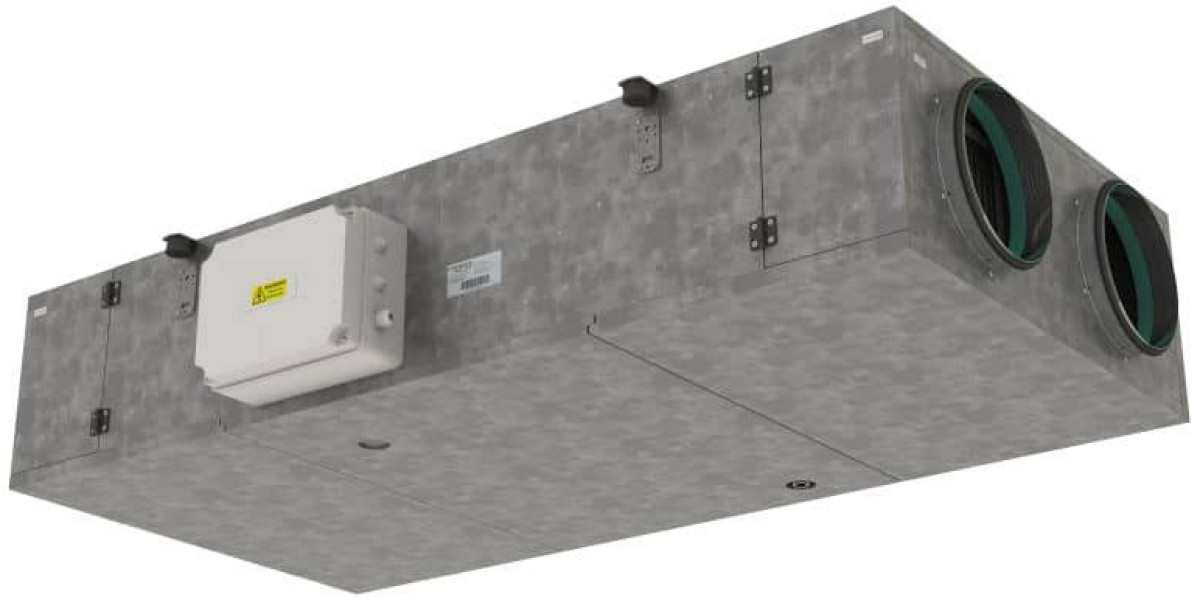

Modern ventilation solutions increasingly prioritise energy efficiency alongside healthy indoor air quality. A heat recovery air exchanger provides a practical approach to creating a balanced and energy-conscious home environment. The system captures heat from outgoing stale air and transfers it to incoming fresh air, helping minimise unnecessary thermal energy loss while supporting continuous ventilation. It can also assist in managing indoor humidity, helping reduce concerns such as condensation and mould that may affect household comfort and property condition. As modern homes place greater emphasis on energy-efficient design, this technology can contribute to more comfortable, sustainable, and effectively ventilated residential spaces.
Integrating Heat Recovery into Contemporary Residential Design
Heat recovery has become an increasingly useful feature in modern residential design as energy efficiency and sustainability receive greater attention in construction. Incorporating heat-recovery systems can support evolving energy requirements focused on reducing carbon emissions and encouraging more environmentally responsible household practices.
These systems are especially useful in airtight and energy-efficient homes where natural airflow can be restricted. By capturing and reusing thermal energy from outgoing air, they help reduce energy waste while maintaining effective ventilation and supporting indoor air quality. Their ability to reduce dependence on conventional heating and cooling methods makes them a practical option for households seeking greater energy conservation alongside controlled running costs.
Creating Comfortable Interiors with Heat-Recovery Ventilation
Heat-recovery ventilation contributes to indoor comfort by encouraging fresh air circulation while retaining useful thermal energy. Through an effective heat exchange process, the system can preheat incoming air during colder conditions, helping minimise noticeable reductions in indoor temperature. Its ability to assist with humidity management can also help control excessive moisture or dryness that may affect household comfort and property condition.
The system removes stale air, unwanted odours, and airborne contaminants, helping create a cleaner and more pleasant indoor atmosphere. Unlike conventional ventilation approaches that can introduce draughts or result in unnecessary heat loss, heat-recovery ventilation supports balanced airflow while retaining thermal efficiency.
This approach helps maintain fresh and comfortable interiors while preserving warmth during challenging outdoor conditions. By supporting stable temperatures and cleaner air, the system contributes to a healthier and more pleasant living environment. Its benefits extend beyond temperature management by providing dependable ventilation while helping reduce the concentration of unwanted indoor pollutants.
Replacing Stale Air While Reducing Thermal Loss
A heat-recovery air exchanger continuously replaces stale indoor air with fresh outdoor air while helping minimise unnecessary heat loss. The technology uses an efficient heat exchanger to capture thermal energy from outgoing air and transfer it to incoming air without combining the separate air streams. This process provides a steady supply of fresh air while reducing dependence on conventional heating systems because less energy is required to bring incoming air to a comfortable temperature.
By providing effective ventilation without excessive thermal loss, these systems can support healthier indoor environments and more efficient energy use. They are particularly suitable for airtight homes, where conventional ventilation methods may result in considerable heat loss and reduced overall efficiency.
Integrated filtration components can further support indoor air quality by capturing airborne pollutants before they circulate throughout the property. The combination of consistent airflow and energy conservation highlights the practical value of incorporating these systems into contemporary residential designs, addressing both indoor comfort and environmental efficiency.
Benefits of Heat Recovery from Extracted Air
Recovering heat from extracted air offers several valuable benefits for modern living spaces. The process supports energy conservation by reusing warmth that would otherwise escape, helping reduce dependence on conventional heating systems. These systems also assist in maintaining consistent indoor temperatures, creating comfortable spaces while reducing unnecessary demands on energy resources.
Alongside thermal advantages, heat recovery supports improved indoor air quality by helping remove stale air and airborne pollutants. This combined function is particularly useful in airtight homes where natural ventilation may be restricted. Efficient heat recovery can also reduce the workload placed on heating and cooling equipment, potentially supporting longer equipment life and lower maintenance requirements over time.
The technology contributes to wider environmental objectives by reducing wasted energy and helping limit carbon emissions, making it a practical and sustainable feature for residential and commercial environments. Its ability to combine energy efficiency with effective air circulation reinforces its importance in modern sustainable building design.
Exploring the Operation of an HRV Heat Transfer System
An HRV heat transfer system works by transferring thermal energy between outgoing and incoming air streams within a property. The system uses a heat exchanger where warm, stale indoor air leaving the building passes alongside cooler, fresh outdoor air entering the space.
During this exchange, heat moves from the outgoing air to the incoming air, allowing thermal energy to be recovered without directly mixing the separate air streams. This helps reduce energy loss while supporting stable indoor temperatures and continuous ventilation. Advanced filtration components may also capture dust, allergens, and airborne pollutants from incoming air, contributing to improved ventilation quality. The system maintains balanced airflow throughout the property, helping minimise pressure differences that could affect indoor comfort or building conditions.
Lowering Residential Heating Requirements with Heat Recovery
Heat recovery systems can help reduce heating requirements by capturing warmth from outgoing indoor air and transferring it to incoming fresh air. This process lowers the energy needed to heat a residence because incoming air receives thermal energy before entering occupied areas.
By recovering heat that might otherwise be lost, these systems can allow conventional heating equipment to operate more efficiently and for shorter periods. This may help control energy consumption while supporting the service life of heating equipment. Lower energy requirements can also contribute to household savings and support more environmentally responsible operation through reduced energy demand.
Continuous heat recovery can further promote more stable indoor temperatures, supporting comfort during colder conditions. This technology is particularly suitable for energy-efficient homes where maintaining warmth is important alongside effective ventilation and more sustainable residential operation.
Maintaining a Balanced Indoor Climate
Balanced airflow is essential for creating a comfortable and well-regulated indoor environment, particularly within modern airtight homes. Heat-recovery systems support continuous air circulation, helping reduce uneven temperature distribution and improve overall household comfort. Effective airflow management can minimise colder areas and excessive warmth, contributing to a more consistent indoor climate.
The ability to regulate humidity can also help reduce problems associated with excess moisture, including condensation and dampness, while limiting overly dry conditions that may affect comfort and air quality. Effective air circulation supports thermal stability while continuously replacing stale indoor air with cleaner, filtered outdoor air.
This combination of ventilation and temperature management demonstrates the practical role of heat-recovery systems in maintaining a balanced indoor climate, particularly in residences designed with energy efficiency and environmental sustainability in mind.
Factors Influencing Heat-Recovery Ventilation Performance
The efficiency of a heat-recovery ventilation system depends on several interconnected factors. The design and performance of the heat exchanger core have a significant effect on how effectively thermal energy transfers between outgoing and incoming air streams. Effective filtration is also important because it helps prevent pollutants and debris from entering the property while supporting cleaner indoor air.
The position of the unit within the property can influence performance, as unsuitable placement may restrict airflow and reduce overall efficiency. Compatibility with the property's size and ventilation requirements also affects how effectively the system operates.
Proper insulation around ductwork can help minimise heat loss during air movement, supporting stronger energy performance. Regular servicing is equally important for dependable operation because blocked filters or worn components may reduce efficiency. Outdoor conditions, including variations in temperature, can also influence the system's ability to maintain consistent heat recovery.
Maintaining Efficient Heat Recovery throughout the Year
Heat-recovery systems provide energy-efficient ventilation that can adapt to changing seasonal conditions through adjustable airflow and thermal exchange. During colder periods, these systems recover warmth from outgoing air and transfer it to incoming fresh air, reducing the workload placed on conventional heating equipment and helping conserve energy.
In warmer conditions, they can assist with indoor temperature management by regulating ventilation and limiting the amount of excess outdoor heat entering the property. By balancing thermal comfort with effective air exchange, these systems can help manage energy use throughout the year without compromising ventilation performance. This adaptability supports reliable operation as outdoor conditions change.
Their ability to regulate indoor humidity can also address seasonal concerns, including condensation during colder months or excessive dryness during warmer periods, supporting greater household comfort. As a result, these systems can contribute to consistent energy efficiency across different seasons while maintaining pleasant indoor conditions. Their flexible operation supports sustainable residential living while responding to changing environmental requirements throughout the year.
Choosing the Best HRV Unit for Contemporary Residences
Selecting the best HRV unit for a modern home requires consideration of several factors to ensure the system meets specific ventilation requirements. The unit's capacity should correspond with the property's size and airflow demands, as an unsuitable capacity can affect overall efficiency. Energy efficiency ratings should also be assessed, with strong performance supporting effective heat recovery and controlled energy consumption.
Noise levels are another consideration, particularly when the unit is positioned near bedrooms or living areas where quieter operation can support household comfort. Filter quality is equally important, as effective filtration can capture dust, allergens, and other airborne particles while contributing to improved indoor air quality.
Installation requirements should also be reviewed, as the property's layout and existing infrastructure may influence installation complexity and associated costs. Maintenance requirements, including regular filter replacement and servicing, should be considered to help maintain reliable and consistent performance over time.
Conclusion
Using heat recovery air exchangers offers a practical way to enhance indoor air quality in modern homes. These systems help balance airflow, minimise heat loss, and maintain comfortable indoor temperatures throughout the year. By combining efficient heat transfer with filtration technology, they can support energy-conscious operation without compromising ventilation or comfort. Their contribution to sustainability and reduced environmental impact makes them useful for homes designed with environmental considerations in mind. As household energy needs continue to change, heat-recovery solutions can support more efficient and sustainable residential environments.
FAQs
How can a heat recovery air exchanger improve indoor air quality?
A heat recovery air exchanger removes stale indoor air while bringing filtered fresh air indoors. Its filtration system helps reduce allergens, pollutants, and airborne particles, supporting cleaner and healthier indoor conditions.
Can heat-recovery systems accommodate different residential designs?
These systems are especially suitable for modern airtight homes, although they can also be fitted in older properties with appropriate modifications to meet structural and ventilation requirements.
What maintenance is required for a heat-recovery air exchanger?
Routine maintenance includes cleaning or replacing filters, checking the heat exchanger core, and keeping ductwork clear to support reliable and efficient system operation.
How can an HRV-unit help reduce energy consumption?
An HRV-unit recovers heat from outgoing indoor air, helping reduce the workload placed on conventional heating systems and supporting improved household energy efficiency.
Can a heat-recovery air exchanger be retrofitted into an older home?
Yes, a heat-recovery air exchanger can be retrofitted into an older property, although an assessment is needed to consider structural conditions and existing ventilation requirements.
Related Business Listings |