
Hair growth depends on several factors, including genetics, hormones, nutrition, age, and scalp health. When hair begins to become thinner or less dense, people may explore non-surgical approaches designed to support existing follicles. Plasma-based treatments are one option that focuses on the scalp and the natural hair-growth cycle.
Understanding how the treatment works, what it can realistically achieve, and how long results may take can help create more informed expectations.
How Does Plasma Treatment Support Hair Growth?
Plasma injection for hairs in Dubai (حقن البلازما للشعر في دبي) commonly uses platelet-rich plasma, or PRP, prepared from a person's own blood. Platelets contain biological components involved in tissue repair and regeneration.
After the plasma preparation is applied to selected areas of the scalp, it is intended to support the local scalp environment and existing hair follicles. The objective is to encourage conditions that may contribute to healthier-looking and stronger hair growth over time.
Understanding the Hair Growth Cycle
Hair naturally moves through different phases. These include the active growth phase, a transitional phase, and a resting or shedding phase. Not every follicle is in the same phase at the same time.
This cycle explains why hair restoration treatments generally do not produce immediate results. Changes in follicular activity and visible hair density can take several weeks or months to become noticeable.
Who May Explore Plasma Hair Treatment?
Plasma-based hair treatment may be considered by people experiencing early or moderate thinning, reduced hair density, or certain patterns of hair shedding. The potential suitability depends on the underlying cause and condition of the hair follicles.
A proper assessment of the scalp and hair pattern is important before starting treatment. Different causes of hair loss can require different approaches, and plasma treatment may not be suitable for every situation.
What Happens During the Treatment?
The process generally begins with collecting a small blood sample. The sample is then processed to separate the platelet-rich component from other blood components.
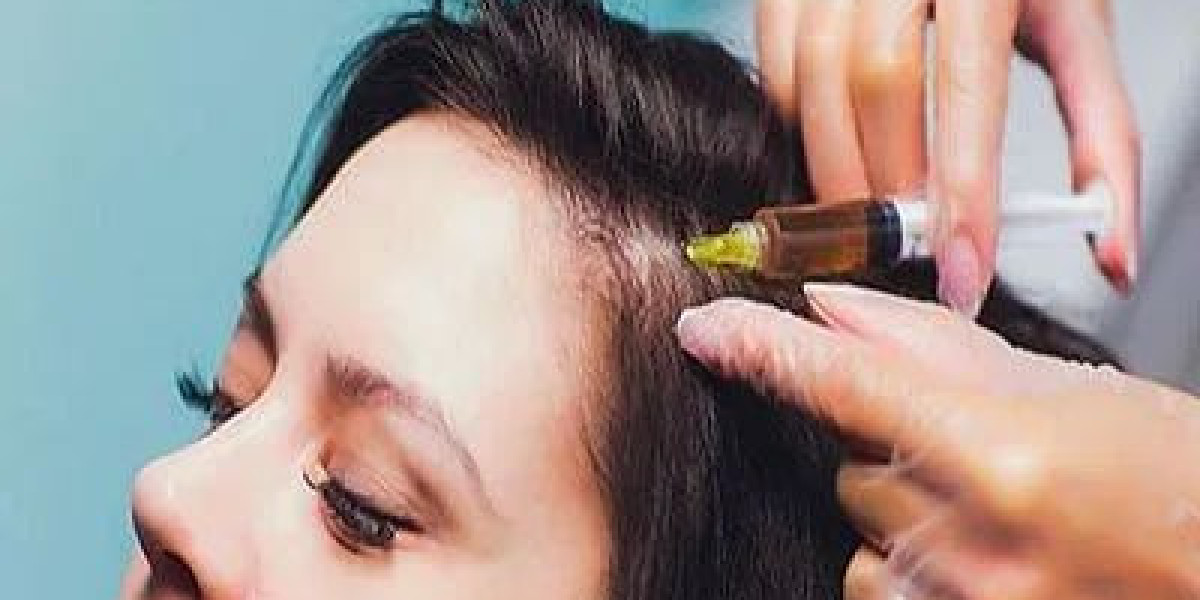
The prepared plasma is subsequently applied to selected areas of the scalp through a series of small injections. The treatment focuses on regions where hair thinning or reduced density has been identified.
Is the Treatment Painful?
Individual experiences can vary. Some people may experience mild pinching, pressure, or temporary discomfort during the injections.
Scalp sensitivity can also differ depending on the treatment area and individual tolerance. Any discomfort generally relates to the injection process itself and may be temporary.
What Happens After Plasma Injection?
Temporary redness, tenderness, or mild swelling can occur after treatment. These effects may settle as the scalp recovers.
Following appropriate aftercare can help minimize unnecessary irritation. The scalp may need a short period without excessive rubbing, scratching, or harsh hair products.
When Should You Expect Hair Growth Changes?
Hair growth improvements usually take time because follicles operate according to their natural biological cycle. Immediate dramatic growth should not be expected after a single session.
Over time, some individuals may observe changes in hair thickness, density, or overall scalp coverage. The timing and degree of improvement can differ considerably from person to person.
What Can Influence Treatment Results?
The underlying reason for hair loss is one of the most important factors affecting potential outcomes. The condition of existing follicles, duration of hair thinning, scalp health, lifestyle, nutrition, and individual biological response can also influence the results.
People with remaining active follicles may have different expectations compared with individuals experiencing advanced or longstanding hair loss.
How Many Sessions May Be Required?
A treatment plan can involve multiple sessions depending on the individual's hair condition and desired objectives. The spacing between sessions may also vary according to the treatment approach.
Follow-up assessments can help evaluate changes in hair density and determine whether additional treatment may be appropriate. Hair restoration should generally be viewed as a gradual process rather than a one-time transformation.
Can Plasma Treatment Replace a Hair Transplant?
Plasma treatment and hair transplantation serve different purposes. Plasma-based treatment is designed to support existing follicles, while transplantation involves moving hair follicles from one area of the scalp to another.
For individuals with significant areas where follicles are no longer producing hair, plasma treatment may have different limitations. Understanding the difference between follicle support and surgical restoration can help establish realistic expectations.
Supporting Healthy Hair Growth
A consistent hair-care routine can complement a broader hair restoration strategy. Gentle scalp care, balanced nutrition, adequate hydration, and minimizing unnecessary chemical or mechanical stress may help maintain existing hair.
Monitoring changes in shedding and hair density can also provide useful information about how the scalp is responding over time. Patience is important because natural hair growth develops gradually.
Final Thoughts
Plasma injection for hairs in Dubai provides a non-surgical approach focused on supporting existing hair follicles and promoting a healthier scalp environment. Understanding the hair-growth cycle, treatment process, recovery, and factors that influence results can help create realistic expectations. For individuals exploring plasma-based hair restoration options, TAJMEELS Dubai عيادة تجميل can be an option for learning more about the treatment and its potential role in a personalized hair-care plan.