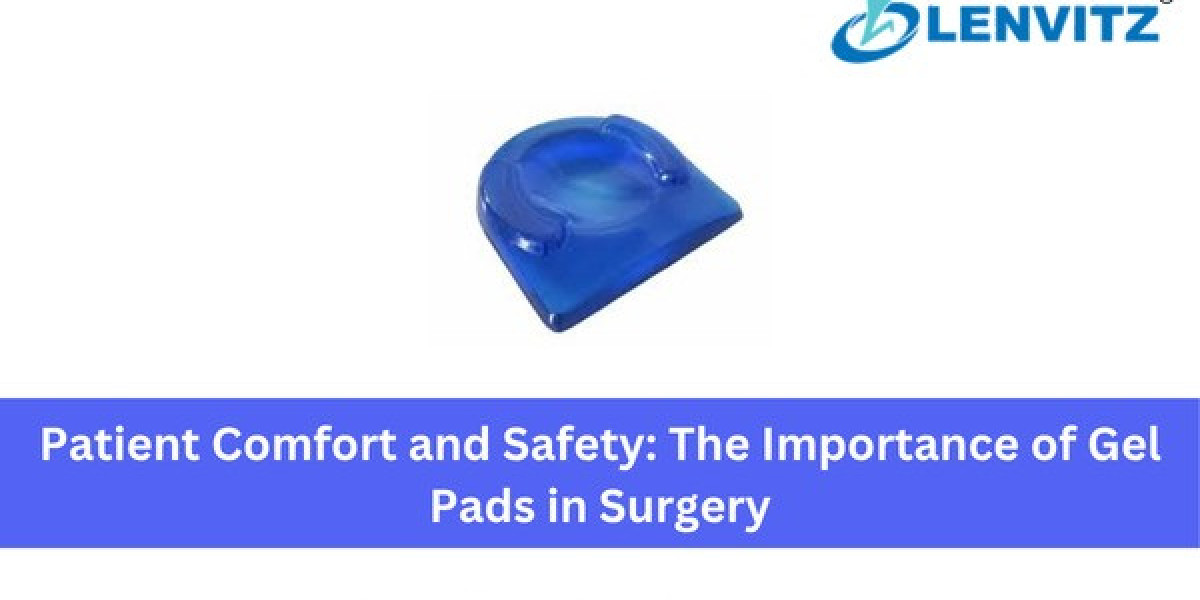

Patient positioning is an important part of surgical care. During an operation, patients may need to remain in the same position for a long period, which can place pressure on different parts of the body. Proper cushioning and positioning support can help create a more stable and comfortable surgical environment.
Different procedures require different positioning techniques. Products such as Supine Position Gel Pads, Lateral Position Gel Pads, a Lateral Positioner, and OT Table Positioning Gel Pads can provide targeted support based on the patient's position and the requirements of the procedure.
Why Proper Surgical Positioning Matters
A patient needs to remain stable throughout surgery so the surgical team can work effectively. At the same time, pressure-sensitive areas of the body require appropriate support.
Positioning accessories can provide cushioning between the patient and the operating table. They may help distribute contact pressure, reduce unwanted movement, and support proper alignment when used according to clinical protocols.
Supporting the Supine Position
The supine position places the patient on their back and is commonly used for many surgical procedures. However, remaining on the back for an extended period can create pressure around areas such as the head, shoulders, elbows, sacrum, and heels.
Supine Position Gel Pads can provide cushioning beneath selected areas and help create a more supportive surface. The appropriate pad should be selected according to the patient's anatomy, surgical procedure, and positioning requirements.
Supporting the Lateral Position
In the lateral position, the patient lies on one side. This positioning technique may be used for procedures involving the chest, kidneys, hips, and other areas.
Pressure can develop around the shoulders, hips, knees, and ankles. Lateral Position Gel Pads can provide cushioning at selected contact points while helping maintain a stable position.
The Role of a Lateral Positioner
A Lateral Positioner is designed to help stabilize the patient while lying on their side. It can work alongside gel pads and other positioning accessories to support body alignment.
The appropriate positioner should be selected based on the patient's size, surgical procedure, operating table, and clinical positioning requirements.
How OT Table Positioning Gel Pads Help
The operating table provides the foundation for surgical positioning, but additional cushioning may be needed for certain procedures.
OT Table Positioning Gel Pads can provide a supportive interface between the patient and the table. Depending on their design, they can be used to cushion specific body areas and support different surgical positions.
Choosing the Right Positioning Support
When selecting positioning products, healthcare teams should consider:
The patient's surgical position
Procedure duration
Patient size and anatomy
Pressure-sensitive areas
Required stability and alignment
Product material and durability
Cleaning and disinfection requirements
Compatibility with the operating table
Using the correct combination of positioning products can help create a more organized surgical setup.
Building a Complete Positioning System
A complete setup may combine Supine Position Gel Pads for back-lying procedures, Lateral Position Gel Pads and a Lateral Positioner for side-lying procedures, and OT Table Positioning Gel Pads for wider operating-table support.
Each product should be used according to its intended purpose and the healthcare facility's positioning protocols.
Surgery
Every surgical position creates different pressure and support requirements. Properly selected positioning equipment can help healthcare teams provide cushioning, stability, and support throughout a procedure.
Whether the patient is positioned on their back or side, products such as Supine Position Gel Pads, Lateral Position Gel Pads, a Lateral Positioner, and OT Table Positioning Gel Pads can be valuable components of a carefully planned surgical positioning setup.