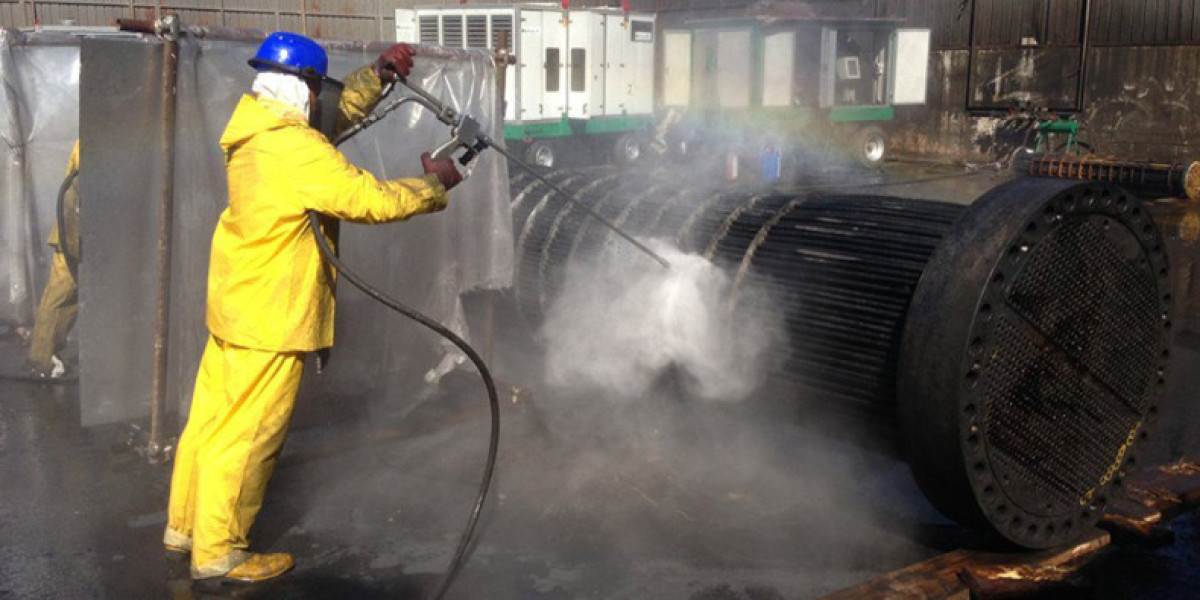

Industrial cleaning requires powerful methods to remove stubborn deposits, scale, coatings, and other contaminants from equipment and surfaces. Hydro Lancing Services in Mexico use high-pressure water to clean industrial systems while following strict safety practices. Because water jets can operate at extremely high pressures, proper planning, trained personnel, protective equipment, and controlled work areas are essential. These measures help reduce injuries, equipment damage, and unexpected hazards during cleaning operations.
Conducting a Thorough Risk Assessment
Safety begins before the water jet equipment is turned on. Workers evaluate the job site and identify possible hazards. These may include high-pressure lines, electrical equipment, confined spaces, chemicals, slippery surfaces, falling objects, and nearby machinery.
A risk assessment helps the cleaning team determine which controls are necessary. Workers can then establish safe procedures based on the equipment, work area, and type of contamination involved. Any changes in site conditions should also be evaluated before work continues.
Using Proper Personal Protective Equipment
Personal protective equipment is an important part of industrial water jet cleaning. Workers may be exposed to high-pressure water, flying debris, chemicals, noise, and contaminated materials.
Depending on the job, protective equipment may include helmets, face shields, safety glasses, waterproof protective clothing, gloves, protective footwear, and hearing protection. Specialized equipment may also be required when workers are handling hazardous substances.
PPE should be inspected before use. Damaged or worn protective equipment should be replaced immediately. Workers should also understand how to properly wear and maintain each item.
Establishing a Controlled Work Area
High-pressure water can travel quickly and cause serious injuries. For this reason, the cleaning area should be clearly controlled. Unauthorized personnel should remain outside the designated work zone.
Warning signs, barriers, cones, and other controls can help identify restricted areas. Workers should also consider the direction of water spray and debris. The exclusion zone should provide enough space to protect people from accidental exposure.
Inspecting Water Jet Equipment
Equipment inspection is another essential safety practice. Before beginning a cleaning operation, workers should check hoses, connections, nozzles, pumps, fittings, trigger controls, and other components.
Hoses should be examined for cuts, abrasion, leaks, or other signs of damage. Connections must be secure, and equipment should be suitable for the pressure required for the specific task.
Using damaged or unsuitable equipment can increase the possibility of hose failure or uncontrolled water release. Regular inspection and maintenance help reduce these risks.
Training Operators Properly
High-pressure water equipment should only be operated by properly trained personnel. Workers need to understand the equipment, operating procedures, pressure levels, emergency controls, and potential hazards.
Training should also cover safe handling techniques and communication between team members. Operators should know how to start, stop, and control the equipment safely. They should also understand what to do if a hose fails, equipment malfunctions, or another emergency occurs.
Experienced operators are better prepared to recognize unsafe conditions and take corrective action before an incident occurs.
Maintaining Safe Pressure and Distance
Water jet cleaning requires careful control of operating pressure. More pressure is not always better. The pressure should match the equipment, surface, and cleaning requirements.
Operators should maintain a safe position and avoid directing the water jet toward themselves or other people. The nozzle should remain under control at all times. Workers should never use a high-pressure water jet as a tool for removing clothing, debris from their bodies, or other objects while holding the equipment in an unsafe position.
Managing Slippery Surfaces
Water can quickly create slippery working conditions. Industrial cleaning may also loosen oils, grease, chemicals, and other substances, increasing the risk of slips and falls.
Workers should maintain good housekeeping throughout the operation. Water should be directed toward appropriate drainage or collection systems when possible. Walking paths should remain clear, and standing water should be managed promptly.
Proper footwear with suitable slip resistance can provide additional protection.
Following Lockout and Isolation Procedures
Industrial cleaning often involves machinery, pipelines, tanks, heat exchangers, and other systems. Before cleaning begins, equipment may need to be shut down and isolated from energy sources.
Lockout and tagout procedures help prevent machinery from being accidentally energized while workers are performing maintenance or cleaning. Pressure within systems should also be safely released when required.
Isolation procedures should be completed according to the site's established safety program and the specific equipment being serviced.
Taking Extra Care in Confined Spaces
Some industrial water jet cleaning projects involve tanks, vessels, or other confined areas. These environments can present additional risks, including limited ventilation, hazardous gases, oxygen deficiency, and difficult emergency access.
When confined-space entry is required, workers should follow established entry procedures. Atmospheric testing, ventilation, communication systems, permits, and rescue arrangements may be necessary.
Workers should never enter a confined space without proper evaluation and controls.
Preparing for Emergencies
A reliable emergency plan is essential for high-pressure cleaning operations. Workers should know how to quickly shut down equipment and communicate an emergency.
First-aid supplies, emergency contacts, communication devices, and appropriate rescue equipment should be accessible. Workers should also understand evacuation routes and the location of emergency equipment.
Planning ahead allows the team to respond quickly if an injury, equipment failure, chemical exposure, or other unexpected situation occurs.
Safe Water Jet Cleaning Requires Careful Planning
Industrial water jet cleaning can provide an effective way to remove difficult contamination while reducing the need for some mechanical cleaning methods. However, the high pressures involved require disciplined safety procedures.
From risk assessments and PPE to equipment inspections, operator training, work-zone controls, system isolation, and emergency planning, each safety practice contributes to a controlled cleaning process. Professional Hydro Lancing Services in Mexico can apply these practices to help protect workers, equipment, and surrounding facilities while completing demanding industrial cleaning tasks.












