
Inline-four engines are celebrated for their power density, smooth power delivery, and high-revving capabilities. However, beneath the smooth operation of a modern inline-four engine lies a complex web of internal forces. Every time a combustion event occurs inside a cylinder, the force applied to the piston transfers to the crankshaft journal, forcing the shaft to twist slightly under stress. When the torque pulse subsides, the crankshaft snaps back to its original position. This continuous cycle creates torsional vibration—a twisting oscillation along the length of the shaft.
The Physics of Torsional Stress in Inline-Four Engines
To understand why dampers delaminate, one must first appreciate the aggressive internal environment of an inline-four engine. Unlike V8 or flat-plane engines, an inline-four engine experiences powerful second-order vibrational forces. While counter-rotating balance shafts often mitigate vertical engine shake, torsional vibrations along the crankshaft remain a distinct challenge. As the engine revs through various RPM ranges, the frequency of combustion power strokes can match the inherent natural resonant frequency of the crankshaft steel itself.
When resonance occurs without damping, torsional amplitudes spike dramatically. The crankshaft behaves like a stiff torsion spring, twisting violently back and forth thousands of times per minute. The elastomer band inside the harmonic damper is designed to absorb this kinetic energy through internal friction—a process known as hysteresis—and convert it into thermal energy (heat). Because inline-four engines regularly operate across high RPM bands, the energy dissipated by the damper elastomer ring is immense, putting continuous strain on the chemical bonding agent holding the metallic rings and the rubber element together.
Heat Degradation and Thermal Oxidation
Excessive heat is the leading catalyst for harmonic damper delamination. Elastomeric materials, primarily synthetic rubbers like EPDM (Ethylene Propylene Diene Monomer) or nitrile compounds, are chosen for their specific elastic modules and temperature resistance. However, their physical properties deteriorate rapidly when exposed to heat beyond their design parameters.
Heat reaches the damper from two distinct sources:
Engine Ambient Heat: Radiated heat from the cylinder block, oil pan, exhaust headers, and cooling radiator elevates the ambient temperature around the front crankshaft snout.
Internal Hysteretic Heat: As the inner rubber ring flexes back and forth thousands of times per minute to absorb torsional spikes, friction inside the polymer chains generates intense internal heat.
When heat builds up faster than the damper can dissipate it to the surrounding air, thermal oxidation occurs. High temperatures break down the vulcanized cross-links in the rubber compound, turning a flexible, resilient damper ring into a brittle, cracked, or hardened mass. Once the rubber loses its elasticity, the shear stress exerted by the outer inertia ring fractures the adhesive bond interface between the metal and the rubber, leading directly to catastrophic separation and delamination.
Chemical Contamination and Fluid Exposure
Another common culprit in premature damper failure is chemical contamination from fluid leaks in the engine bay. The front snout of the crankshaft is located near several dynamic fluid seals, including the front main crankshaft seal, timing cover gaskets, water pumps, and power steering lines.
When engine oil, coolant, hydraulic fluid, or aggressive cleaning solvents leak onto the damper, they begin to react chemically with the elastomeric ring and the underlying primer adhesive:
Petroleum Distillates: Engine oil and fuel contain hydrocarbons that easily penetrate conventional rubber matrices. This causes the rubber to swell, soften, and lose structural rigidity.
Coolant Glycol: Ethylene glycol found in engine coolant can chemically attack the specialized primers and bonding agents applied during the damper manufacturing process.
Degreasers and Solvents: Strong shop degreasers applied during maintenance routines can seep into the seam where the metal hub meets the elastomer, softening the glue line.
As fluid weakens the adhesive interface, the rotation of the engine generates centrifugal force that pushes fluid deeper into the bond line. Eventually, the structural union between the inner hub, the elastomeric core, and the outer ring fails entirely.
Mechanical Shear and Extreme RPM Hysteresis
Mechanical overload plays a major role in delamination, particularly in modified high-performance engines, racing applications, or aggressively ridden motorcycles. Factory harmonic dampers are carefully engineered to match the stock rotating assembly weight, stroke length, and power output of a specific engine model.
When an engine is modified to produce significantly higher horsepower or rev past its factory redline, the magnitude of torsional crankshaft twist increases exponentially. This puts extreme mechanical stress on the damper:
Excessive Shear Stress: As the crankshaft violently speeds up and slows down during intense acceleration and deceleration, the outer inertia ring resists speed changes due to momentum. This differential movement creates immense rotational shear stress across the rubber bond.
Resonance Spikes: Operating the engine continuously at high RPMs can push torsional vibration past the absorbing threshold of the factory rubber band, causing physical tearing of the elastomer structure.
Age and Mechanical Fatigue: Over tens of thousands of miles, the constant cyclic flexing causes microscopic tears in the rubber matrix. These micro-fractures gradually propagate through the ring until the entire elastomeric bond fails.
Identifying Symptoms of Damper Delamination
Recognizing early indicators of damper failure can prevent severe damage to the engine block, oil pump, or crankshaft. Common warning signs include:
Wobble or Radial Runout: Visible wobbling of the crank pulley while the engine is idling.
Unusual Vibration: A sudden increase in high-frequency engine vibration felt through the chassis, handlebars, or footpegs.
Misaligned Timing Marks: If timing marks are stamped on the outer inertia ring, delamination will cause the outer ring to slip relative to the inner hub, resulting in inaccurate ignition or valve timing readings.
Rubber Dust or Extrusion: Fragments of rubber powder, black debris, or bulging rubber sections visible around the damper perimeter.
Diagnostics, Maintenance, and Practical Skill Development
Because harmonic dampers operate in such a demanding environment, regular visual inspections and preventive care are vital components of comprehensive mechanical service. Engine builders and technicians must carefully inspect the condition of the bonded rubber ring during routine belt changes or valve adjustments. Ensuring front main seals are leak-free and avoiding harsh solvents around the crank pulley significantly extends the working life of the harmonic damper.
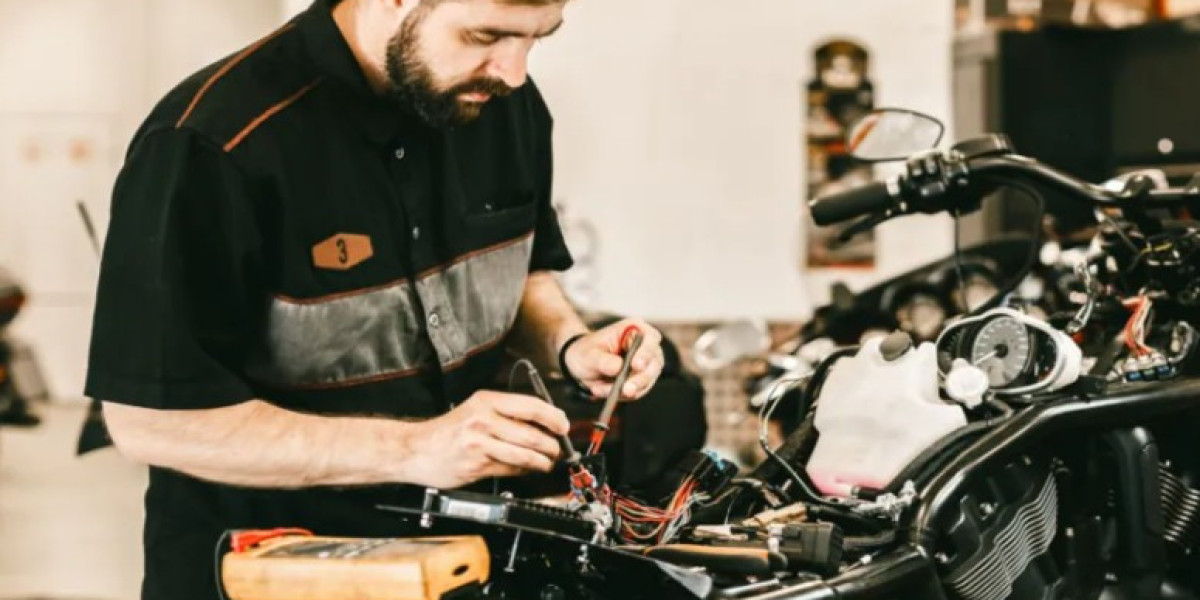
For automotive enthusiasts and mechanics who want to properly diagnose complex mechanical failures—ranging from subtle crankshaft resonance issues to complete drivetrain overhauls—hands-on education is essential. Developing a thorough practical understanding through a dedicated motorbike maintenance course provides valuable, real-world insight into engine tolerances, dynamic balancing, precision torque specifications, and system-wide component diagnostics.
Conclusion
Delamination of harmonic vibration dampers on inline-four crankshafts is rarely a random occurrence. It is almost always the result of a combination of thermal breakdown, chemical contamination from oil or coolant, and extreme mechanical shear stress acting on aging elastomeric bonds. By understanding the physical forces at play inside the crankshaft assembly and taking proactive steps to inspect and maintain front-end engine components, builders and mechanics can protect high-revving inline-four engines from the devastating consequences of torsional resonance failure.