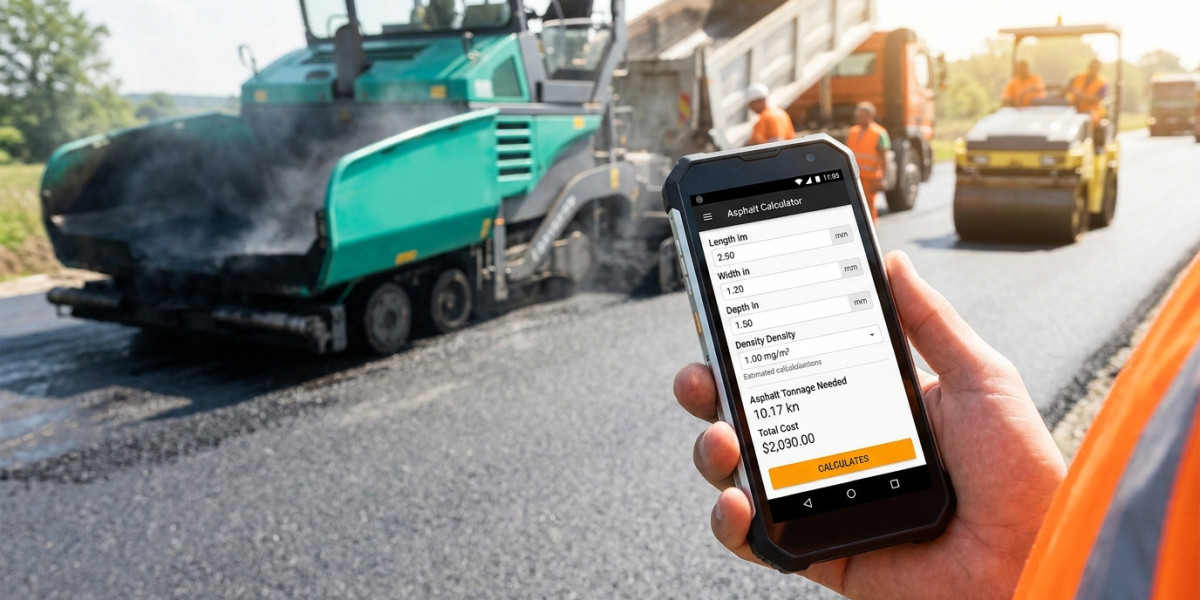

Paving a driveway, parking lot, or roadway starts with knowing exactly how much asphalt you need order too little and you'll face delays and mismatched batches, order too much and you're wasting money on excess material. An asphalt calculator takes the guesswork out of the process by turning your area, thickness, and density inputs into a precise tonnage estimate in seconds, whether you're a homeowner planning a small driveway or a contractor bidding on a commercial lot.
Understanding How an Asphalt Calculator Works
Before you can trust any estimate, it helps to understand the mechanics behind the numbers the tool produces.
What inputs does an asphalt calculator need?
Most calculators ask for three core values: the length and width (or total square footage) of the area to be paved, the desired thickness of the asphalt layer in inches, and the density of the asphalt mix, usually expressed in pounds per cubic foot. Some advanced tools also let you enter compaction factors or choose between hot-mix and cold-mix asphalt, since each has a slightly different density profile that affects the final tonnage.
How is the volume of asphalt calculated?
The calculator first converts your surface area and thickness into a volume figure, typically in cubic feet or cubic yards. This is done by multiplying the paved area by the depth of the asphalt layer, then converting inches to feet so the units align correctly. Getting this step right matters because even a half-inch error in thickness can shift your total material estimate by a noticeable margin on larger jobs.
Why does asphalt density matter in the calculation?
Asphalt isn't a fixed-weight material its density varies based on the aggregate mix, binder content, and compaction level, generally falling between 140 and 150 pounds per cubic foot for standard hot-mix asphalt. The calculator multiplies your volume by this density figure to convert cubic footage into a weight in tons, which is how asphalt is typically priced and ordered from suppliers. Using the wrong density value is one of the most common reasons DIY estimates come in inaccurate.
Step-by-Step Guide to Estimating Your Paving Job
Once you understand the underlying math, running your own estimate becomes straightforward with the right process.
How do you measure the area to be paved?
Start by measuring the length and width of the space in feet, multiplying the two figures to get your total square footage; for irregular shapes like curved driveways, break the area into smaller rectangles and triangles, calculate each separately, and add the results together. Always round up slightly to account for edges and overlap, since asphalt crews rarely pave to an exact hairline boundary.
What thickness should you use for different projects?
Residential driveways typically use 2 to 3 inches of asphalt over a properly prepared base, while heavier-traffic areas like commercial parking lots or roadways often require 3 to 4 inches or more to withstand repeated vehicle loads. Choosing the right thickness isn't just about cost under-specifying depth is a leading cause of premature cracking and potholes, so it's worth checking local paving standards before finalizing your number.
How do you convert the calculator's output into an order quantity?
Once you have your tonnage estimate, add a buffer of 5 to 10 percent to cover compaction loss, uneven subgrade, and minor measurement errors, since asphalt suppliers generally sell by the ton and won't accept small returns of unused mix. It's also smart to confirm the exact density your supplier uses for their specific asphalt blend, since regional mixes can vary and affect your final order size.
Common Mistakes When Estimating Asphalt Needs
Even experienced planners run into a handful of recurring errors that throw off their material estimates.
Why do people underestimate the amount of asphalt needed?
The most frequent mistake is forgetting to account for compaction, since loose asphalt mix settles and compresses once it's laid and rolled, meaning the volume you calculate before installation is larger than what actually ends up as a finished, compacted layer. Skipping this adjustment can leave a project short on material midway through the job.
How does ignoring surface irregularities affect accuracy?
Driveways and lots are rarely perfectly flat, and dips, slopes, or drainage grading can mean certain sections need more asphalt than a flat-area calculation suggests. Failing to walk the site and note these variations before calculating often results in estimates that look accurate on paper but fall short in practice.
What happens if the wrong unit conversions are used?
Mixing up inches and feet, or forgetting to convert cubic feet to cubic yards or tons, is a surprisingly common error, especially when project details are estimated manually rather than run through a dedicated tool. A single missed conversion step can throw an entire order off by a significant margin, which is exactly the kind of mistake an automated calculator is designed to eliminate.
Tips for Getting the Most Accurate Asphalt Estimate
A few extra habits can tighten up your numbers well beyond a basic calculation.
Should you get multiple measurements before finalizing your estimate?
Measuring the area twice, ideally by two different people or at two different times, helps catch transcription errors and confirms your dimensions are consistent before you commit to an order. This is especially useful on large or oddly shaped sites where a single measurement pass is more prone to mistakes.
How can you account for waste and material loss?
Beyond the standard compaction buffer, factor in loss from truck-to-site transfer, spillage during spreading, and trimming at edges, all of which add up on larger projects. Many contractors build a flat 10 percent contingency into every order specifically to cover these unavoidable losses.
When should you consult a paving professional instead of relying solely on a calculator?
For complex sites with multiple grades, drainage requirements, or heavy load specifications, a calculator is a great starting point but shouldn't replace a professional site assessment, since factors like subgrade condition and climate can influence both material choice and thickness recommendations. Using the estimate as a baseline for a conversation with your contractor typically leads to a more reliable final order than relying on the number alone.
Getting your asphalt quantity right the first time saves money, prevents project delays, and avoids the hassle of last-minute material orders. For a fast, reliable way to run these calculations, try the free Asphalt calculator alongside the full suite of construction and home improvement tools available on multiconverters.net.