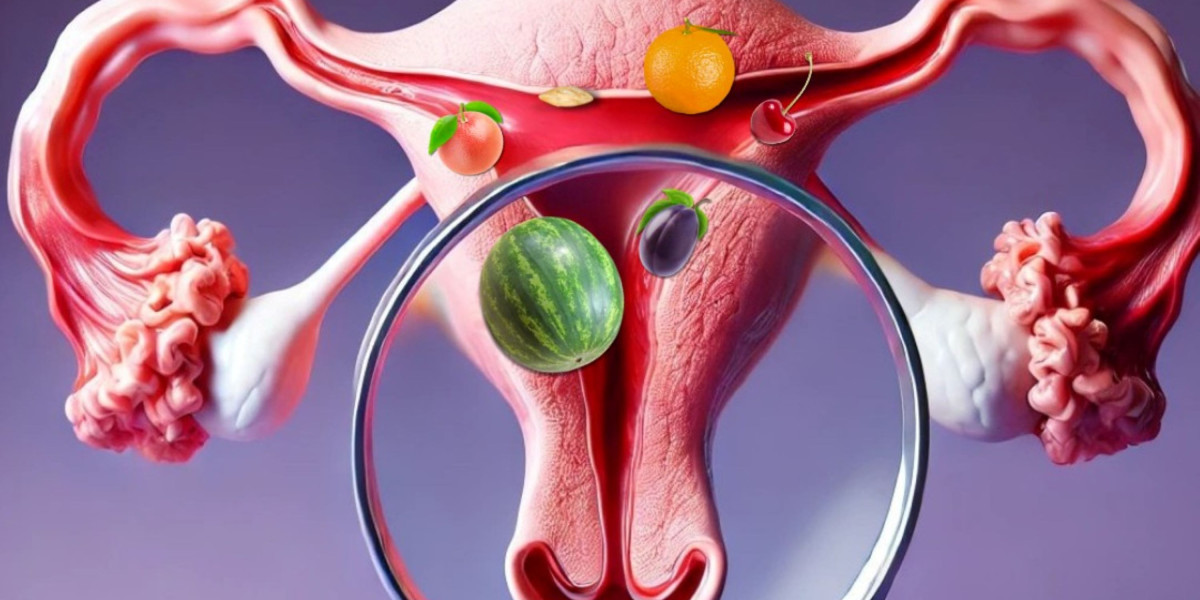

Uterine fibroids can affect women in different ways. While some fibroids may not cause symptoms, others can contribute to heavy periods, pelvic pain, pressure, bloating, and frequent urination. When symptoms begin interfering with daily life, understanding available treatment options becomes important. One minimally invasive option is UFE, and learning How Does UFE Work can help women understand what happens during this procedure.
Understanding UFE
Uterine Fibroid Embolization, commonly called UFE, is a minimally invasive treatment that focuses on the blood vessels supplying uterine fibroids. Rather than surgically removing the uterus or making a large incision, the procedure uses a thin catheter and imaging technology to reach the vessels connected to the fibroids.
The goal is to decrease the blood supply reaching the targeted growths, encouraging them to shrink gradually.
What Happens During Treatment?
The process typically begins with a small entry point in an artery, often in the wrist or groin. An interventional radiologist carefully guides a catheter through the blood vessels toward the uterine arteries.
Imaging helps the specialist identify the vessels supplying the fibroids. Once the correct location is reached, tiny embolic particles are introduced through the catheter. These particles help restrict blood flow to the fibroids.
After the treatment is completed, the catheter is removed and the access site is closed. Since UFE does not require a large surgical incision, it can offer a less invasive alternative to some surgical approaches.
How Can Reduced Blood Flow Affect Fibroids?
Fibroids require a blood supply to maintain their growth. When that supply is reduced, the fibroids can gradually become smaller.
As the growths shrink, symptoms associated with them may also improve. Depending on the individual case, women may experience improvement in heavy menstrual bleeding, pelvic pressure, abdominal discomfort, or bladder-related symptoms.
Results are not identical for everyone, and improvement can occur gradually rather than immediately.
Does UFE Remove the Uterus?
No. One important feature of UFE is that the uterus remains in place. This can make it an appealing option for women who want to avoid hysterectomy.
However, women who are considering future pregnancy should discuss their reproductive goals with their healthcare provider. A specialist can explain how different treatment options may relate to fertility and pregnancy.
What Can Recovery Involve?
Recovery following UFE varies from person to person. Temporary cramping, tiredness, nausea, or discomfort may occur after treatment. These symptoms generally improve during the recovery period.
Patients are usually given specific instructions about medication, physical activity, follow-up care, and returning to normal routines.
Choosing the Right Treatment
The most appropriate fibroid treatment depends on several factors, including the number, size, and location of fibroids, symptoms, medical history, and personal treatment goals.
Speaking with experienced specialists at USA Fibroid Centers can help women understand whether UFE may be an appropriate option for their individual situation.
Conclusion
So, how does UFE work? The procedure uses image guidance and a small catheter to reduce blood flow to uterine fibroids. With less blood supply, targeted fibroids may gradually shrink, potentially reducing uncomfortable symptoms. For women seeking a minimally invasive approach while keeping the uterus intact, discussing UFE with a qualified specialist may be worthwhile.