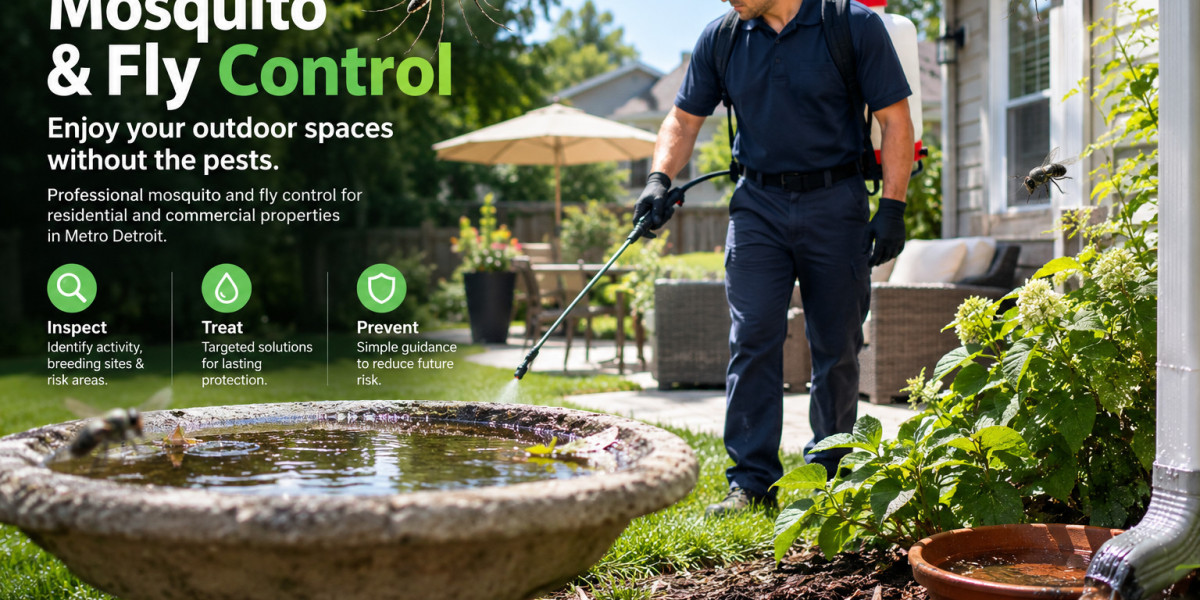

Pest problems often begin quietly. A few insects near a window or an occasional sound inside a wall may seem insignificant, yet repeated signs can point to conditions that deserve attention. Homeowners can reduce many risks by understanding how pests move, what they seek, and which parts of a property require regular observation.
Think About Movement
Pests rarely appear indoors without a reason. They may follow food odors, seek water, or move toward warmer shelter when outdoor conditions change. Buildings with connected walls, utility openings, garages, and older construction can offer several possible routes.
Rather than checking only rooms where pests have been seen, consider the path between the exterior and interior. This wider view can reveal problems that are easy to overlook.
Inspect Quiet Spaces
Busy rooms receive regular cleaning, but less-used areas may go unnoticed. Attics, utility closets, garages, basements, and storage corners can provide darkness and protection. Periodically move stored items and inspect behind them.
Look for droppings, webbing, shed skins, nesting material, gnaw marks, or damaged packaging. These clues can help show whether a space is simply dusty or experiencing unwanted activity.
Keep the Building Dry
Moisture management is an important part of property care. Check around plumbing fixtures, appliances, roof areas, and basement walls for leaks or persistent dampness. A small water problem can become more significant when it remains unresolved.
Outdoor drainage matters too. Downspouts should move rainwater away from the structure, while clogged gutters should be cleared before water spills against walls or foundations.
Make Food Less Accessible
Even small amounts of food can support pest activity. Clean preparation surfaces after cooking, sweep under tables and appliances, and keep waste containers closed. Store ingredients in containers that provide a dependable seal.
Do not overlook pet supplies. Food left on the floor can attract unwanted visitors, particularly overnight when household activity is lower.
Strengthen Vulnerable Areas
Windows, doors, vents, and service openings deserve a close look. Damaged screens, gaps beneath doors, and openings around cables can provide convenient access. Repairing these areas does not guarantee a pest-free home, but it can remove common routes.
A seasonal exterior walkaround is a practical way to find new cracks or damaged materials before they become persistent problems.
Consider Professional Evaluation
When activity continues, identifying the cause is more useful than repeatedly treating whatever happens to be visible. Different species have different habits, hiding locations, and control requirements.
Homeowners researching pest control Novi MI can benefit from choosing a provider that begins with a property assessment rather than making assumptions from a single sighting. Understanding the source can help create a more targeted plan.
Keep Records of Changes
A simple record can provide useful information. Note where pests are seen, whether sightings happen during the day or night, and whether activity changes after rain or temperature shifts. Patterns may reveal when and where the problem is strongest.
This information can also make professional conversations more productive because it gives the inspector additional context.
Prevention Is an Ongoing Task
No single repair can prevent every pest problem. A stronger approach combines housekeeping, maintenance, storage, drainage, and observation. Review these areas periodically and respond when conditions change.
The goal is not to make a property perfect. It is to reduce the easy resources and pathways that allow pests to settle in.
A More Secure Living Environment
Pest prevention is ultimately about managing the conditions around a home. By inspecting overlooked spaces, limiting food and moisture, maintaining the exterior, and responding to repeated signs, homeowners can reduce avoidable risks.
If activity becomes persistent, a professional assessment can help identify what ordinary maintenance cannot. A clear understanding of the problem makes future prevention more practical and less disruptive.
Review Repairs Periodically
A repair that works today may need attention later. Door seals wear down, screens develop tears, and exterior joints can shift with age. Include these areas in ordinary home inspections rather than assuming they will remain secure indefinitely.
Use Signs as Information
Pest evidence should be treated as useful information rather than simply an annoyance. A trail can point toward a food source, while damage near a wall may suggest an access route. Together.