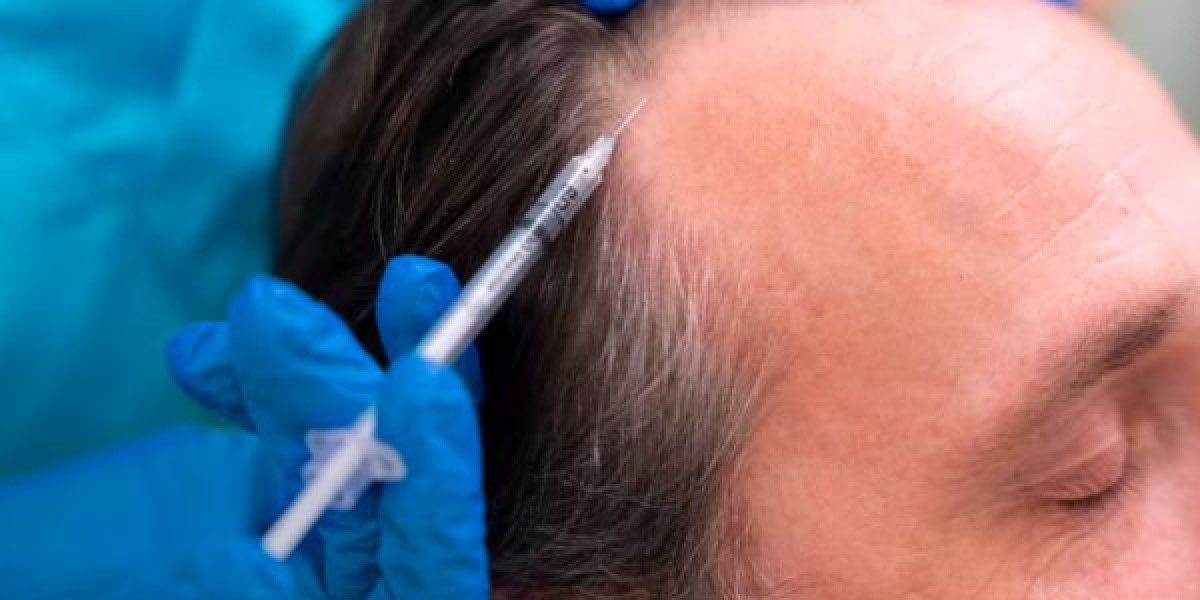

Hair transplantation is generally considered a long-term approach to restoring hair in areas affected by certain types of permanent hair loss. However, the longevity of the result depends on several individual factors.
A Hair Transplant in Dubai (زراعة الشعر في دبي) involves relocating follicular units from a donor area to areas experiencing thinning or baldness. When suitable follicles are selected, the transplanted hair can continue growing for many years.
This does not mean that every existing hair on the scalp will remain unchanged. Understanding the difference between transplanted follicles and native hair is important when considering the long-term outcome.
Why Donor Hair Matters
The donor area is one of the most important factors in determining the potential longevity of hair restoration. Follicles are typically selected from areas that are more resistant to common patterns of hair loss.
The quality, density, and characteristics of the donor hair can influence how much restoration is possible.
Because donor follicles are limited, careful management is also important. Using the available grafts strategically can help preserve options for future needs.
Transplanted Hair and Existing Hair
A hair transplant does not stop the natural aging process or necessarily prevent existing native hair from thinning.
The transplanted follicles may continue producing hair while untreated hair around them gradually becomes thinner. This can change the overall appearance of the scalp over time.
For this reason, long-term restoration planning should consider both transplanted and native hair.
Hair Transplant in Dubai and Long-Term Expectations
People considering Hair Transplant in Dubai often want to know whether they will need another procedure in the future.
There is no universal answer. Some individuals may maintain satisfactory coverage for many years, while others may experience additional thinning in untreated areas.
Age, genetics, the pattern of hair loss, donor availability, and the progression of native hair loss can all influence future needs.
Does Transplanted Hair Keep Growing?
Once transplanted follicles establish themselves, they can enter a normal hair growth cycle in their new location.
The visible hair initially goes through a gradual development process. After maturation, the transplanted follicles can continue producing hair according to their natural growth characteristics.
Hair still grows and sheds naturally, so long-term maintenance does not mean that the hair remains exactly the same at every moment.
What Can Affect Result Longevity?
Several factors can influence how the restoration looks over time. Donor hair quality, the extent of hair loss, age, genetics, existing hair density, and treatment planning can all play a role.
Lifestyle and general health can also affect overall hair condition, although these factors do not determine the behavior of transplanted follicles alone.
A realistic assessment before treatment can help establish expectations for the future.
The Importance of Long-Term Planning
A restoration plan should consider more than the areas that are currently bald or thinning.
If hair loss is still progressing, additional areas may become affected later. Planning around possible future changes can help prevent an imbalanced appearance.
This is particularly important for younger individuals who may have many years of potential hair loss ahead.
Preserving the Donor Supply
The donor area contains a finite number of suitable follicles. Once a follicular unit has been extracted, it cannot simply be replaced.
Strategic graft use is therefore important for long-term restoration. Removing more grafts than necessary can reduce the available supply for future procedures.
Good donor management focuses on both the immediate result and the person's potential future needs.
Can Future Hair Loss Change the Appearance?
Yes, future hair loss can change the overall appearance even when transplanted follicles remain healthy.
For example, if native hair behind a restored hairline becomes thinner, the contrast between the transplanted and untreated areas may become more noticeable.
This is why restoration should be designed with future hair loss in mind rather than focusing only on today's appearance.
Hairline Design and Future Aging
Hairline placement should generally be appropriate for the person's current age as well as their potential future appearance.
Creating an excessively low hairline may require more grafts and may become less natural-looking as the individual ages.
A conservative and balanced design can help maintain facial harmony over the long term.
How Hair Characteristics Influence Longevity
Hair thickness, texture, curl, color, and growth pattern can influence how much coverage the scalp appears to have.
Thicker or textured hair may provide greater visual coverage, while fine hair can make scalp visibility more noticeable.
These characteristics should be considered when evaluating what kind of long-term improvement may be realistic.
What Happens as You Age?
Hair characteristics naturally change with age. Individual strands may become finer, growth cycles can change, and native hair density may gradually decrease.
Transplanted follicles may continue growing, but the overall appearance of the scalp can still evolve as surrounding hair changes.
Long-term expectations should therefore account for normal aging rather than assuming that the scalp will maintain the same appearance indefinitely.
Can Hair Transplant Results Be Maintained?
Once the scalp has recovered and the transplanted follicles have matured, normal hair care can generally continue according to individual needs.
However, maintaining the overall appearance may also involve paying attention to native hair loss.
If existing hair begins thinning significantly, additional treatment options may sometimes be considered depending on the individual's circumstances.
When Might Another Procedure Be Considered?
A second procedure is not automatically necessary. It may be considered if substantial additional hair loss occurs, if greater coverage is desired, or if a specific area remains less dense than expected.
The decision depends on donor availability and the condition of both transplanted and native hair.
Using donor resources carefully during the initial procedure can help preserve flexibility if future restoration becomes necessary.
Realistic Expectations for Lasting Results
No responsible hair restoration plan should promise that the entire scalp will remain unchanged permanently.
Instead, realistic expectations focus on improving coverage with suitable donor follicles while understanding that native hair can continue to age and thin.
The strongest long-term approach is one that considers the person's current condition, future hair loss pattern, and available donor resources.
When Should You Evaluate the Final Result?
Hair growth takes time, so the immediate post-treatment appearance is not an accurate representation of the final outcome.
Temporary shedding can occur before new growth develops. The transplanted hair then gradually becomes more visible and mature.
Once sufficient time has passed for the growth cycle to develop, the overall coverage and appearance can be evaluated more meaningfully.
Final Thoughts
Hair restoration can provide long-lasting improvement when suitable donor follicles are carefully selected and strategically transplanted. However, future native hair loss and natural aging can influence the appearance over time. If you are considering Hair Transplant in Dubai, understanding donor limitations, future thinning, hairline planning, and realistic expectations can help you make a better-informed decision. TAJMEELS DUBAI عيادة تجميل offers personalized hair restoration options designed around individual hair loss patterns and long-term aesthetic goals.