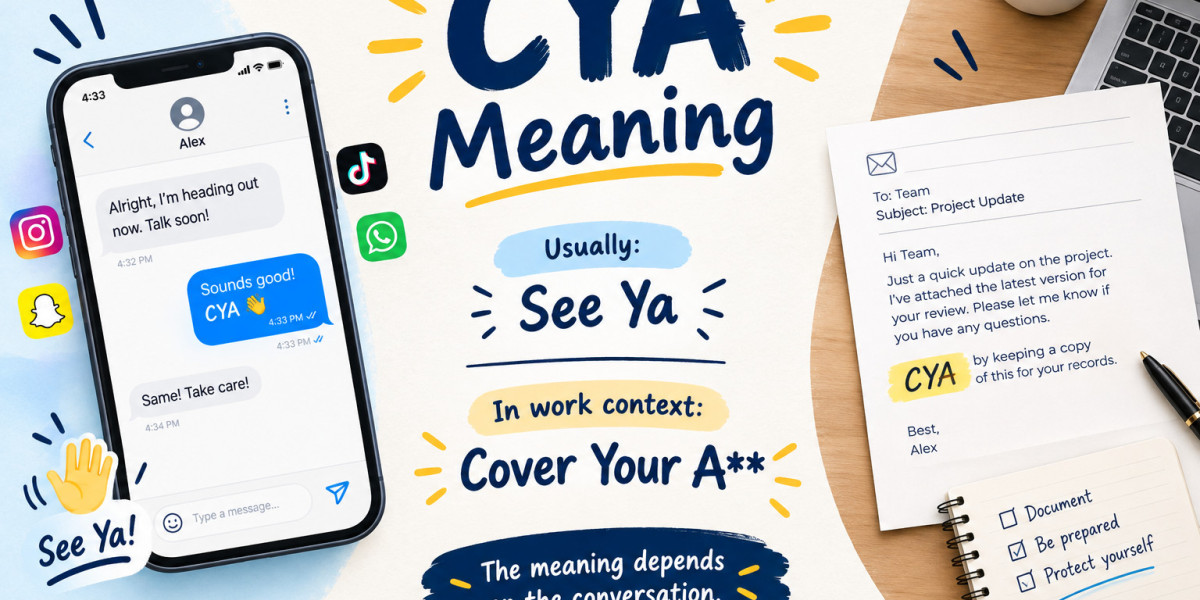

Saying goodbye used to follow predictable patterns. People might say “goodbye,” “see you later,” or wave before leaving. Digital communication has changed that habit. Today, people often end conversations with short expressions, abbreviations, emojis, or playful phrases. These choices are influenced by texting, social media, gaming, and the fast pace of online communication.
Why Digital Goodbyes Are Often Short
One reason online farewells are shorter is convenience. Messages are designed to be quick, especially when two people are familiar with each other. Typing a long goodbye can feel unnecessary when a simple phrase can communicate the same idea.
Short farewells can also keep a conversation relaxed. Friends may use one or two words before leaving a chat, while family members might send a warmer message. The choice often depends on the relationship and the mood of the conversation.
Familiar Expressions Create Comfort
Digital culture has introduced many expressions that people recognize. Some are shortened versions of common phrases, while others have developed through internet communities. Because these expressions are familiar, they can make a conversation feel easier and more natural.
For example, someone searching for the cya meaning may discover that the expression is used as a casual way of saying “see you.” Its appeal comes partly from its simplicity. It feels friendly without requiring a formal closing.
Social Media Influences Farewell Habits
Social media has played a role in changing how people end conversations. Platforms encourage quick comments, short replies, and rapid exchanges. Users may move between several conversations in a short period, so lengthy closing messages are not always practical.
Online communities can also create their own ways of saying goodbye. Gamers, content creators, students, and social groups may use expressions that become familiar within their circles. These phrases can eventually spread beyond their original communities when other users adopt them.
Tone Matters More Than the Words
The same farewell can have different meanings depending on how it is used. An expression may sound warm when sent between close friends but seem distant in another situation. Emojis, punctuation, and previous messages can provide clues about the intended tone.
For this reason, digital communication requires people to consider context. A message ending with a smile or friendly emoji may feel welcoming, while a brief response without additional wording might seem abrupt. Neither interpretation is automatic because relationships and conversation styles vary.
Emojis Add Personality to Goodbyes
Emojis have become another important part of digital farewells. A simple wave, smile, heart, or laughing face can change the feeling of a short message. Instead of adding several sentences, people can use a visual symbol to communicate emotion.
This makes digital communication different from traditional writing. In a face-to-face conversation, people rely on gestures and facial expressions. Online, emojis can provide those emotional signals and help make short messages easier to interpret.
Digital Goodbyes Keep Evolving
Language on the internet changes quickly. Expressions that are popular today may become less common as new trends appear. Some farewells remain useful because they are simple, while others become associated with particular platforms or generations.
This constant change shows that language is flexible. People adapt their words to match the tools they use. As messaging platforms develop new features, users may create creative ways to close conversations.
Choosing the Right Farewell
There is no single correct way to end a digital conversation. The best choice depends on the situation, the relationship, and the level of formality. A professional discussion may need a complete closing, while a friendly chat can end with a short expression.
Understanding these differences helps people communicate more effectively. A familiar digital farewell can save time while still making the conversation feel friendly. The key is knowing when an informal expression fits the situation.
Digital culture has made goodbyes more flexible, personal, and creative. People now have many ways to leave a conversation without sounding overly formal. Short expressions, emojis, and community-based slang all show how communication continues to adapt to modern online life today. As online conversations become increasingly common, digital farewells will likely keep changing often while serving the same purpose: letting people leave a conversation clearly and very naturally.