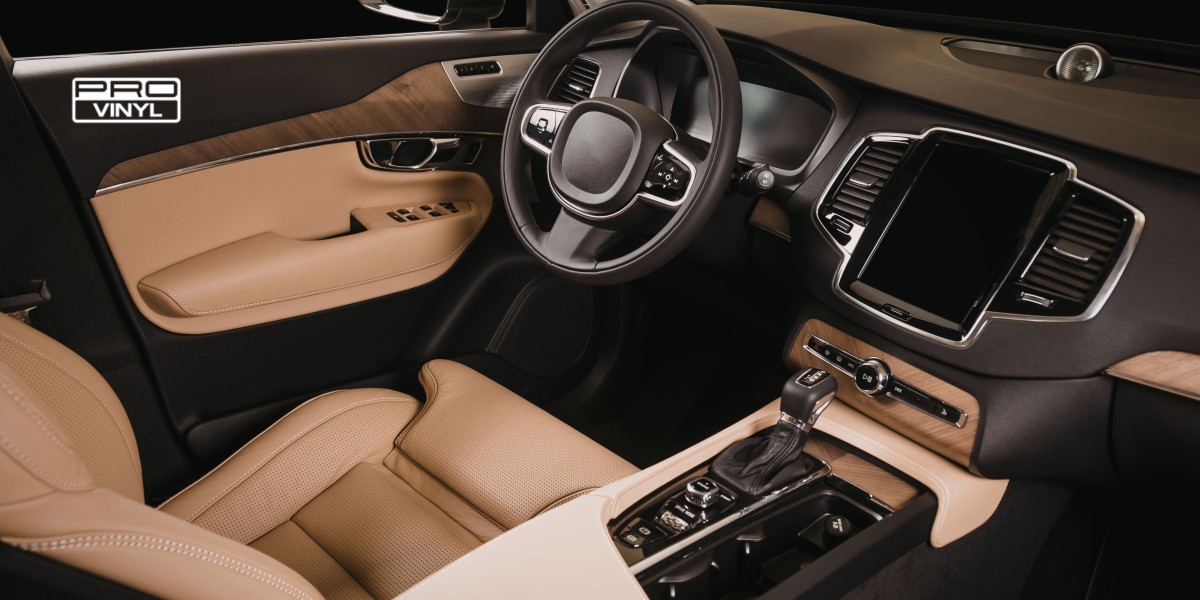

The interior of a car shapes how it feels just as much as the exterior shapes how it looks. It's the space you actually sit in, touch, and notice every time you get behind the wheel — and over time, factory trim can start to feel dated, worn, or simply not reflective of your own style. Vinyl wrapping offers a practical way to refresh existing interior surfaces without the cost or hassle of replacing them entirely.
Through different colours, textures, and finishes, interior vinyl wrapping makes it possible to create a genuinely customised cabin — one that feels modern, cohesive, and distinctly yours. This article explores what a car interior wrap actually involves, which surfaces can be transformed, and how to decide whether it's the right option for your vehicle.
What Is Interior Vinyl Wrapping?
Automotive interior vinyl wrapping involves applying specialised vinyl film to selected interior surfaces, changing their appearance without removing or replacing the original components underneath. The vinyl is carefully measured, cut, and applied directly over existing trim, transforming its look while leaving the factory piece intact beneath it.
This is the key difference between interior wrapping and replacing factory components: wrapping works with what's already there, while replacement means sourcing and fitting entirely new parts — often at a higher cost and with less flexibility if you want to change your mind later. Interior wraps are available in a wide range of finishes, including matte, gloss, satin, carbon-look, and various textured options, giving owners genuine choice in how their cabin ultimately looks and feels.
Which Parts of a Car Interior Can Be Wrapped?
A variety of interior surfaces are commonly wrapped, including dashboard trims, centre consoles, door trims, interior panels, steering wheel surrounds, decorative trim pieces, and other suitable hard surfaces throughout the cabin.
Suitability isn't universal, though — it depends on the material, shape, and condition of each specific component. Some surfaces take vinyl beautifully, while others may require a different approach depending on their texture or how exposed they are to daily wear. A proper assessment before starting the project helps determine exactly which areas are good candidates.
How Can a Car Interior Wrap Change the Cabin?
Interior wrapping offers several ways to genuinely transform how a cabin feels. It can modernise an outdated interior, bringing a tired-looking trim set up to a more current standard. It allows for a truly personalised appearance, letting owners choose finishes that reflect their own taste rather than settling for factory defaults. It can add contrast or create a more consistent colour scheme throughout the cabin, tying different elements together visually.
Wrapping can also change the visual texture of trim entirely — turning a plain plastic surface into something that reads as carbon fibre, brushed metal, or soft-touch matte. It's an effective way to refresh worn-looking surfaces that have faded or scuffed over time. And for owners who've already wrapped their vehicle's exterior, interior wrapping offers the opportunity to match the cabin with that exterior finish, creating a cohesive look inside and out.
Interior Vinyl Wrapping vs Replacing Interior Trim
When weighing up cost, interior wrapping is generally more affordable than sourcing and fitting new components, particularly for genuine or hard-to-find factory parts. In terms of customisation, wrapping offers considerably more flexibility, with hundreds of finishes available compared to the limited factory options typically offered for replacement trim.
Installation time also favours wrapping, which is usually completed much faster than ordering and fitting new parts. Wrapping is reversible, meaning the original trim can be revealed again later if desired, whereas replacement is generally permanent once installed. The availability of finishes is far broader with wrapping, covering everything from subtle matte tones to bold custom colours. And because wrapping sits over the original component, it supports genuine preservation of original components, which can matter for resale or maintaining factory condition underneath.
What Makes a Professional Interior Wrap Different?
The quality of an interior wrap comes down to the details. Proper surface preparation ensures the vinyl adheres correctly from the outset. Accurate measurements are essential given how intricate many interior components are, particularly around buttons, vents, and switches. Careful disassembly, where required, allows for a cleaner, more complete wrap rather than working awkwardly around fixed parts.
Using quality automotive-grade vinyl ensures the finish holds up to the specific demands of an interior environment, including heat and regular contact. Precise trimming and clean application around curves and edges are what separate a professional result from an amateur attempt, particularly on detailed pieces like console surrounds or door handles. Ultimately, all of this depends on experienced installation — skill that comes from having worked on genuinely varied interior components before.
How Long Can Interior Vinyl Wrapping Last?
Durability depends on a combination of factors rather than a single fixed answer. Heat plays a significant role, particularly in vehicles regularly exposed to direct sunlight, along with general sun exposure over time. Cleaning products matter too — harsh chemicals can affect vinyl differently than gentle, appropriate cleaners. Everyday use, including how often surfaces are touched or how the vehicle is generally treated, also factors into how long a wrap continues to look its best.
Quality materials and professional installation genuinely matter here, since a well-selected vinyl applied correctly tends to hold up considerably better over time than a rushed or lower-grade alternative. Rather than offering an unsupported guarantee, it's realistic to say that with proper care, a professionally installed interior wrap can look great for a meaningful period — though asking about the specific material's expected performance is the most accurate way to set expectations.
Is Interior Wrapping Right for Your Car?
A few practical considerations can help determine whether interior wrapping makes sense for your vehicle. Consider the current condition of the interior — surfaces in reasonable condition tend to be better candidates than heavily damaged ones. Think about your desired style, and whether wrapping can realistically achieve the look you're after. Factor in your budget, comparing it against the cost of alternative options like replacement. Consider how long you intend to keep the vehicle, since this can influence how much value you get from the investment. Think about the type of surface involved, since not every material or shape is equally suited to wrapping. And be realistic about your maintenance expectations, since certain finishes require more careful care than others.
Why Choose PROvinyl for Car Interior Wrapping?
PROvinyl brings professional installation to every interior wrapping project, backed by automotive-grade materials chosen specifically for the demands of a vehicle's cabin. With a genuine variety of colours and finishes available, owners have real flexibility in how they want their interior to look. Careful attention to detail throughout the process ensures a clean, precise result, particularly around the trickier curves and edges interior components often present.
Every project is treated as a customised solution rather than a one-size-fits-all package, drawing on the experience of specialists who understand how to work with a wide range of interior surfaces. The focus throughout is on clean, factory-quality results — a finish that looks like it genuinely belongs in the vehicle, rather than an obvious addition.
Frequently Asked Questions
What is interior vinyl wrapping?
Interior vinyl wrapping is the process of applying specialised vinyl film to a vehicle's interior surfaces to change their appearance without replacing the original components.
What parts of a car interior can be wrapped?
Common areas include dashboard trims, centre consoles, door trims, interior panels, steering wheel surrounds, and other suitable decorative trim pieces.
Is a car interior wrap removable?
Yes — when installed and removed correctly, interior wraps can generally be taken off without damaging the original trim underneath.
How long does interior vinyl wrapping last?
Durability depends on factors like heat exposure, cleaning practices, and everyday use, though quality materials and professional installation help maximise how long the wrap looks its best.
Can interior wrapping be matched with an exterior wrap?
Yes — many owners choose to coordinate their interior finish with an existing or planned exterior wrap for a cohesive overall look.
Conclusion
Interior wrapping offers a genuine way to transform the look and feel of a car's cabin without needing to replace every worn or outdated component. With the right materials and professional preparation, it delivers a clean, factory-quality result that reflects your own style — whether that's a subtle refresh or a complete visual overhaul.
Ready to give your car's cabin a fresh new look? Contact PROvinyl to explore interior vinyl wrapping options for your vehicle.













