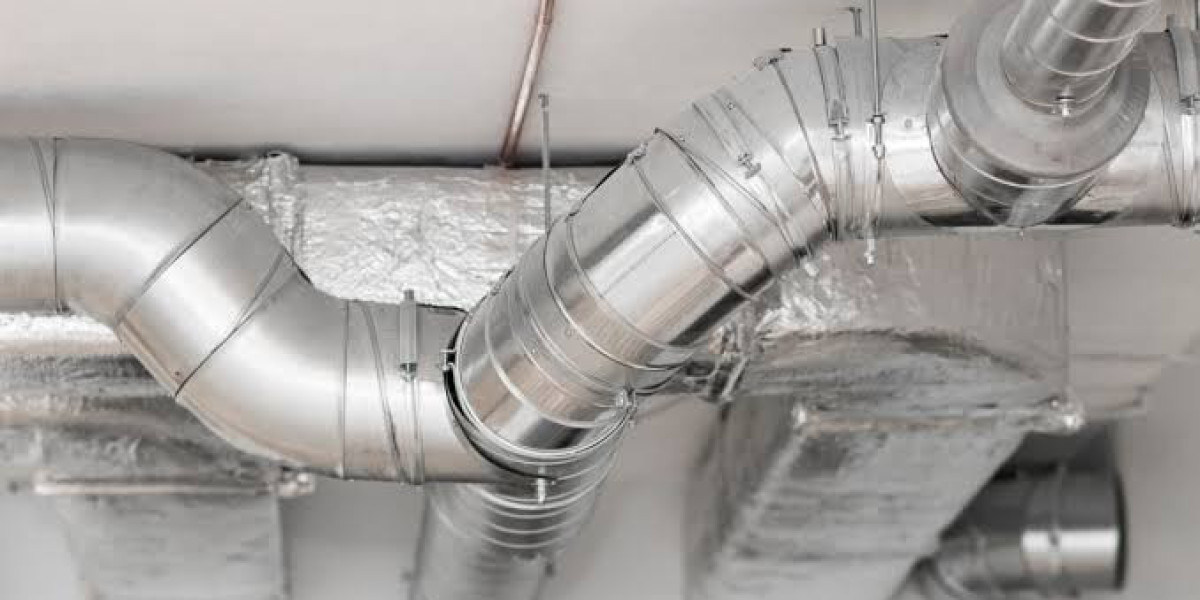

Understanding HVAC Ductwork
Ductwork is a network of passages that transports conditioned air from an HVAC unit to different areas of a building. It may run through attics, ceilings, walls, basements, crawl spaces, or other hidden locations.
Because much of the system is concealed, duct problems may develop without obvious visual signs. Small openings, loose connections, crushed flexible ducts, or deteriorated insulation can gradually affect airflow and comfort.
Common Signs of Damaged Ducts
Uneven temperatures are among the most common indications of ductwork problems. A bedroom may feel warmer than the living room, or certain areas may receive noticeably less airflow than others.
Strange sounds can also provide clues. Whistling, rattling, or unusual air movement around vents may indicate loose connections or gaps. Homeowners may also notice excessive dust, weak airflow, or longer HVAC operating cycles.
Unexpected increases in energy consumption can be another warning sign. If conditioned air escapes through damaged sections, the HVAC equipment may need to operate longer to maintain the thermostat setting.
Why Timely Repairs Are Important
When ducts leak or become disconnected, valuable conditioned air can be lost before it reaches its destination. This can reduce comfort and place additional demand on the HVAC system.
Effective ductwork repair addresses problems such as loose joints, damaged sections, insufficient sealing, and deteriorated insulation. Restoring the duct system can help air move more effectively and may improve temperature consistency across the property.
Repairing smaller problems early can also prevent them from becoming more extensive. Ignored damage may worsen because of vibration, moisture, temperature changes, or continued system operation.
What Happens During a Duct Inspection?
A professional assessment usually begins with an examination of accessible duct sections and connections. The technician may look for visible gaps, tears, crushed areas, insulation problems, and other conditions that could affect airflow.
Depending on the situation, airflow performance may also be evaluated. Once the problem is identified, the appropriate solution can range from sealing a small opening to repairing or replacing a damaged section.
When Should You Consider Professional Assistance?
Professional help may be appropriate when multiple rooms have inconsistent temperatures, vents produce weak airflow, or unusual sounds continue during HVAC operation. It is also sensible to seek an evaluation when accessible ductwork shows visible damage.
Since ducts can be located in difficult-to-reach areas, professional inspection can provide a more complete understanding of the system.
Final Thoughts
Ductwork has a major influence on how effectively an HVAC system distributes conditioned air. Paying attention to uneven temperatures, weak airflow, unusual sounds, and rising energy use can help identify potential problems. Proper ductwork repair can restore damaged sections, improve airflow, and support consistent indoor comfort while helping the HVAC system perform more effectively.