
Diet and Lifestyle After Liposuction in Riyadh
Securing a sculpted, refined silhouette through liposuction is an exciting milestone, but safeguarding that investment requires a deliberate commitment to long-term wellness. Board-certified plastic surgeons across Riyadh frequently remind patients that while liposuction permanently extracts targeted fat cells, it does not grant lifelong immunity to future weight gain. Maintaining your new body contours depends heavily on cultivating sustainable, healthy daily habits regarding nutrition, hydration, and physical activity. Integrating these practices into your lifestyle ensures that the aesthetic improvements achieved during your body contouring procedure endure gracefully for years to come.
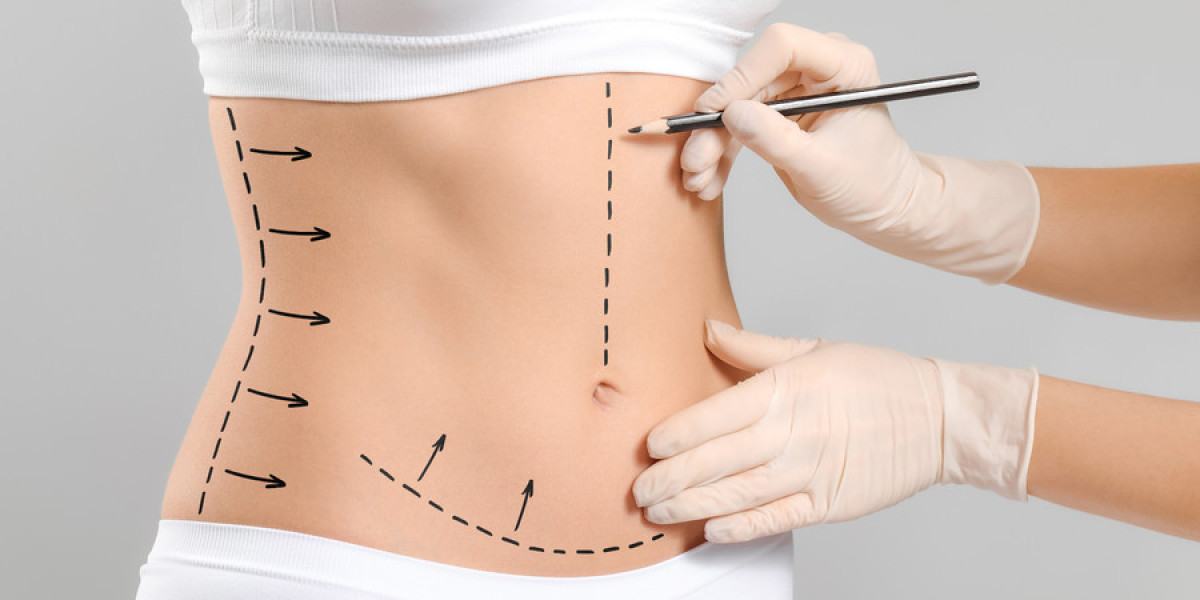
Liposuction in Riyadh offers a body contouring option for people looking to reduce stubborn fat and achieve a more defined body shape.
Understanding Fat Cell Biology Post-Surgery To appreciate why diet and lifestyle matter so much after liposuction, it helps to understand how fat cells behave in the adult human body. During your procedure, a specialized surgical cannula permanently removes a significant percentage of fat cells from specific treatment zones—such as the abdomen, flanks, thighs, arms, or chin. Because those exact cells are extracted and eliminated, they cannot regenerate.
However, thousands of remaining fat cells still exist throughout both the treated areas and untreated regions of your body. If you consume more calories than you burn over a sustained period, those remaining fat cells will expand in size to store the excess energy. While your overall pattern of weight distribution will likely remain more balanced due to the reduced number of cells in the sculpted zones, significant weight gain can still blur your sharp lines and compromise your results. Maintaining a stable weight is therefore the single most effective way to preserve your surgical outcome.
Nutritional Foundations for Lasting Results Adopting a balanced, nutrient-dense diet is the cornerstone of post-liposuction maintenance. In a vibrant city like Riyadh, where diverse culinary options abound, prioritizing wholesome, unprocessed foods keeps your metabolism steady and prevents unwanted calorie surpluses.
Focus your daily meal planning around these nutritional pillars:
Lean Proteins: Incorporate chicken, fish, eggs, tofu, and legumes into your meals. Protein provides the essential amino acids required to maintain muscle mass, support metabolic health, and keep you feeling satiated longer.
Complex Carbohydrates: Swap refined white flours and sugary snacks for high-fiber, nutrient-rich complex carbohydrates such as quinoa, brown rice, oats, and sweet potatoes, which provide sustained energy without blood sugar spikes.
Healthy Fats: Include moderate amounts of beneficial fats found in avocados, olive oil, nuts, and seeds to support cellular function and hormone regulation.
Abundant Vegetables and Fruits: Fill half your plate with colorful, fiber-rich vegetables and fresh fruits loaded with antioxidants that combat inflammation and promote vibrant skin health.
Portion control is equally critical. Eating mindfully and listening to your body's natural hunger and fullness cues prevents accidental overeating, even when consuming healthy foods.
The Vital Role of Hydration Proper hydration is frequently underestimated in post-operative body maintenance, yet it plays a monumental role in metabolic efficiency, skin elasticity, and overall physiological health. Water is essential for processing nutrients, flushing out metabolic waste, and supporting cellular repair.
Make it a daily habit to drink ample water throughout the day, adjusting your intake based on your activity level and the warm climate. Staying well-hydrated also helps prevent fluid retention, ensuring that any residual post-surgical swelling resolves efficiently and your skin maintains its natural tightness and suppleness.
Integrating Regular Physical Activity Once you have fully recovered from your liposuction procedure and received formal clearance from your plastic surgeon—typically around four to six weeks post-surgery—establishing a consistent exercise routine is vital. Exercise not only burns calories to maintain weight stability but also builds and preserves lean muscle mass, giving your newly sculpted contours a firm, athletic appearance.
A well-rounded fitness regimen should combine two primary training styles:
Cardiovascular Exercise: Engage in regular aerobic activities such as brisk walking, swimming, cycling, or jogging for 150 minutes per week. Cardio boosts heart health, elevates your daily caloric expenditure, and enhances overall stamina.
Strength Training: Incorporate resistance training, weightlifting, or bodyweight exercises two to three times per week. Building muscle increases your resting metabolic rate, meaning your body burns more calories even when you are at rest.
Finding physical activities that you genuinely enjoy—whether visiting a local fitness center in Riyadh, swimming, or playing a sport—makes it much easier to maintain consistency over the long term.
Managing Lifestyle Stress and Sleep Diet and exercise are only two components of a healthy lifestyle; stress management and restorative sleep are equally crucial for metabolic regulation. Chronic psychological stress triggers the release of cortisol, a hormone that stimulates appetite, encourages fat storage around the abdominal cavity, and undermines weight stability.
Prioritize getting seven to eight hours of quality sleep each night to allow your body to recover, balance your hunger hormones (ghrelin and leptin), and maintain optimal energy levels for your daily routines.
Ultimately, viewing liposuction as the ultimate catalyst for a healthier, more active life transforms your perspective. By pairing advanced surgical artistry with mindful nutrition, consistent hydration, and regular exercise, you will enjoy a beautifully proportioned, confident silhouette that enhances your well-being for a lifetime.