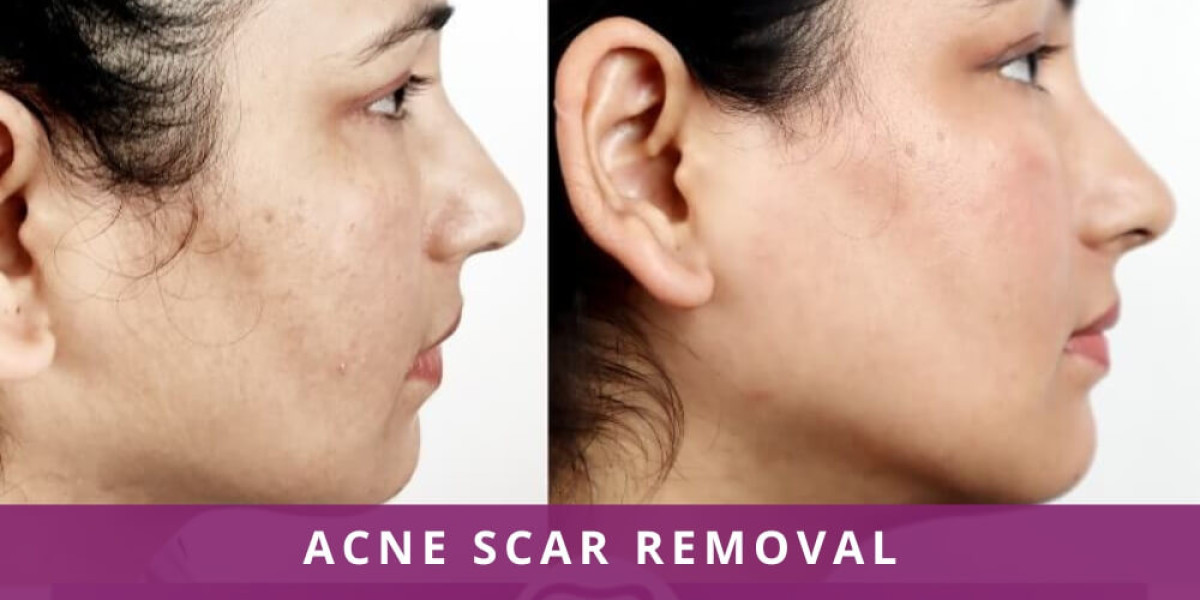

Acne Scar Removal in Jeddah: A Guide to Achieving Smoother and More Even-Looking Skin
Acne is a common skin concern that can affect people at different stages of life. Although active acne may eventually disappear, the scars and marks it leaves behind can remain for much longer. Uneven texture, depressed areas, dark spots, and visible changes in the skin can make the complexion appear less smooth. For individuals interested in Acne Scar Removal in Jeddah, modern skincare and aesthetic procedures offer several approaches that can help improve the appearance of acne-related skin damage.
Acne scar treatment is not a one-size-fits-all process. The ideal approach depends on the type of scarring, its depth, skin tone, overall skin condition, and whether active acne is still present. Understanding the available options can help individuals make informed decisions about their skincare journey.
How Acne Scars Develop
Acne scars generally develop when inflammation damages the deeper layers of the skin. Severe acne lesions, particularly cysts and nodules, can cause significant inflammation that interferes with normal tissue repair.
During healing, the body produces collagen to restore damaged skin. If collagen production is insufficient, the repaired area may become depressed. If excessive collagen is produced, a raised scar can develop.
Repeatedly squeezing, scratching, or picking acne can also increase inflammation and damage, making permanent scarring more likely.
This is why early acne management and avoiding unnecessary manipulation of blemishes can be important for preventing future scars.
Acne Scars Versus Acne Marks
Not every mark left after acne is a true scar. Many people have post-inflammatory hyperpigmentation, which appears as flat dark areas where previous acne lesions existed.
These marks do not usually involve a change in skin texture and may fade gradually.
True acne scars, on the other hand, involve structural changes. Depressed scars create indentations, while raised scars extend above the surrounding skin.
Because these concerns are different, treatment should be selected according to the actual condition of the skin.
Types of Depressed Acne Scars
Atrophic acne scars are among the most common types. They occur when the skin loses collagen during the healing process.
Ice pick scars are small, narrow, and deep. Their depth can make them more challenging to improve.
Boxcar scars are wider depressions with defined edges. They can range from shallow to relatively deep.
Rolling scars have softer, rounded depressions that create a wave-like texture. These scars can sometimes be associated with fibrous bands underneath the skin.
Different scar types can require different treatment methods, which is why a professional evaluation is valuable.
Laser Resurfacing for Acne Scars
Laser resurfacing is a commonly considered procedure for improving acne scars and uneven skin texture. Fractional laser technology works by creating controlled microscopic treatment zones in the skin.
The resulting healing process can stimulate collagen production and encourage skin remodeling. As new collagen forms, some depressed scars may become softer and less visible.
Laser treatment can also improve certain pigmentation and surface irregularities. However, treatment settings need to be carefully adjusted according to skin tone and individual characteristics.
Temporary redness, swelling, sensitivity, and peeling can occur following treatment. Recovery varies depending on the type of laser and treatment intensity.
Microneedling Treatment
Microneedling is another popular technique used to improve acne scars. During the procedure, very fine needles create controlled micro-injuries in the skin.
These micro-injuries activate the natural healing response and stimulate collagen and elastin production. With repeated treatment, this process can help improve certain shallow acne scars and create a more refined skin texture.
Microneedling typically produces gradual results. Several sessions may be recommended, with adequate recovery time between treatments.
Radiofrequency Microneedling
Radiofrequency microneedling combines tiny needles with radiofrequency energy. The needles deliver controlled energy into targeted layers of the skin.
This process is intended to stimulate collagen remodeling and improve skin texture. It may be considered for certain acne scars, particularly when deeper collagen stimulation is desired.
As with other procedures, suitability depends on the patient's skin type, scar characteristics, and treatment goals.
Chemical Peels
Chemical peels can be useful for people whose primary concerns include acne marks, uneven pigmentation, dullness, and superficial texture irregularities.
A carefully selected solution is applied to the skin, producing controlled exfoliation. As the treated skin renews itself, it can appear brighter and more even.
Different peel formulations and strengths are available. Mild peels generally involve less recovery, while stronger treatments may produce more noticeable peeling.
Chemical peels are usually more suitable for superficial concerns than deep structural scars.
Subcision for Rolling Acne Scars
Some rolling scars are caused by fibrous bands that connect the scarred skin to deeper tissue. These bands can pull the surface downward and create visible depressions.
Subcision is designed to release these underlying attachments. By separating the scar tissue from the deeper structures, the indentation may become less pronounced.
Subcision may sometimes be combined with collagen-stimulating treatments or other procedures depending on the characteristics of the scars.
Dermal Fillers
Certain depressed acne scars may be improved with dermal fillers. Fillers can add volume beneath selected indentations, helping create a smoother-looking surface.
This approach is generally considered for appropriately selected scars rather than all forms of acne scarring.
Results can vary depending on the scar's depth, location, surrounding tissue, and the type of filler selected. Since this is an injectable procedure, it requires careful professional assessment and technique.
Why Multiple Treatments May Be Recommended
Acne scars can vary significantly across the same face. One area may have shallow rolling scars, while another may have deeper boxcar or ice pick scars.
For this reason, a single procedure may not address every concern equally.
A combination treatment plan can target different aspects of scarring. For example, subcision may address tethered scars, while microneedling or laser treatment can focus on collagen remodeling and surface texture.
Combination treatment should always be customized rather than applied routinely to everyone.
Importance of Skin Tone
Skin tone is an important factor when planning acne scar treatments. Some individuals are more susceptible to temporary pigmentation changes after procedures that cause controlled inflammation.
This does not necessarily prevent treatment, but it may influence the choice of procedure, treatment intensity, preparation, and aftercare.
Sun protection is particularly important because ultraviolet exposure can worsen pigmentation and make post-acne discoloration more persistent.
Preparing for Treatment
Preparation varies according to the selected procedure. Some treatments may require patients to temporarily discontinue certain skincare products that can cause irritation.
The skin should generally be in good condition before treatment. Active irritation or infection may need to be addressed first.
It is also helpful to provide complete information about previous cosmetic procedures and skincare products during a consultation.
Recovery After Acne Scar Procedures
Recovery depends on the treatment performed. Some procedures may cause only mild redness, while more intensive resurfacing can result in swelling, peeling, dryness, or sensitivity.
Following aftercare instructions carefully can help support the skin during recovery.
Gentle cleansing, suitable moisturization, and sun protection are commonly important. Patients should avoid picking, scratching, or aggressively exfoliating treated skin.
Allowing the skin sufficient time to recover can also reduce unnecessary irritation.
How Long Does Improvement Take?
Acne scar improvement usually develops gradually. Treatments that stimulate collagen require time for the body to produce and remodel new collagen.
Initial improvement may be subtle, with more noticeable changes appearing over several weeks or months.
Multiple sessions may be recommended depending on the severity of the scarring. The final outcome depends on factors including scar depth, skin characteristics, treatment method, and individual healing response.
Maintaining Healthy-Looking Skin
After completing a treatment plan, maintaining a consistent skincare routine can help support the results.
Daily sun protection can reduce the likelihood of pigmentation becoming darker. Gentle cleansing and appropriate moisturization can help maintain the skin barrier.
Managing active acne is also essential. Preventing new inflammatory lesions reduces the risk of developing additional scars.
Avoiding the habit of squeezing or picking pimples can make a significant difference in long-term skin appearance.
Finding the Right Approach for Acne Scar Removal in Jeddah
Individuals researching Acne Scar Removal in Jeddah may encounter many different treatment options. While having choices is beneficial, the most suitable procedure should be based on an assessment of the individual's skin rather than simply selecting the most widely advertised treatment.
A personalized plan may include laser resurfacing, microneedling, radiofrequency microneedling, chemical peels, subcision, dermal fillers, or a combination of techniques.
The goal is to improve the appearance of scars while maintaining the health and balance of the surrounding skin.
Realistic Expectations
Having realistic expectations is an important part of acne scar treatment. Professional procedures can often make scars significantly less noticeable, but complete removal may not always be possible.
The extent of improvement depends on the severity and type of scarring, the treatment method, and the body's healing response.
Patience is particularly important for collagen-based procedures because results continue developing after treatment.
Conclusion
Acne scars can be persistent and frustrating, but modern treatment techniques provide effective ways to improve their appearance. Different procedures can address different aspects of scarring, from pigmentation and superficial texture problems to deeper depressions and tethered scars.
For individuals considering Acne Scar Removal in Jeddah, professional evaluation is an important starting point. A personalized approach can help identify the most appropriate treatment based on scar type, skin tone, and individual goals.
With suitable treatment, consistent aftercare, sun protection, and proper management of active acne, the appearance of acne scars can often be improved considerably. The result can be smoother, more even-looking skin and greater confidence in the complexion.