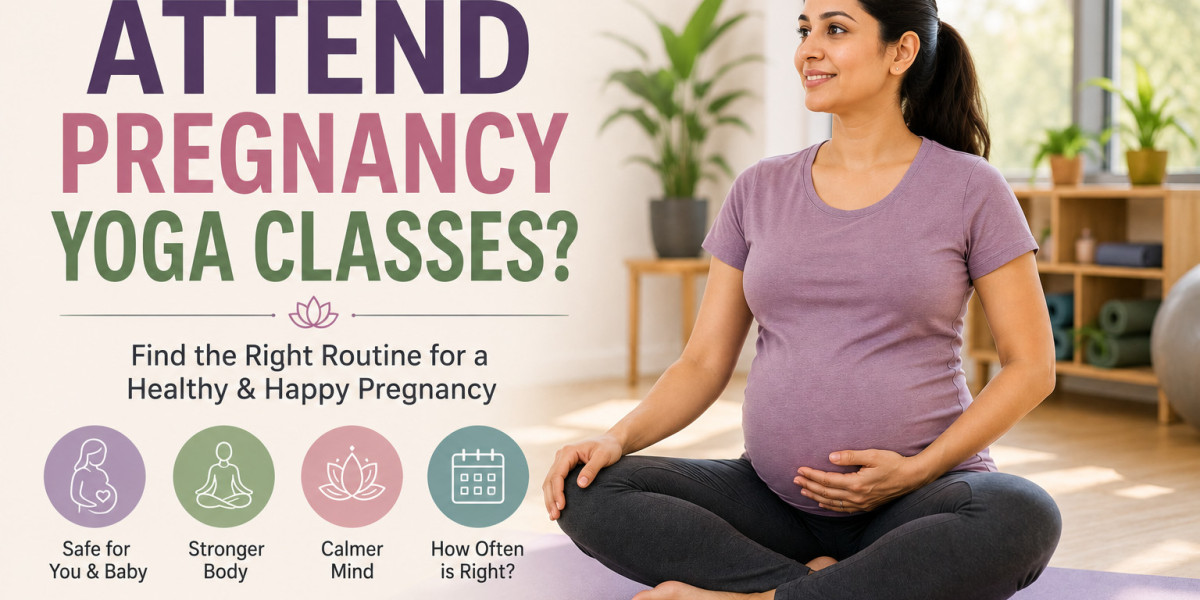

Pregnancy is a time when your body continuously changes to support your growing baby. Staying physically active can help you maintain strength, mobility, balance, and overall wellbeing, but many expectant mothers wonder how often they should actually practise prenatal yoga. Should you attend every day, a few times a week, or only when you feel uncomfortable?
The answer depends on your health, experience, stage of pregnancy, and how your body responds to exercise. For most women with an uncomplicated pregnancy, regular gentle activity is encouraged, and prenatal yoga can be one enjoyable way to stay active. NHS guidance recommends building toward around 150 minutes of moderate physical activity each week, while also listening to your body and adjusting activity as pregnancy progresses.
Why Regular Pregnancy Yoga Can Be Helpful
Prenatal yoga is more than simply stretching. A well-designed practice can combine gentle movement, breathing, relaxation, mobility, and exercises that help you remain physically comfortable as your body changes.
Regular practice may help you maintain flexibility and muscle strength while supporting relaxation. It can also complement other forms of pregnancy-friendly physical activity such as walking or swimming.
The key is consistency rather than intensity. You do not need to practise for long periods or push yourself into difficult poses to gain value from pregnancy yoga.
How Many Times a Week Should You Attend?
For many women, attending pregnancy yoga classes two to three times a week can be a practical routine, provided the sessions are appropriate for their pregnancy and healthcare professional has not advised otherwise.
This does not mean you have to attend a formal class every time you exercise. Your weekly activity can include prenatal yoga alongside walking, gentle mobility exercises, swimming, or other suitable activities.
For example, you might attend a class on Monday and Thursday and add gentle walking on other days. Another woman may feel comfortable with three shorter yoga sessions each week. The best routine is one that fits your energy levels and remains comfortable.
If you are new to exercise, starting with shorter and less frequent sessions and gradually increasing activity can be more appropriate than immediately following an intensive routine. NHS guidance specifically recommends building activity gradually if you were not exercising regularly before pregnancy.
Is Daily Pregnancy Yoga Safe?
Gentle daily movement can be beneficial, but that does not mean you need to attend a full yoga class every day.
Some days your body may feel energetic, while other days you may experience tiredness, nausea, back discomfort, or general heaviness. Your routine should allow for those changes.
On days when you feel well, you might enjoy a longer prenatal yoga session. On more tiring days, a short breathing or stretching routine may be enough. Rest is also an important part of pregnancy.
The goal is to remain active without exhausting yourself. NHS guidance advises pregnant women to slow down as needed and use the ability to hold a conversation as a general indicator that exercise is not becoming too strenuous.
How Your Routine May Change by Trimester
Your pregnancy yoga routine does not have to remain exactly the same for nine months. As your body changes, your practice should change with it.
First Trimester
During the first trimester, fatigue and morning sickness can make exercise feel unpredictable. If you already practise yoga, you may be able to continue with suitable modifications, but this is not the time to force yourself through a difficult session.
If you are beginning a new exercise routine, start gently and give yourself time to build consistency.
Breathing exercises, comfortable stretching, relaxation, and gentle mobility can be useful components of your practice.
Second Trimester
As your pregnancy progresses, your centre of gravity begins to change and your growing belly can affect balance and posture. This is when pregnancy-specific modifications become particularly important.
Your instructor may adapt poses to give you more space, stability, and comfort. Gentle strengthening, hip mobility, posture awareness, breathing, and relaxation can remain important parts of your routine.
This is also a good time to establish a sustainable weekly schedule rather than focusing on exercising as hard as possible.
Third Trimester
During the third trimester, comfort becomes even more important. You may need shorter sessions, more breaks, additional support from props, and modifications for certain positions.
The purpose of your practice may gradually shift toward gentle mobility, relaxation, breathing, posture, and preparing your body and mind for birth.
Pregnancy yoga should never feel like a competition. If a movement feels uncomfortable, it should be modified or skipped.
What Should a Pregnancy Yoga Class Include?
When choosing Pregnancy Yoga Classes, look for sessions specifically designed for expectant mothers rather than general yoga classes that simply allow pregnant participants.
A suitable class should consider the stage of pregnancy and provide modifications when needed. Gentle stretching, breathing exercises, relaxation, balance work, mobility, and appropriate strengthening can all have a place in prenatal yoga.
The instructor should also understand pregnancy-related changes and know when a movement needs to be adjusted.
NHS guidance recommends making sure an exercise-class teacher is properly qualified and knows that you are pregnant, including how many weeks pregnant you are.
Can You Combine Yoga With Other Exercise?
Absolutely. Yoga does not need to be your only form of physical activity during pregnancy.
Walking can be an easy way to stay active between classes. Swimming can provide gentle full-body movement while the water supports your changing body. You can also incorporate appropriate pelvic floor and strengthening exercises into your routine.
Current pregnancy exercise guidance supports combining different forms of moderate activity throughout the week rather than relying on one type of exercise alone.
This approach can make your routine more enjoyable and help you stay active without putting excessive demands on one particular group of muscles.
Listen to Your Body
One of the most important principles of prenatal exercise is learning to listen to your body.
Pregnancy is not the right time to chase personal fitness records or compare your routine with another person's. Your energy, mobility, balance, and comfort can change from week to week.
Stay hydrated, warm up before exercising, cool down afterwards, and avoid becoming overheated. If you feel pain, dizziness, unusual breathlessness, or generally unwell, stop exercising and seek appropriate medical advice.
Certain positions and activities may also need to be avoided or modified as pregnancy progresses. For example, NHS guidance advises avoiding prolonged exercise while lying flat on your back, particularly after 16 weeks.
If you have a pregnancy complication or any medical concern, speak with your doctor, midwife, or maternity team before starting or changing your exercise routine.
Make Pregnancy Yoga a Consistent Part of Your Routine
There is no single number of classes that is perfect for every pregnant woman. For many women, two or three pregnancy yoga sessions per week can provide a manageable balance between regular movement and adequate recovery, while additional gentle activity can help contribute to overall weekly exercise.
What matters most is choosing a routine that feels comfortable, sustainable, and appropriate for your pregnancy.
At Birth and Beyond, pregnancy-focused programmes can help mothers-to-be practise gentle yoga, mindful breathing, stretching, relaxation, and pregnancy-appropriate movement in a supportive environment. If you are exploring Pregnancy Yoga Classes, choosing a programme designed specifically around pregnancy can help you stay active while respecting your body's changing needs.
Explore Birth and Beyond's Pregnancy & Parenting programme to learn more about pregnancy-focused support and classes.