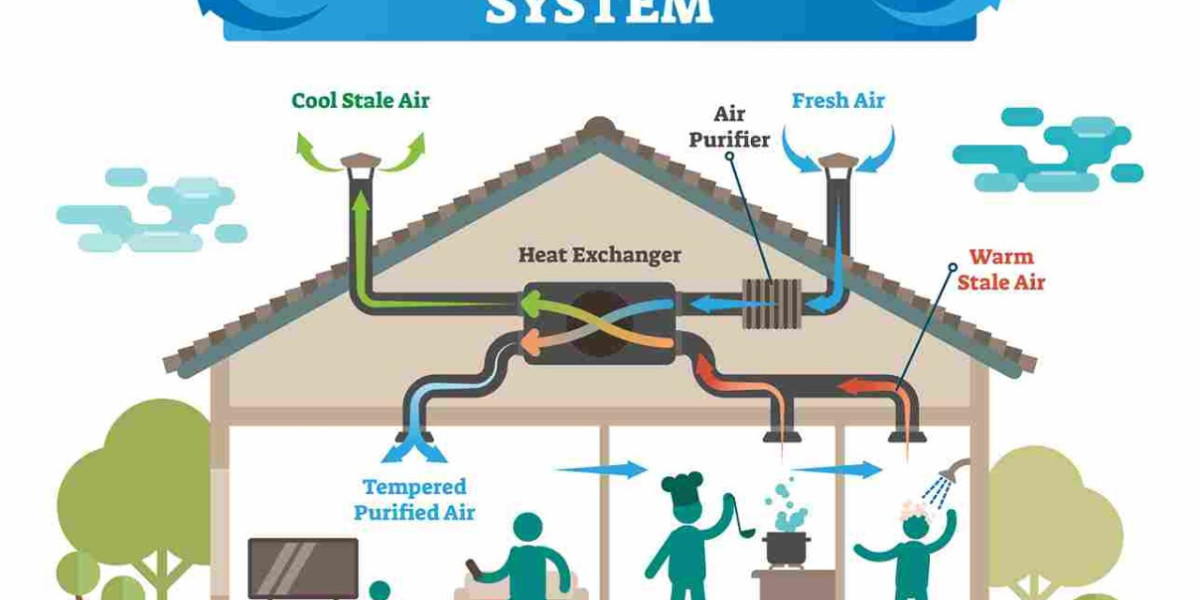

A home ventilation system plays a vital role in creating a comfortable and healthy indoor environment by ensuring the continuous exchange of air within a property. With modern construction focusing on improved insulation, proper ventilation becomes increasingly important to counteract the accumulation of indoor pollutants and excess moisture. Such systems not only support air quality but also contribute to temperature regulation, enhancing overall living conditions. By incorporating energy-efficient technology, these systems can also minimise the environmental impact of a property. Understanding their operation and benefits is essential for making informed decisions about maintaining healthier and more sustainable homes.
Understanding the Importance of Home Ventilation
Proper ventilation within a home ensures a continuous exchange of indoor and outdoor air, which is vital for maintaining a balanced and healthy indoor atmosphere. By facilitating air movement, ventilation systems help in the removal of airborne impurities such as volatile organic compounds, odours, and fine particles, contributing to cleaner air. Effective ventilation aids in controlling excess moisture levels indoors, reducing the risk of condensation and damp-related issues such as mould growth and structural damage.
The role of ventilation in temperature regulation should also not be overlooked, as it supports a comfortable living environment by preventing indoor spaces from becoming overly stuffy or humid. Homes that lack adequate ventilation may experience a build-up of allergens and pollutants, potentially impacting the health and comfort of the occupants. Whether through natural airflow or mechanical systems, maintaining proper ventilation ensures the circulation of fresh air, which is particularly beneficial in modern properties where construction often prioritises airtight insulation.
Components of a Home Ventilation-System
A home ventilation-system is composed of several interconnected components that work together to facilitate the efficient circulation of air within a property. Central to its operation are fans, which drive the movement of air through the system. Ductwork serves as the channels for distributing air to various areas of the home, ensuring uniform coverage.
Vents are strategically positioned to allow for the intake and exhaust of air, promoting a steady exchange between indoor and outdoor environments. Filters are an essential element, capturing particles such as dust, allergens, and pollutants to enhance indoor air quality. Additional components may include dampers, which regulate airflow, and heat recovery units, which improve energy efficiency by recapturing heat from outgoing air.
Each element is designed with a specific purpose, contributing to the overall functionality and performance of the system. Proper alignment and integration of these components ensure the system operates effectively, delivering fresh air while maintaining comfort and air quality within the home. Careful design and installation are critical to achieving optimal airflow and energy efficiency in any property.
Types of Home Ventilation-Systems
Home ventilation-systems are available in various types, each catering to specific needs and preferences. Natural ventilation relies on passive airflow through openings such as windows, vents, and trickle ventilators, harnessing external factors like wind and temperature differences. In contrast, mechanical ventilation employs fans and ductwork to actively control airflow, ensuring consistent and reliable air exchange regardless of external conditions. Subcategories of mechanical systems include exhaust-only, supply-only, and balanced ventilation systems, with the latter offering enhanced efficiency through features like heat recovery.
Hybrid systems combine elements of both natural and mechanical methods, optimising performance based on changing environmental conditions. The selection of a ventilation system depends on factors such as the building’s design, insulation levels, climate, and desired air quality. Balanced and mechanical systems are particularly suitable for modern, airtight properties, where passive airflow may be insufficient. Each type of system serves a specific purpose, offering unique advantages to ensure a comfortable and healthy indoor environment.
Energy Efficiency in Home Ventilation
Energy efficiency is an important aspect of any home ventilation-system, as it ensures effective air circulation while minimising energy usage. Modern systems are often designed with advanced features such as heat recovery units, which capture warmth from outgoing air and transfer it to incoming air. This process reduces the reliance on heating systems during colder months. Additionally, some systems utilise energy-efficient motors and variable speed controls, allowing for precise airflow regulation without excessive power consumption.
Proper installation and insulation of the system also play a crucial role in reducing energy losses. These features not only help lower energy bills but also contribute to environmental sustainability by reducing overall carbon emissions. By maintaining a balance between functionality and energy consumption, ventilation systems can enhance indoor air quality while supporting energy-efficient living. Advanced designs ensure that properties remain comfortable and healthy without unnecessary strain on resources, making them a valuable addition to modern homes.
Maintenance of a Home Ventilation System
Routine upkeep of a home ventilation system is crucial for ensuring its efficiency and durability. Key maintenance tasks include cleaning fans, ducts, and vents to prevent the build-up of dust and debris, which can obstruct airflow and reduce system performance. Filters require regular inspection and timely replacement to maintain optimal air quality and minimise the circulation of allergens and pollutants. It is equally important to check for leaks or damage in the ductwork, as these issues can compromise airflow and energy efficiency.
Ensuring that mechanical components, such as motors and dampers, function properly can help prevent costly repairs or replacements. Periodic servicing by qualified professionals may also be necessary to address any complex issues and ensure the system complies with safety standards. By prioritising regular maintenance, the system can consistently deliver fresh air, enhance indoor comfort, and support the overall health of the occupants while prolonging its operational lifespan.
Cost Considerations for Home Ventilation-Systems
The financial aspects of installing a home ventilation-system are influenced by several factors, including the type of system selected, the size and layout of the property, and the complexity of installation. Advanced systems with features such as heat recovery units or smart technology may incur higher upfront costs but often provide long-term savings by improving energy efficiency.
Installation fees can vary based on the property’s existing infrastructure, as retrofitting a system into an older building may be more labour-intensive compared to integrating one into new construction. Additionally, the choice of materials and components can impact the overall expense, with high-quality options often offering greater durability and performance. While initial costs may appear significant, they are frequently outweighed by benefits such as improved air quality, reduced energy usage, and a potential increase in property value.
Impact of Home Ventilation on Health
Proper ventilation in a home is essential for maintaining a healthier indoor environment, as it plays a significant role in controlling airborne contaminants and humidity levels. By removing indoor pollutants such as dust, pet dander, and volatile organic compounds, a ventilation system can help reduce the likelihood of respiratory problems and allergic reactions. Additionally, the consistent circulation of fresh air aids in minimising excess moisture, which can otherwise lead to conditions favourable for mould and mildew growth.
Exposure to such damp conditions has been linked to respiratory discomfort and other health concerns. Effective ventilation also helps manage the accumulation of carbon dioxide indoors, ensuring an adequate supply of oxygen for improved overall well-being. Furthermore, by regulating indoor humidity, it can contribute to reducing discomfort caused by dry or overly humid air, which may exacerbate skin irritations or respiratory symptoms.
Home Ventilation and Seasonal Changes
Seasonal variations can significantly influence the operation and performance of a home ventilation-system, requiring careful adjustment to maintain optimal indoor conditions. During colder months, the system can help mitigate issues related to condensation and dampness by ensuring proper air circulation, which is crucial in preventing mould and mildew growth. Heat recovery ventilators are particularly useful in winter, as they retain warmth from outgoing air, reducing the need for additional heating.
In warmer weather, ventilation systems play a key role in maintaining cooler indoor temperatures by increasing air exchange and dissipating heat buildup. Certain systems can also regulate humidity levels, ensuring the indoor environment remains comfortable regardless of external conditions. Additionally, seasonal maintenance is vital, such as clearing vents of debris in autumn to prevent blockages or adjusting settings to account for higher pollen levels in spring.
Innovations in Home Ventilation-Systems
Advancements in home ventilation-systems have introduced cutting-edge technologies designed to optimise indoor air quality and system efficiency. Smart ventilation controls now allow for seamless integration with automated home systems, enabling real-time monitoring and precise adjustments to airflow settings. Enhanced filtration systems are increasingly capable of capturing ultrafine particles, including allergens and pollutants, significantly improving indoor environmental conditions. Additionally, innovations such as energy-efficient fans and advanced heat recovery technologies reduce energy consumption while maintaining optimal performance.
Some systems incorporate sensors to monitor humidity, air quality, and temperature, ensuring consistent adjustments to meet specific indoor requirements. New designs also emphasise quieter operation, making modern ventilation solutions both efficient and discreet. Modular and scalable systems offer flexibility, accommodating a wide range of property sizes and layouts. These advancements reflect the growing focus on sustainability, health, and convenience, aligning with the evolving priorities of contemporary living spaces. Innovative technologies continue to redefine the role of ventilation systems in modern homes.
Common Myths about Home Ventilation-Systems
There are various misconceptions surrounding home ventilation-systems that can create misunderstandings about their purpose and functionality. One prevalent myth is that these systems are unnecessary in homes with modern insulation, despite the fact that improved airtightness increases the need for controlled ventilation to prevent indoor air quality issues. Another misunderstanding is that ventilation systems are overly complex and difficult to install, yet many are designed to integrate seamlessly into a wide range of properties.
Some believe that these systems are prohibitively expensive to operate, overlooking advancements in energy efficiency that significantly reduce running costs. It is also often assumed that mechanical ventilation creates constant draughts, though properly installed systems are specifically designed to maintain a balanced and comfortable indoor environment. Some individuals think ventilation systems are ineffective at controlling moisture levels, despite their proven ability to reduce humidity and prevent dampness.
Conclusion
Investing in a home ventilation system supports the creation of a healthier and more comfortable indoor environment by promoting effective air circulation and improving air quality. Modern systems incorporate features such as advanced energy-efficient technologies and heat recovery mechanisms, which contribute to sustainable living while reducing energy consumption. Routine maintenance, including filter replacement and cleaning, ensures consistent performance and longevity. Innovations in ventilation design, such as smart controls and enhanced filtration, provide convenience and adaptability, accommodating diverse property needs. Properly designed systems address concerns related to moisture control, temperature regulation, and indoor pollutant removal.
FAQs
What functions does a home ventilation system serve?
A home ventilation system ensures the steady exchange of air, promoting healthier indoor conditions by removing pollutants, regulating humidity, and improving airflow throughout the property.
How frequently should ventilation system components be inspected?
Components such as filters and vents should be inspected regularly, typically every three to six months, to ensure effective operation and prevent blockages or inefficiencies.
Do ventilation-systems support energy conservation?
Yes, advanced systems often include features like heat recovery mechanisms and energy-efficient motors, which help conserve energy while maintaining optimal air circulation.
Are home ventilation-systems suitable for all property types?
Home ventilation-systems are adaptable and can be customised for various property layouts, including both modern airtight buildings and older homes with unique structural requirements.
What is the significance of filters in ventilation-systems?
Filters are essential for trapping airborne particles such as dust, allergens, and pollutants, ensuring cleaner air circulates within the indoor environment.
Can modern ventilation-systems be automated?
Many contemporary systems incorporate smart technology, allowing for automated adjustments and seamless integration with broader home automation systems for enhanced efficiency and convenience.
Related Business Listings |