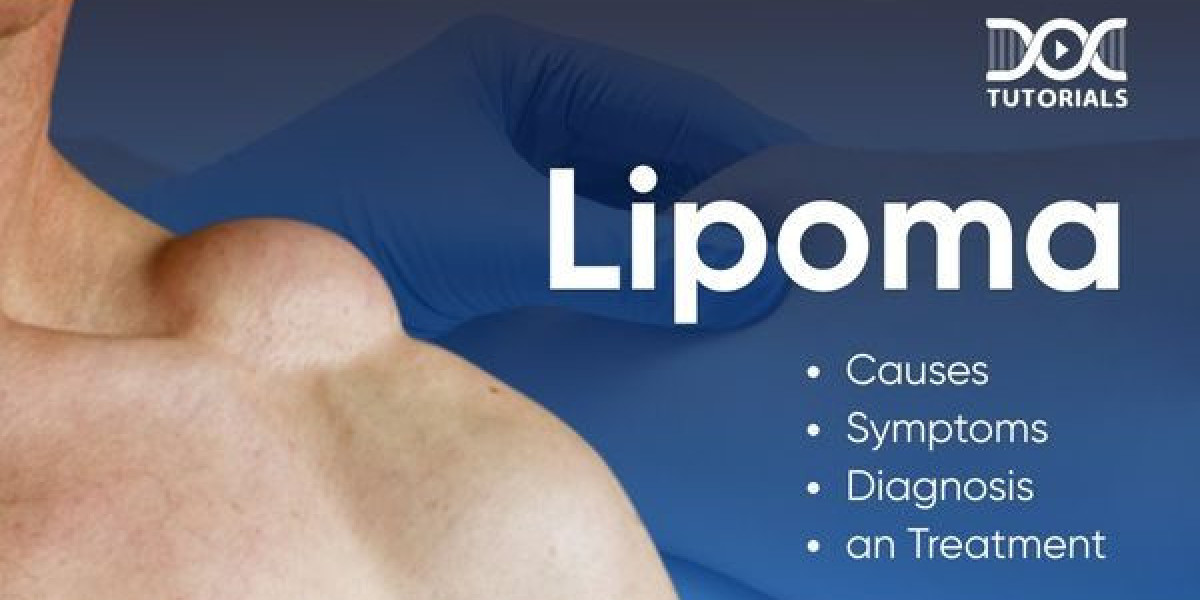

Lipoma Treatment in Jeddah: When Should You Consider Removal?
Lipomas are among the most common types of benign soft tissue growths. They are made up of fatty tissue and usually develop beneath the skin. In many cases, a lipoma grows slowly and does not cause serious health problems. However, some people seek Lipoma Treatment in Jeddah because the growth becomes noticeable, uncomfortable, painful, or cosmetically concerning.
Although lipomas are generally harmless, every lump should be assessed appropriately. A proper evaluation can help determine whether the growth has the typical characteristics of a lipoma and whether observation or removal may be the most suitable option.
Understanding Lipomas
A lipoma is a collection of fat cells that forms a lump beneath the skin. It is usually soft to the touch and may move slightly when pressure is applied. Lipomas can vary in size, with some remaining small for years while others gradually increase in size.
They can develop in different areas of the body. Common locations include the:
Neck
Shoulders
Back
Arms
Chest
Abdomen
Thighs
Some individuals have a single lipoma, while others may develop multiple lipomas. The presence of multiple growths does not automatically indicate a serious condition, but appropriate medical evaluation is still important.
When Is Lipoma Treatment Necessary?
Not every lipoma requires treatment. If the growth is small, painless, stable, and not causing cosmetic or functional concerns, observation may be an appropriate approach.
However, treatment may be considered when the lipoma causes problems or raises concerns. A person may seek removal if the lipoma is:
Increasing in size.
Causing pain or tenderness.
Located in an area where it creates pressure.
Affecting movement.
Becoming visible or cosmetically concerning.
Causing discomfort when wearing clothing.
Located near muscles, nerves, or other structures.
Difficult to identify with certainty.
A new or changing lump should always be assessed rather than assuming it is harmless.
Why Medical Evaluation Is Important
Before considering Lipoma Treatment in Jeddah, a professional evaluation is necessary to understand the characteristics of the lump. The assessment may include questions about when the growth first appeared, whether it has changed, and whether it causes any symptoms.
A physical examination can help determine whether the lump is soft, movable, firm, superficial, or deep. These characteristics may help guide the next steps.
In some cases, further evaluation may be recommended. Imaging can provide additional information about the size, depth, and location of a growth. This may be particularly useful for larger lumps, deep masses, or growths with unusual characteristics.
The purpose of proper assessment is to ensure that the treatment plan is based on the individual's specific condition.
Monitoring a Lipoma
For individuals with small and symptom-free lipomas, monitoring may be recommended instead of immediate removal.
During observation, it is helpful to be aware of any changes in the lump. Changes that may require reassessment include:
Rapid growth.
New pain.
Changes in texture.
Increased firmness.
Changes in mobility.
Development of additional symptoms.
Monitoring does not mean ignoring the growth. It means observing it appropriately and seeking reassessment if anything changes.
Surgical Lipoma Removal
Surgical removal is one of the most established approaches for treating a lipoma. The procedure generally involves making an incision and carefully removing the fatty tissue.
The type of procedure may depend on several factors, including the size and location of the lipoma. A small superficial lipoma may be removed through a relatively limited incision, while a larger or deeper growth may require a more extensive approach.
The objective is generally to remove the lipoma safely while considering the surrounding tissues and structures.
Once the lipoma has been removed, the incision is closed. Depending on the circumstances, the removed tissue may be examined further.
Factors That Can Affect the Procedure
No two lipomas are exactly the same. Several factors can influence the treatment approach and recovery process.
These may include:
Size
Smaller lipomas may be easier to access and remove than larger ones. A larger growth may require a different surgical approach and potentially a longer recovery period.
Location
The location of the lipoma is an important consideration. A growth close to nerves, muscles, or other sensitive structures may require additional planning.
Depth
Some lipomas are located just beneath the skin, while others may be deeper within the soft tissues. Deep lipomas may require more detailed assessment before treatment.
Symptoms
Pain, pressure, and movement limitations can influence the decision to proceed with treatment.
Cosmetic Concerns
Even when a lipoma does not cause physical discomfort, its appearance may affect a person's confidence. In such cases, removal may be considered after appropriate evaluation.
What to Expect Before Treatment
Before undergoing Lipoma Treatment in Jeddah, the individual may undergo an assessment to determine the most suitable approach.
The consultation may include discussion about:
Medical history.
Previous surgeries or treatments.
Current medications.
Allergies.
Changes in the size or appearance of the lump.
Symptoms such as pain or pressure.
Individuals should provide accurate information during the consultation so that the treatment plan can be developed appropriately.
What Happens During Lipoma Removal?
The exact procedure can vary depending on the characteristics of the lipoma. Generally, the treatment area is prepared, and an appropriate method of anesthesia is selected based on the nature of the procedure.
An incision is made to access the lipoma, and the fatty growth is carefully separated from surrounding tissues. The objective is to remove the lipoma while preserving nearby structures.
After removal, the area is closed, and the individual receives instructions regarding wound care and recovery.
The duration of the procedure can vary depending on the size, number, and location of the lipomas being treated.
Recovery After Treatment
Recovery varies from person to person. Mild swelling, bruising, and tenderness may occur after the procedure.
The treated area should be cared for according to the instructions provided. Depending on the location of the lipoma, certain activities may need to be temporarily limited.
Individuals may be advised to monitor the area for signs of unusual changes and attend follow-up appointments when required.
Smaller and superficial lipomas may involve a relatively straightforward recovery, while larger or deeper growths may require additional healing time.
Will There Be a Scar?
Any procedure involving an incision can result in some degree of scarring. The appearance of the scar can depend on several factors, including the size of the incision, the location of the lipoma, individual healing characteristics, and post-procedure care.
Treatment planning may take cosmetic considerations into account, particularly when the lipoma is located in a visible area.
Over time, scars may change in appearance as the healing process continues. However, every individual heals differently, and the final appearance cannot be predicted with complete certainty.
Can Multiple Lipomas Be Treated?
Some people develop more than one lipoma. Depending on the number, size, and location of the growths, different treatment strategies may be considered.
In some situations, multiple lipomas may be addressed during the same treatment period. In other cases, treatment may be planned separately.
The decision depends on individual factors and should be based on appropriate evaluation.
The Importance of Individualized Treatment
The best approach to lipoma management depends on the individual. A small, painless, stable lipoma may not require removal, while a larger or symptomatic growth may be better addressed through treatment.
An individualized assessment considers the characteristics of the growth as well as the person's symptoms, concerns, and treatment goals.
Rather than choosing a treatment based only on appearance, it is important to understand the nature of the lump and the potential benefits and considerations associated with each option.
Conclusion
Lipoma Treatment in Jeddah may be considered for individuals who have a lipoma that is growing, painful, uncomfortable, cosmetically concerning, or difficult to evaluate with certainty. In other situations, observation may be sufficient.
The first step is proper assessment of the lump. Once the characteristics of the growth have been evaluated, an appropriate management plan can be considered.
Whether the decision involves monitoring or removal, understanding the available options can help individuals approach lipoma treatment with greater confidence and realistic expectations.