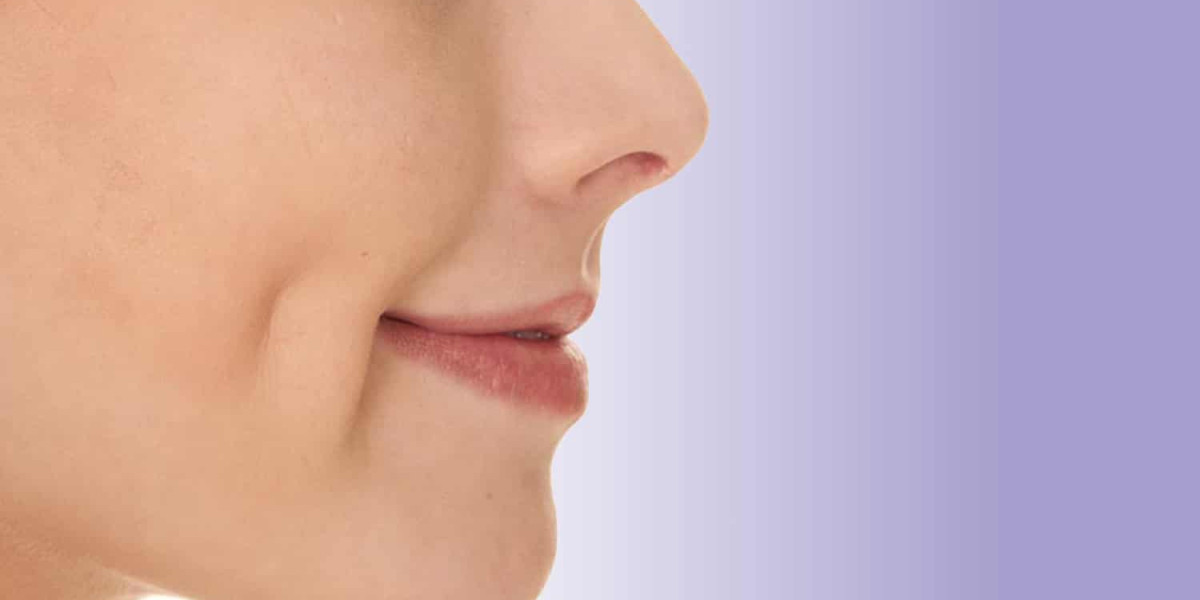

Dimple Creation in Jeddah: A Subtle Cosmetic Enhancement for the Smile
A smile can communicate warmth, confidence, and personality without saying a word. For some individuals, naturally occurring dimples add an extra feature to that expression. People who do not naturally have dimples may still want to achieve a similar appearance through a cosmetic procedure. Dimple creation in Jeddah is designed for individuals who want to introduce a small cheek indentation that can enhance the appearance of their smile.
Dimple creation, also known as dimpleplasty, is a focused cosmetic procedure that changes a small area of the cheek. Rather than reshaping the entire face, the treatment aims to create a controlled indentation that works with existing facial proportions. Understanding how the procedure works, what recovery involves, and what factors influence the result can help prospective patients make informed decisions.
What Makes Dimples Attractive?
Dimples have long been associated with distinctive smiles. Because they appear as small indentations in the cheeks, they can give the face an individual characteristic that is noticeable particularly during smiling.
Natural dimples vary significantly. Some are small and shallow, while others are deeper and more prominent. Some appear only during a broad smile, whereas others remain partially visible when the face is relaxed.
Dimple creation attempts to reproduce this type of facial feature. The goal is generally not to create an identical appearance for every patient but to develop an indentation that suits the person's unique facial structure.
What Is Dimpleplasty?
Dimpleplasty is a cosmetic technique used to create cheek dimples. It generally involves creating a small internal connection between tissues within the cheek and the skin above them.
When the person smiles, movement of the cheek tissues can pull the skin inward, producing the desired indentation.
The treatment is usually performed from inside the mouth, which means the external skin of the cheek does not normally require a large incision. This can be an attractive aspect for individuals who are concerned about visible facial scarring.
The exact technique and results can differ between individuals. Facial anatomy, cheek thickness, muscle movement, and healing response all play a role.
Planning the Desired Appearance
One of the most important stages of dimple creation is planning. A dimple should ideally complement the surrounding facial features rather than look disconnected from them.
The position can be assessed while the person is smiling because the cheek changes shape during facial expression. The desired location may be marked before treatment to help establish an appropriate placement.
Patients may also discuss the desired depth and visibility. Some prefer a barely noticeable indentation that appears mainly when smiling. Others may want a more defined dimple.
Another decision is whether to create one or two dimples. Bilateral dimples can create a balanced appearance, while a single dimple may provide a more distinctive asymmetrical look.
How the Treatment Is Performed
Dimple creation is commonly performed using local anesthesia. The procedure is typically approached through the inside of the mouth.
After the treatment area has been prepared, a small internal opening is created. The underlying cheek tissues are then carefully manipulated to establish the structural connection needed for the dimple.
The purpose is to create an indentation without making a large external incision. Once the internal tissues heal, movement associated with smiling can produce the desired cheek depression.
Because the procedure involves a delicate area of the face, precise placement is important. The goal is to achieve a result that looks appropriate when the patient smiles and does not appear excessively artificial.
What to Expect During Recovery
Recovery from dimple creation is generally focused on allowing the treated tissues to heal. Temporary swelling and tenderness may occur during the first part of recovery.
Because the procedure is performed inside the mouth, eating may feel slightly uncomfortable initially. Certain foods may be restricted temporarily depending on the aftercare instructions provided.
Maintaining oral hygiene is important. Patients should follow all instructions regarding cleaning the mouth and caring for the treated area.
The appearance of the dimple can also change during recovery. It may initially appear deeper or more prominent because of swelling and tissue healing. Over time, the indentation may become softer and more natural-looking.
When Will the Final Result Be Visible?
It can take time for the tissues to settle completely. Immediately after treatment, the dimple may not represent the final result.
As swelling decreases and healing progresses, the cheek can gradually develop a more stable appearance. Some patients may notice the dimple even when their face is relaxed during the early stage. This can change as the tissues mature.
The final result depends on individual healing. For this reason, patients should avoid making conclusions about the outcome too soon after the procedure.
Factors That Influence the Result
Several factors can influence the appearance of a created dimple.
Facial anatomy is one of the most important. The thickness of the cheek and movement of facial muscles differ between individuals.
Dimple position also matters. Placement that complements the person's facial proportions is more likely to produce a balanced appearance.
Depth and technique can influence how noticeable the indentation becomes.
Healing response is another important factor. Everyone's tissues heal differently, so the final appearance cannot always be predicted precisely.
Finally, patient expectations influence satisfaction. A realistic understanding of what the procedure can achieve is essential.
Benefits of Dimple Creation
Dimple creation can provide several aesthetic benefits for suitable candidates. The procedure focuses on a relatively small area and can create a noticeable feature without changing the overall shape of the face.
Potential benefits include:
Adding individuality to the smile
Creating a customized cheek indentation
Enhancing facial expression
Treating one or both cheeks
Avoiding a prominent external facial incision
Providing a relatively focused cosmetic enhancement
The goal should be harmony rather than exaggeration. A well-planned dimple should complement existing facial characteristics.
Potential Complications
As with any procedure, dimple creation has potential risks. These may include infection, bleeding, swelling, discomfort, asymmetry, changes in sensation, or an undesirable cosmetic result.
In some cases, a dimple may remain visible even when the person is not smiling. In other situations, it may become less noticeable over time.
There can also be differences between the two sides of the face. Perfect symmetry is not guaranteed because natural facial features are rarely completely identical.
Anyone considering treatment should discuss these possibilities during consultation.
Who Should Consider Dimple Creation?
Dimple creation may be appropriate for adults who want a cosmetic facial enhancement and understand that results can vary.
A suitable candidate should have realistic expectations and understand that the procedure creates an artificial facial feature rather than reproducing the exact anatomy of a natural dimple.
Individuals with concerns about their health, medications, allergies, previous facial treatments, or oral conditions should disclose relevant information during consultation.
Professional assessment is important before deciding to undergo treatment.
Questions to Ask Before Treatment
A consultation is an opportunity to understand the procedure more thoroughly. Patients may want to ask about the technique, expected appearance, recovery, possible complications, and long-term results.
It can also be helpful to discuss whether the dimple should be visible only while smiling or remain slightly noticeable when the face is relaxed.
Questions about aftercare, eating, oral hygiene, physical activity, and follow-up can also help patients prepare for recovery.
Why Realistic Expectations Matter
Cosmetic procedures should be approached with realistic expectations. Photographs of natural dimples can provide inspiration, but an individual's anatomy may not allow an identical result.
The final appearance may also change during healing. A dimple that initially appears very prominent can soften, while a subtle indentation may become more defined as the tissues settle.
Understanding these possibilities can help reduce disappointment and encourage a more informed approach to treatment.
Final Thoughts
Dimple creation in Jeddah can be an option for individuals who want to add a distinctive and charming feature to their smile. The procedure focuses on creating a controlled cheek indentation that can become more visible during facial expressions.
Although dimpleplasty is generally considered a focused cosmetic procedure, careful planning remains essential. Placement, depth, facial proportions, healing, and individual expectations can all influence the final appearance.
Anyone considering the procedure should learn about its benefits and limitations and discuss personal goals with a qualified healthcare professional. With appropriate planning and realistic expectations, dimple creation can provide a subtle facial enhancement while allowing the individual's natural appearance to remain the primary focus.












