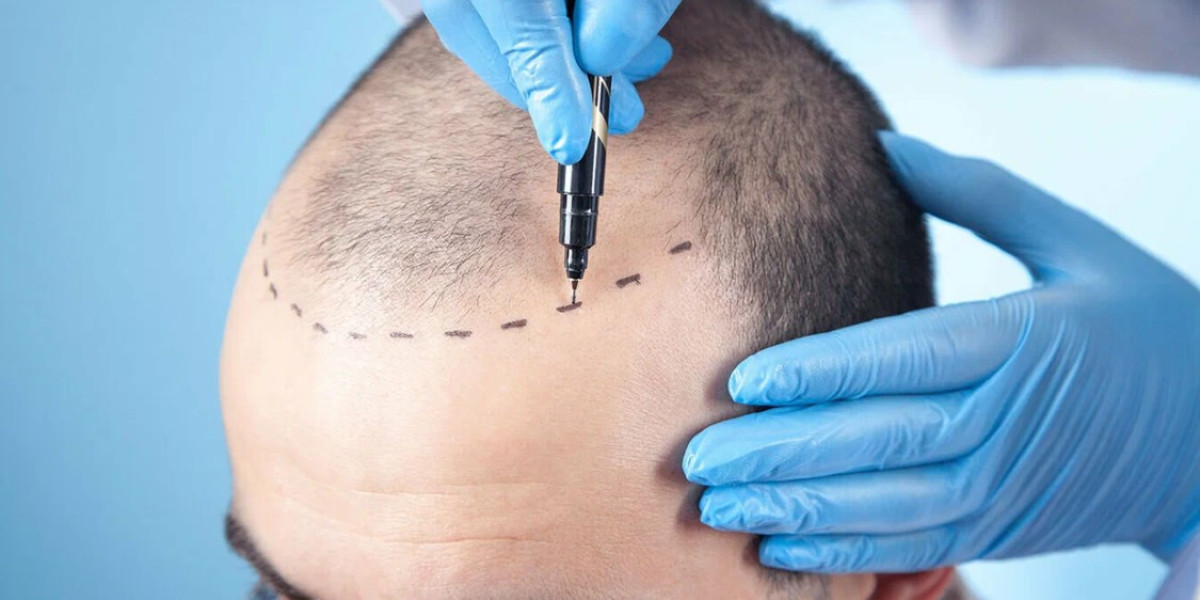

Preparing for a hair restoration procedure is a critical process that requires just as much discipline as the post-operative recovery phase. When individuals plan to undergo a hair transplant in Dammam, avoiding common pre-operative mistakes ensures that the surgical environment remains optimal, bleeding risks are minimized, and graft survival rates are maximized. Unfortunately, many patients inadvertently compromise their results or complicate their procedure by making avoidable errors in the days leading up to surgery. Hair transplant in dammam offers a potential solution for people looking to restore thinning hair, receding hairlines, and areas affected by hair loss.
Recognizing these common pitfalls and knowing how to steer clear of them guarantees a smooth surgical experience and sets the stage for a successful transformation.
1. Failing to Disclose Medications and Supplements
One of the most dangerous pre-operative mistakes is neglecting to inform the surgical team about all current medications, vitamins, and herbal supplements you are taking.
Many common over-the-counter substances—such as aspirin, ibuprofen, naproxen, and multivitamins containing vitamin E—act as natural blood thinners. Consuming these substances in the days leading up to surgery prevents normal blood coagulation. This leads to excessive bleeding during graft extraction and channel creation, which obscures the surgeon's visibility, increases bruising, and can lower graft survival rates.
How to avoid it: Provide a comprehensive list of all prescriptions, over-the-counter drugs, and herbal supplements to your medical team during your initial consultation. Strictly adhere to instructions on which substances to pause ten to fourteen days prior to surgery.
2. Continuing to Smoke and Consume Alcohol
Nicotine and alcohol are profoundly detrimental to the body's ability to heal and accept new tissue grafts.
The Dangers of Nicotine: Nicotine causes blood vessels to constrict, severely restricting micro-circulation and blood flow throughout the scalp. Newly transplanted follicles rely entirely on these tiny blood vessels for oxygen and vital nutrients during the critical initial integration phase. Smoking cuts off that essential lifeline.
The Impact of Alcohol: Alcohol dehydrates the body and acts as a systemic blood thinner, elevating blood pressure and increasing bleeding risks during the procedure.
How to avoid it: Commit to stopping smoking entirely—or at least strictly abstaining—for a minimum of two weeks before and two weeks after your surgery. Refrain from consuming alcoholic beverages for at least 48 to 72 hours leading up to the procedure.
3. Cutting or Shaving Your Hair Prematurely
Many patients make the mistake of attempting to trim, shave, or style their hair into a short buzz cut right before arriving at the clinic, believing they are helping the medical team.
In reality, hair length and growth patterns provide vital diagnostic clues. During the initial mapping and consultation phase, the surgeon needs to examine your natural hair grain, wave pattern, texture, and the exact borders of your thinning zones to design a realistic, harmonious hairline. Shaving your head independently can remove this essential roadmap.
How to avoid it: Leave your hair untouched and let the specialized clinical team handle any necessary trimming or shaving on the morning of the procedure using professional equipment.
4. Applying Harsh Chemical Products to the Scalp
In an effort to look polished or clean for their appointment, some individuals use aggressive chemical treatments, hair dyes, bleaches, or heavy styling gels in the days leading up to surgery.
Harsh chemicals can irritate the scalp skin barrier, cause contact dermatitis, or interfere with the specialized antiseptic solutions applied immediately before the procedure. An irritated or inflamed scalp creates a less-than-ideal environment for micro-incisions.
How to avoid it: Refrain from using aggressive chemical treatments, hair dyes, or heavy styling waxes during the final week before your procedure. Wash your scalp gently with a mild, recommended shampoo as instructed by your clinic.
5. Consuming Caffeine on the Morning of Surgery
A morning cup of coffee or an energy drink is a daily routine for many, but consuming caffeine on the morning of your hair transplant is a major mistake.
Caffeine is a stimulant that increases nervousness, elevates heart rate, and raises blood pressure. High caffeine intake can make you jittery, cause local anesthetics to wear off faster than normal, or interact negatively with mild relaxation medications administered by the clinical team.
How to avoid it: Skip all morning coffee, energy drinks, and caffeinated teas on the day of your surgery. Opt for water, herbal caffeine-free tea, or a light breakfast as permitted by your clinic.
6. Wearing the Wrong Clothing on Surgery Day
When patients arrive at the clinic wearing tight pullovers, narrow crew-neck shirts, or zip-up hoodies that require pulling over the head, they risk damaging their newly placed grafts when getting dressed after the procedure.
How to avoid it: Wear loose-fitting, comfortable clothing that buttons down the front or zips completely open, ensuring you can remove or put on your shirt without letting fabric brush against your newly planted hairline.
Conclusion
Avoiding these common pre-operative mistakes is essential for ensuring a smooth, complication-free hair restoration procedure. By managing your medications, eliminating nicotine and alcohol, leaving your hair length to the professionals, and preparing your logistics correctly on the morning of surgery, you set the stage for optimal graft integration and lasting results.
Are you currently planning your pre-operative schedule, or would you like to review the specific post-operative care instructions to ensure you are fully prepared for the recovery phase?