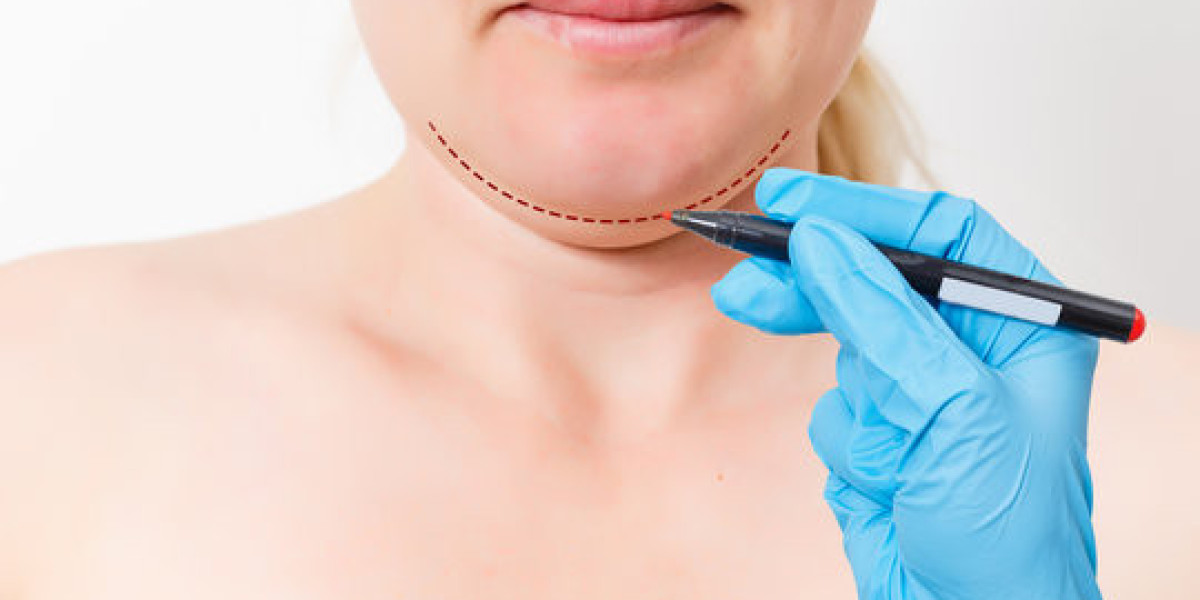

Chin Reduction in Jeddah: A Guide to Achieving Better Facial Harmony
The proportions of the face are influenced by the size and position of many individual features. Among them, the chin has an important role because it helps define the lower third of the face and contributes to the appearance of the jawline. When the chin is excessively prominent, long, or broad, it may create a facial profile that an individual feels is unbalanced. Chin Reduction in Jeddah can be considered by people who want to refine the dimensions and contour of their chin through surgical treatment.
A carefully planned chin reduction is not simply about removing excess bone. It involves evaluating the entire face and determining how much modification can improve proportions while maintaining a natural appearance. Individual anatomy and personal goals are therefore central to treatment planning.
Why the Chin Can Affect Facial Appearance
The chin is positioned at the front of the lower jaw, making it particularly noticeable from both frontal and side views.
Its projection influences the side profile, while its width and shape influence the appearance of the lower face from the front.
When these dimensions are larger than an individual prefers, the chin can visually dominate surrounding features.
What Is Chin Reduction Surgery?
Chin reduction is a surgical procedure intended to reduce or reshape the chin.
When the underlying bone contributes to the chin's prominence, surgical bone contouring or reduction may be considered. Reduction genioplasty is one technique that can be used for structural reshaping.
The procedure may focus on one or more dimensions, including:
Forward projection
Vertical height
Horizontal width
Overall contour
The appropriate approach depends on the individual's anatomy.
Reasons for Considering Chin Reduction in Jeddah
People exploring Chin Reduction in Jeddah may have a variety of concerns.
Some individuals may feel that their chin looks too strong in photographs or from the side. Others may feel that it makes their lower face appear too long or broad.
Common concerns include:
A prominent side profile
Excessive chin projection
Excessive chin length
Broad chin dimensions
Lower-face heaviness
Facial disproportion
Desire for a more refined appearance
The decision to undergo surgery should be personal and based on realistic goals.
Looking at the Entire Face
One of the most important aspects of treatment planning is evaluating the entire face.
The chin's appearance is influenced by the position of the nose, lips, jawline, cheeks, and other structures.
A feature that seems too prominent in isolation may appear more balanced when considered in relation to the rest of the face.
A complete facial assessment helps determine whether chin reduction is likely to provide the desired improvement.
Assessing Projection
Side-profile evaluation is useful for determining how far the chin extends forward.
If projection is excessive, reducing it may create a softer profile.
However, the chin should retain sufficient structure to maintain appropriate facial proportions.
Assessing Chin Length
Vertical height can also influence facial balance.
A long chin may make the lower third of the face appear elongated.
In selected cases, reducing vertical height may help create more balanced proportions.
Assessing Width
A broad chin may be particularly noticeable from the front.
If width is the main concern, carefully planned contouring may be considered.
The treatment should account for natural symmetry and the relationship between the chin and the rest of the lower face.
Consultation Before Chin Reduction
A detailed consultation is essential.
Patients should explain their specific concerns and desired outcome.
The professional may examine the face from multiple angles and use photographs or measurements for planning.
Medical history should also be reviewed, including medications, supplements, allergies, previous procedures, and relevant medical conditions.
Setting Appropriate Expectations
Patients should understand that cosmetic surgery has limitations.
The objective is generally to improve facial proportions rather than achieve absolute symmetry or perfection.
Natural facial asymmetry is common and may remain after treatment.
Patients should also understand that the final result takes time to develop.
Planning the Surgical Approach
The surgical approach depends on the characteristics being addressed.
A patient with excessive forward projection may require a different modification from someone with excessive vertical height.
If several characteristics contribute to the prominence, multiple adjustments may be considered during the same procedure.
The plan should be individualized rather than based on a standard amount of reduction.
How Chin Reduction Is Performed
The procedure begins with access to the chin structure through an appropriate surgical incision.
The selected portions of bone are carefully reshaped or reduced.
Important nerves near the chin must be protected during the procedure.
After achieving the planned contour, the tissues are repositioned and the incision is closed.
The anesthesia method depends on the procedure and individual circumstances.
Preparing for Chin Reduction in Jeddah
Preparation generally includes following specific instructions before surgery.
Patients should provide complete information about medications, supplements, allergies, previous surgeries, and relevant health conditions.
Instructions may concern eating and drinking, medication use, smoking, and other factors that could affect surgical safety or recovery.
Patients should also plan their recovery period and arrange appropriate assistance when needed.
Early Recovery
Swelling and bruising are common following chin surgery.
Some patients may also experience tenderness, tightness, or temporary numbness around the chin and lower lip.
Postoperative instructions may include recommendations for diet, oral hygiene, medication, activity restrictions, and follow-up.
Following these instructions is important for a smooth recovery.
Oral Hygiene During Healing
If the surgical incision is located inside the mouth, maintaining appropriate oral hygiene is particularly important.
Patients may receive instructions on how to clean the mouth while protecting the healing area.
Chewing may be uncomfortable initially, and softer foods may be recommended.
Patients should follow individualized dietary instructions.
Understanding Postoperative Swelling
Swelling can temporarily hide the improvement created by surgery.
The chin may initially look larger, fuller, or less defined than expected.
This appearance usually changes as healing progresses.
Patients should allow adequate time for swelling to decrease before evaluating the final contour.
When Results Become Visible
The result develops gradually.
As swelling decreases, the reshaped chin becomes increasingly visible. The surrounding soft tissues may require additional time to settle.
Follow-up appointments help assess healing and ensure that the recovery is progressing appropriately.
Potential Benefits
For suitable candidates, Chin Reduction in Jeddah may potentially provide:
Reduced forward projection
More balanced facial proportions
A softer side profile
Refined chin width
Reduced excessive height
Improved lower-face harmony
The outcome varies according to individual anatomy and the surgical plan.
Understanding Potential Risks
Patients should be aware that chin reduction carries surgical risks.
Potential complications include infection, bleeding, swelling, scarring, asymmetry, changes in sensation, dissatisfaction with the result, and anesthesia-related complications.
Sensory changes involving the chin or lower lip can occur because nerves are located close to the surgical area.
Patients should discuss these risks thoroughly before treatment.
Choosing a Provider
When researching Chin Reduction in Jeddah, patients should consider professional qualifications, experience with facial surgery, treatment approach, and postoperative care.
A detailed consultation should explain the proposed procedure and its expected benefits and limitations.
Patients should also consider the safety standards of the surgical facility and the quality of follow-up care.
Creating a Natural Result
The ideal result is generally one that looks balanced rather than noticeably altered.
An excessive reduction may make the lower face appear weak, while insufficient modification may leave the original concern unresolved.
Careful planning helps establish an appropriate degree of correction.
Long-Term Results
The structural changes created through chin reduction are intended to be long-lasting.
After the bone heals, the modified contour generally remains.
However, normal aging continues. Changes in skin elasticity, facial volume, and body weight may affect the appearance of the chin and jawline over time.
Conclusion
Chin Reduction in Jeddah can be a suitable surgical option for individuals who are concerned about excessive chin projection, length, width, or overall prominence. Carefully planned reshaping may help improve facial proportions and create a softer, more harmonious profile.
Before choosing surgery, patients should undergo a comprehensive consultation and understand the proposed technique, preparation requirements, recovery process, potential risks, and realistic outcomes.
The objective should not simply be a smaller chin. The best treatment aims to create a chin that naturally complements the nose, lips, jawline, and other facial features while preserving the individual's overall facial character.












