
Breast Augmentation in Jeddah: Understanding the Patient Journey From Consultation to Recovery
Breast augmentation in Jeddah can be an option for women who want to increase breast volume, restore fullness, or improve the balance of their body proportions. While the procedure is commonly associated with breast implants, the overall process includes several stages that should be understood before making a decision.
From the initial consultation to long-term follow-up, every stage contributes to the patient's experience and outcome. Careful preparation, appropriate implant selection, realistic expectations, and proper postoperative care are all important considerations.
Beginning With a Consultation
The breast augmentation journey usually begins with a consultation.
During this appointment, the surgeon discusses the patient's goals and evaluates the breasts and chest.
Measurements may be taken to assess breast width, tissue thickness, and overall proportions. The surgeon may also examine skin elasticity, nipple position, and existing asymmetry.
This assessment helps determine which surgical techniques and implant dimensions may be appropriate.
Discussing Desired Results
Patients should explain what they want to change about their breasts.
Some women prefer a subtle increase in volume, while others want more noticeable fullness.
Words such as "natural," "full," or "enhanced" can mean different things to different people, so visual examples may sometimes help communicate preferences.
The surgeon can then explain which aspects may realistically be achieved.
Evaluating Medical History
Medical history is an important part of surgical planning.
Patients should provide information about previous operations, medications, allergies, and relevant medical conditions.
Previous breast surgery should also be disclosed because it can influence the surgical approach.
Complete information helps the medical team plan appropriately.
Choosing Implant Material
One of the major decisions involves implant filling material.
Silicone gel and saline are two commonly used options.
Silicone implants contain cohesive gel, while saline implants contain sterile saline solution.
Both have specific characteristics, and the appropriate choice depends on individual circumstances.
Choosing Implant Size
Patients often have a particular size in mind, but implant selection should not be based solely on cup size.
Cup sizes are not standardized and do not accurately describe implant dimensions.
The surgeon considers breast width, chest structure, tissue coverage, and desired projection.
A balanced implant may provide better proportions than simply choosing the largest possible option.
Understanding Implant Shape
Implants may be round or anatomically shaped.
Round implants can create more upper-breast fullness.
Anatomical implants have a contoured shape and distribute volume differently.
The surgeon considers the patient's anatomy and aesthetic goals when discussing these options.
Considering Implant Profile
Implant profile describes forward projection.
Higher-profile implants generally provide greater projection from the chest.
Lower or moderate profiles distribute volume differently.
The appropriate profile depends on chest dimensions and the patient's desired appearance.
Choosing Implant Placement
Implant placement may be above the chest muscle, below it, or through a dual-plane approach.
The decision depends on natural breast tissue, skin characteristics, implant choice, and desired appearance.
Additional tissue coverage can be useful for certain patients.
Selecting the Incision Location
The incision can be placed in different areas.
An inframammary incision is made beneath the breast.
A periareolar incision is placed around the areola.
A transaxillary incision is made through the armpit.
Each method has advantages and limitations, and the choice should be individualized.
Preparing for Surgery
Before surgery, patients receive preparation instructions.
These may include information about medications, supplements, eating and drinking, smoking, and other factors.
Patients should follow these instructions carefully.
Arranging transportation and support at home can also make recovery easier.
The Surgical Procedure
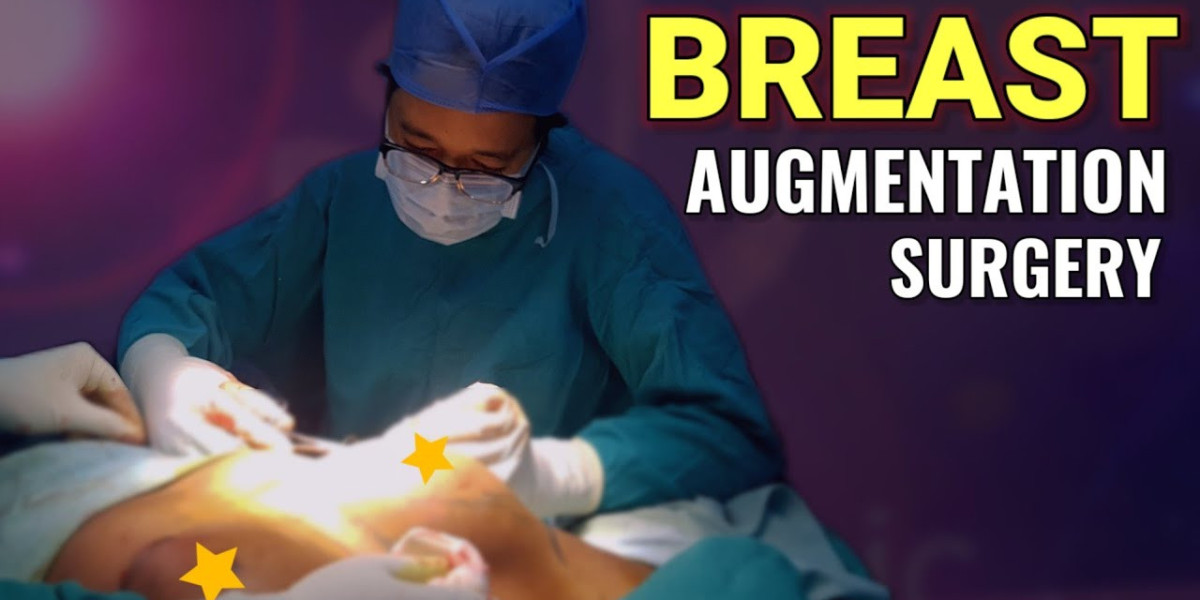
Breast augmentation is generally performed under anesthesia.
The surgeon creates the selected incision and develops an appropriate pocket.
The implant is inserted and positioned according to the surgical plan.
The incision is then closed.
The patient is monitored afterward while recovering from anesthesia.
The First Stage of Recovery
Swelling, bruising, soreness, and tightness are common during early recovery.
The breasts may appear higher than expected.
Patients should remember that the early appearance does not represent the final result.
As swelling decreases and tissues settle, breast shape gradually changes.
Managing Pain and Discomfort
Pain levels vary between patients.
Medication may be recommended to control discomfort.
Rest and avoiding unnecessary physical strain can support recovery.
Patients should follow their medical team's medication instructions carefully.
Returning to Daily Activities
Daily activities should be resumed gradually.
Light movement may be encouraged, while heavy lifting and strenuous activity are generally restricted during early recovery.
The timing depends on individual healing and the surgical technique used.
Returning to Work
Patients with sedentary jobs may return to work earlier than those with physically demanding occupations.
Work involving lifting, repetitive arm movements, or strenuous activity may require additional recovery time.
The surgeon should provide individualized guidance.
Resuming Exercise
Exercise should be restarted gradually after medical clearance.
Walking may be suitable during early recovery.
Upper-body workouts, heavy lifting, and high-impact exercise usually require more time.
Patients should not use someone else's recovery timeline as their own because healing differs between individuals.
Caring for Incisions
Incisions require appropriate care during healing.
Patients should follow instructions regarding dressings, bathing, cleaning, and scar management.
The surgical areas should be monitored for unusual redness, drainage, swelling, or increasing discomfort.
Any concerning changes should be discussed with the medical team.
Understanding Scarring
Scarring is an expected part of breast augmentation.
The final appearance of scars depends on incision location, skin characteristics, genetics, and healing.
Scars usually change gradually over time.
Professional guidance can help patients understand appropriate scar-care options.
Temporary Changes in Sensation
Changes in breast or nipple sensation may occur after surgery.
Sensitivity can increase or decrease temporarily.
Nerves may require time to recover.
Patients should understand that while sensation often improves, permanent changes are possible.
Recognizing Possible Complications
Breast augmentation carries potential risks.
These include infection, bleeding, implant displacement, asymmetry, scarring, changes in sensation, rupture, and capsular contracture.
Patients should receive clear information about these risks before consenting to surgery.
Capsular Contracture
Capsular contracture occurs when the scar tissue surrounding an implant becomes unusually firm or tight.
It can change breast shape and may cause discomfort.
Patients who notice increasing firmness or changes in breast appearance should seek medical evaluation.
Implant Rupture and Other Changes
Implants can develop complications over time.
The signs of a problem may vary depending on the implant type.
Changes in breast shape, firmness, size, or sensation should be assessed by a qualified medical professional.
Long-Term Breast Health
Breast augmentation does not replace routine breast health care.
Patients should continue age-appropriate breast screening and inform healthcare providers about their implants.
Medical professionals may use appropriate imaging methods when evaluating augmented breasts.
Pregnancy After Augmentation
Future pregnancy can change breast tissue and skin.
Although augmentation does not generally prevent pregnancy, pregnancy may alter the cosmetic result.
Women considering future pregnancies should discuss timing and expectations before surgery.
Weight Changes
Major changes in body weight can influence the appearance of augmented breasts.
Significant weight loss may reduce natural breast tissue, while weight gain can increase breast volume.
Maintaining a stable weight may help preserve overall proportions.
The Importance of Follow-Up
Postoperative follow-up allows the surgical team to monitor healing and implant position.
Patients should attend scheduled appointments even if recovery appears normal.
Follow-up also provides an opportunity to discuss concerns and ask questions as the breasts settle.
Long-Term Implant Considerations
Breast implants are not guaranteed to last for a lifetime.
Some patients may eventually need revision, replacement, or removal.
Possible reasons include complications, implant rupture, aging, pregnancy, or personal preference.
Understanding this responsibility is important before surgery.
Making an Informed Decision
Breast augmentation is an elective procedure, so patients should have adequate time to consider the decision.
A thorough consultation should cover benefits, limitations, risks, implant options, recovery, and long-term care.
Patients should avoid making decisions solely on the basis of social media trends or other people's results.
Conclusion
Breast augmentation in Jeddah involves a complete patient journey that begins with consultation and continues through recovery and long-term care.
Choosing the right implant and surgical technique requires consideration of anatomy, tissue quality, desired appearance, and lifestyle.
Patients can improve their preparation by understanding the recovery process, following postoperative instructions, and attending recommended follow-up appointments.
Most importantly, breast augmentation should be approached with realistic expectations and careful medical planning. A qualified plastic surgeon can help patients understand the available options and develop an individualized approach suited to their body and personal goals.