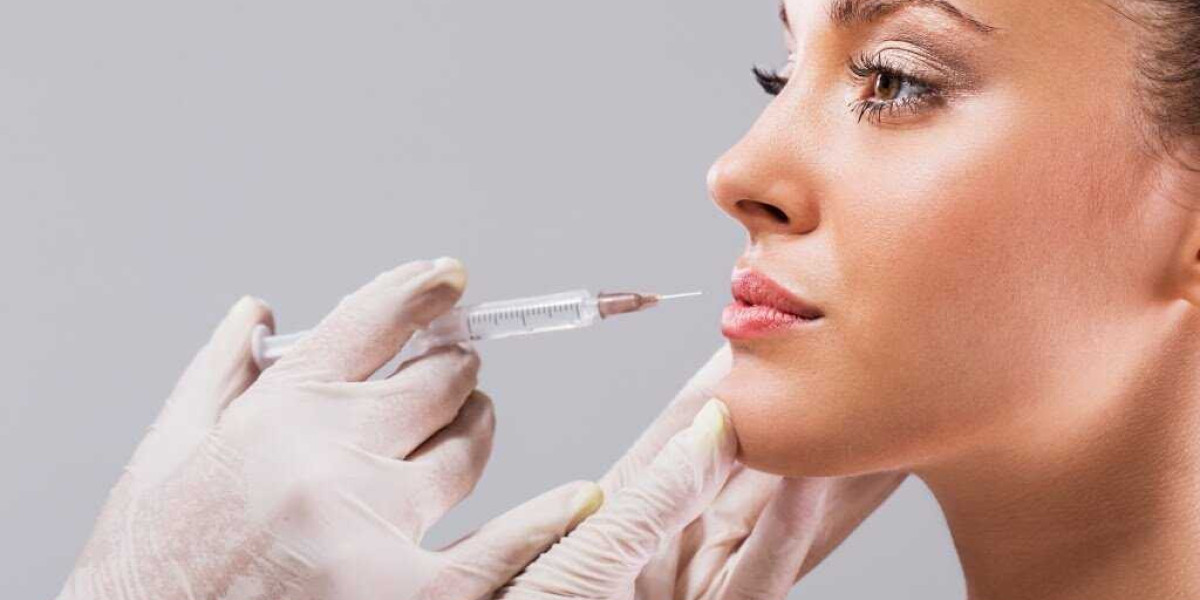

Introduction to the Micro-Architecture of Aesthetic Medicine
The capital city of Saudi Arabia has rapidly evolved into a leading global hub for advanced aesthetic dermatology. In a culture that places a high value on personal presentation, wellness, and graceful aging, facial dermal fillers have become one of the most widely requested non-surgical treatments. While most people are familiar with the visible outcomes—such as smoother folds, fuller lips, and lifted cheekbones—fewer understand the intricate biological and physical processes that occur beneath the surface of the skin.
Discover the benefits, treatment options, and results you can expect from Dermal fillers in Riyadh.
Exploring how dermal fillers actually behave at a cellular and tissue level reveals a sophisticated blend of medical science, fluid dynamics, and anatomical engineering.
The Biological Foundation: Hyaluronic Acid and Skin Composition
To comprehend how fillers work beneath the skin, it is essential to look at the natural components they mimic. The vast majority of modern dermal fillers are composed of hyaluronic acid (HA). Hyaluronic acid is a naturally occurring polysaccharide—a type of sugar molecule—found abundantly throughout the human body in the skin, joints, and connective tissues.
Its primary biological superpower is its extraordinary capacity to attract and bind water molecules—up to a thousand times its own molecular weight. In youth, abundant stores of natural hyaluronic acid, collagen, and elastin keep skin plump, hydrated, and resilient. However, as individuals age or experience structural shifts, these natural reserves deplete. Dermal fillers replace this lost foundational matrix, restoring internal hydration and volume from the inside out.
The Cross-Linking Process: Engineering Stability
Raw, uncross-linked hyaluronic acid injected directly beneath the skin would break down and metabolize within a matter of hours, absorbed entirely by the body's natural enzymes. To prevent this, manufacturers utilize advanced chemical processes known as cross-linking.
During manufacturing, chemical agents (such as BDDE) link the individual hyaluronic acid chains together into a three-dimensional mesh network. This transformation turns a fluid liquid into a cohesive, gelatinous gel. The density of this cross-linking determines the physical properties of the filler:
Low Cross-Linking (Soft Gels): Highly flexible and fluid, designed for superficial placement in delicate areas like the lips or fine surface lines.
High Cross-Linking (Robust Gels): Firm and cohesive with high G-prime (resistance to deformation), engineered for deep-tissue placement to lift cheeks, project chins, and structure jawlines.
Tissue Integration: What Happens Upon Injection
When a trained medical professional introduces the filler beneath the skin via a fine needle or a blunt-tip micro-cannula, a series of precise physical interactions takes place within the tissue layers.
1. Placement in Strategic Tissue Planes
Advanced injectors do not simply deposit product randomly. They place the gel at specific anatomical depths depending on the desired outcome:
Supraperiosteal Plane: Deposited directly against the surface of the bone, this deep placement is used for structural support in areas like the cheeks and chin, mimicking a natural bony scaffold.
Subcutaneous Plane: Placed within the deeper fat compartments to restore lost volume and push sagging soft tissues upward.
Dermal Plane: Used more superficially to smooth out fine lines and surface depressions.
2. Immediate Volumization and Hydrophilic Action
The moment the gel is released into the tissue, it provides immediate mechanical volume, pushing the overlying skin outward to fill hollows or smooth creases. Simultaneously, the hydrophilic (water-loving) nature of hyaluronic acid begins to draw surrounding interstitial fluid into the gel matrix. This integration allows the filler to soften slightly and blend seamlessly with the surrounding tissue over the first forty-eight to seventy-two hours.
Long-Term Cellular Interactions and Collagen Stimulation
Once integrated into the tissue, the filler does not remain entirely static. Over time, several biological processes occur:
Biocompatibility and Cellular Acceptance: Because high-grade hyaluronic acid is virtually identical to the body's natural molecules, it rarely triggers an aggressive immune response. Fibroblasts—the skin cells responsible for producing collagen—surround the gel matrix.
Mild Neocollagenogenesis: Clinical observations and histological studies show that the physical stretching and tension placed on fibroblasts by the integrated filler can stimulate a mild, localized production of natural collagen. This means that even as the hyaluronic acid slowly breaks down over months, it leaves behind a subtle structural benefit.
Enzymatic Breakdown: Naturally occurring enzymes in the body called hyaluronidases slowly degrade the cross-linked bonds over time. The body metabolizes the breakdown products safely and naturally through standard metabolic pathways, which is why treatments are temporary and require routine maintenance.
Conclusion
Dermal fillers are far more than simple cosmetic surface fixes; they are sophisticated biomaterials that interact dynamically with human anatomy. By replacing depleted hyaluronic acid, engineering structural stability through cross-linking, and integrating harmoniously into deep tissue planes, modern fillers restore youth, balance, and natural contouring at a cellular level.